The Power of Intentional Rest: Why active recovery matters as much as the hustle.

We live in a culture that glorifies the relentless hustle. From early-morning alarm flexes to “rise-and-grind” productivity hacks, we are constantly encouraged to do more, achieve faster, and keep moving. But in our quest to optimize output, we often ignore a foundational truth: sustained performance is impossible without intentional recovery.
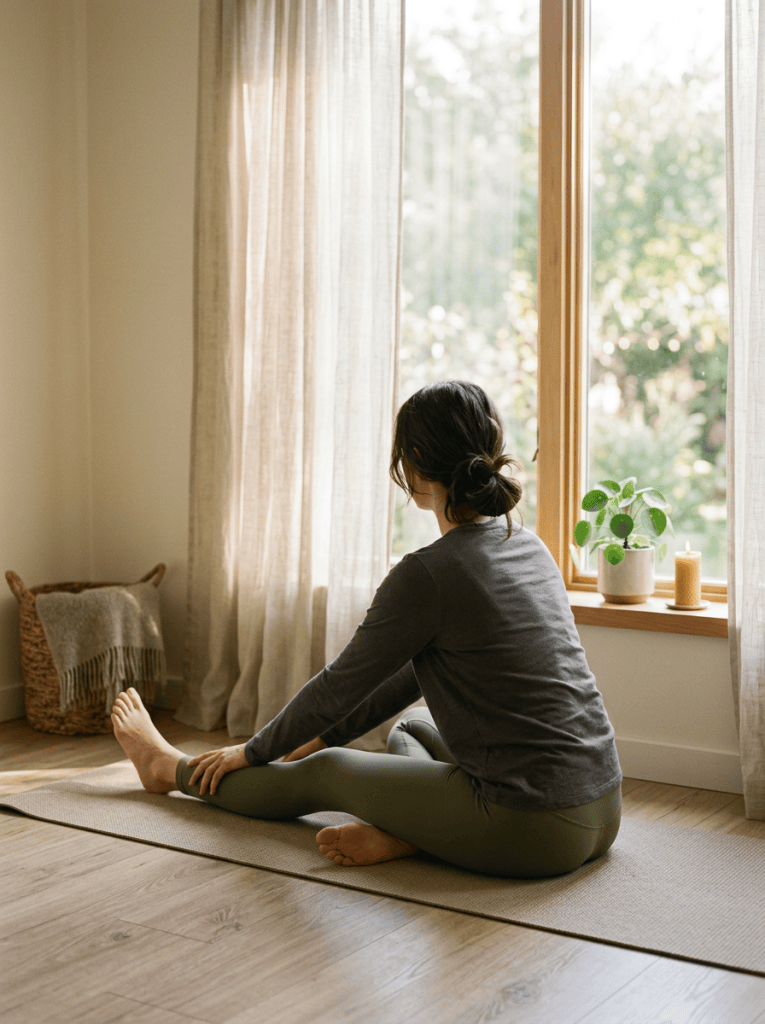
Woman stretching on a yoga mat beside a sunlit window
A woman stretches on a yoga mat in the warm morning light beside a sunny window.

Rest is not a penalty, a sign of weakness, or something you earn only after burning out. When designed with intention, rest is a strategic accelerator—the precise mechanism that fuels creative breakthroughs, physical resilience, and sharp decision-making.

1. Passive Rest vs. Active Recovery

When most people think of rest, they envision passive recovery: collapsing on the couch, scrolling through social media, or sleeping in on weekends. While sleep and downtime are non-negotiable, passive rest alone doesn’t always recharge your system—especially if your mind is still racing with tasks, deadlines, and notifications.

Active recovery—a concept borrowed from athletic training—is about engaging in intentional, low-intensity activities that actively promote mental, physical, and emotional restoration.

Passive RestActive Recovery
Unconscious or disengaged downtimePurposeful, low-effort engagement
Scrolling social media, watching TVGentle movement, spending time in nature, creative play
Numbing fatigue temporarilyActively lowering cortisol and restoring balance

Active recovery helps flush stress out of your body, improves circulation, and gives your brain space to process ideas in the background.

2. Why Your Brain Needs “Unfocus” Time

Neuroscience shows that when you are deeply focused on a task, your brain relies on the Executive Control Network. But when you step away and allow your mind to wander during low-demand tasks—like taking a walk, taking a shower, or gardening—the brain activates its Default Mode Network (DMN).

The DMN is where the magic happens:

  • Problem Solving: It connects seemingly unrelated ideas, leading to “eureka” moments.
  • Memory Consolidation: It digests complex information gathered throughout the day.
  • Self-Reflection: It helps clarify your long-term values, priorities, and goals.

If you keep your brain constantly stimulated with work or screen time, you rob it of the chance to activate the DMN and consolidate learning.

3. The 4 Dimensions of Intentional Rest

To build an active recovery routine that actually works, consider incorporating rest across four key dimensions:

  1. Physical Rest: Moving gentle body parts through yoga, mobility stretches, light walks, or conscious breathwork.
  2. Mental Rest: Micro-breaks throughout the workday (e.g., the 50/10 rule: 50 minutes of focus, 10 minutes away from screens).
  3. Sensory Rest: Intentionally lowering environmental noise, turning off notifications, and stepping into quiet, natural light.
  4. Emotional Rest: Setting clear boundaries, saying “no” to non-essential commitments, and having spaces where you don’t have to perform or manage expectations.

4. How to Integrate Active Recovery Into Your Daily Routine

You don’t need a 3-day weekend or a retreat to start practicing active recovery. Start with micro-habits:

  • Schedule “White Space”: Treat rest with the same respect as a high-stakes business meeting. Block out 15–30 minutes daily marked simply as open time.
  • Disconnect movement from performance: Go for a 20-minute walk without tracking your pace, listening to a work podcast, or measuring metrics. Let it just be a walk.
  • Create a clear shut-down ritual: Signal to your brain that the “hustle” phase of the day is over—close your tabs, write down tomorrow’s top priorities, and step away from your workspace.

The Bottom Line

Hustle without rest isn’t dedication; it’s a slow burn toward exhaustion. High performers in athletics, business, and creative fields understand that recovery isn’t the opposite of work—it’s half of the equation.

By trading passive distraction for intentional, active rest, you give yourself the clarity, energy, and longevity to do your best work for years to come.

The Seven Pillars of Self-Care: Finding Alignment in the Chaos

Does self-care ever feel like just another demanding item on your endless to-do list?

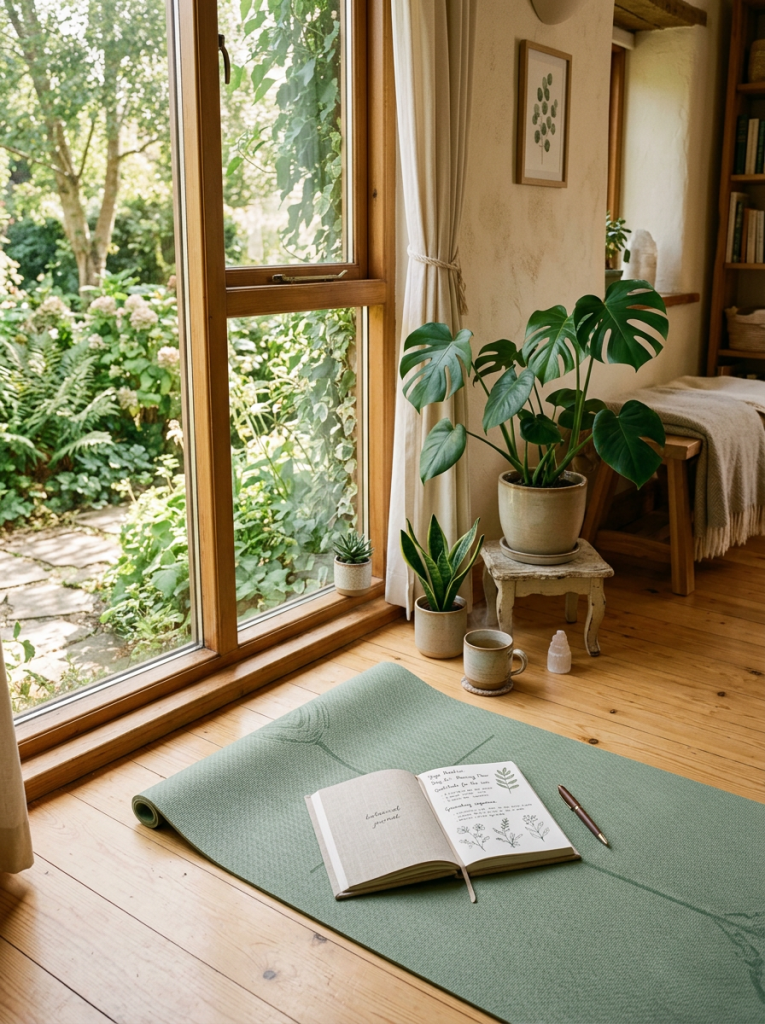
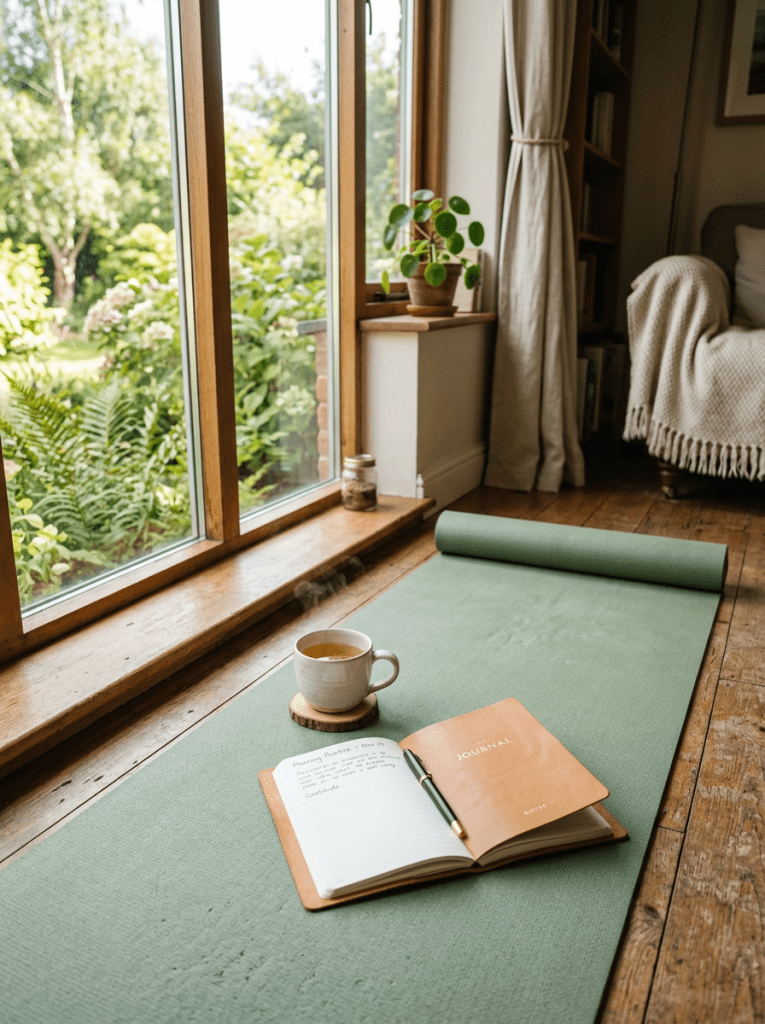
Open journal with pen and steaming cup of tea on green yoga mat next to large window
A journal and cup of tea rest on a yoga mat by a sunny window overlooking a garden.

Maybe you know you are running on empty and desperately need a reset, but the sheer volume of wellness advice out there leaves you feeling overwhelmed. When every influencer is telling you to adopt a 10-step morning routine, it’s easy to freeze, do nothing, and remain stuck in burnout.

True self-care shouldn’t be stressful. It is about understanding what your body, mind, and nervous system actually need in the present moment.

To simplify your approach, try looking at wellness through the lens of The Seven Pillars of Self-Care. By breaking it down, you can accurately diagnose where you are feeling depleted instead of trying to overhaul your entire life at once.

The Seven Pillars of Self-Care

Winding river through mountain valley with tree, flowers, and snow-capped peaks at sunset
A serene mountain valley with a winding river glows under a colorful sunset.

1. Mental: Cultivate a clean, resilient mindset through daily mindfulness, continuous learning, and curiosity. It’s about how you talk to yourself when no one else is listening.

2. Emotional: Honor your feelings and protect your inner peace with healthy coping strategies, journaling, and the space to process life’s challenges without judgment.

3. Physical: Nourish your biology. This means supporting cellular energy, prioritizing high-quality sleep, maintaining optimal hydration, and moving your body with intention—whether that’s a heavy gym session or a restorative walk.

4. Environmental: Optimize the spaces and places around you. Your physical surroundings directly impact your nervous system; a calm, decluttered workspace or home creates a calm mind.

5. Spiritual: Engage in practices that anchor you and offer a deeper sense of meaning, alignment, and connection to something larger than yourself.

6. Recreational: Make unnegotiable time for pure play, hobbies, and new experiences. Step away from the “productivity mindset” and do something simply because it brings you joy.

7. Social: Build a supportive community. Cultivate deep, meaningful relationships while maintaining the beautiful, necessary boundaries that protect your time and energy.

Shift from Perfect Balance to Present Awareness

Looking at this list, it’s easy to think you need to achieve a flawless, 50/50 balance across all seven areas simultaneously. Let’s release that pressure right now. Perfection is a myth.

Wellness ebbs and flows with the seasons of your life. Instead of trying to do everything at once, choose one single area to focus on this week, or even this month. When your nervous system feels stable and integrated in that category, you can gently expand your focus to another.

The secret is simply noticing which one or two areas are currently shouting for your attention. When we ignore a specific pillar for too long, it begins to drag the other areas down with it.

Prioritize Your Vitality, Especially in the Rush

Taking care of your unique biology and peace of mind is the ultimate foundation for your overall health. Be incredibly intentional about anchoring yourself—especially during the crazy, busy times. That is exactly when your cells and your soul need it the most.

Take one mindful step today. You are entirely worth the investment.

Which pillar is calling your name right now? Which one will you be intentionally nurturing this week? Let’s connect and support each other in the comments below!

#SelfCare #WellnessJourney #MentalHealth #NervousSystemRegulation #HolisticHealth #Mindfulness #PhysicalWellness #IntentionalLiving

The Mid-Year Reset: How to Recalibrate Your Wellness Goals Without the Pressure

We’ve officially crossed the threshold into the midpoint of the year. Take a deep breath and let that sink in.

Winding mountain trail with sunrise above foggy valley and snow-capped peaks
A winding mountain path leads toward a sunrise above fog-filled valleys

Back in January, many of us set big, ambitious goals. We made promises about our fitness routines, our nutrition, and our daily habits. But life happens. Routines shift, schedules get chaotic, and sometimes the rigid goals we set in the dead of winter simply don’t align with the reality of our lives today.

Typically, a mid-year check-in can trigger a sense of guilt or pressure to “catch up.” But what if we abandoned the intense, rigid “New Year, New You” mentality entirely?

Instead of pushing harder, mid-year is the perfect time for a gentle, mindful recalibration. It’s an opportunity to assess how your body and mind actually feel right now, and to adjust your sails accordingly. Here is how to hit the reset button with grace, intuition, and kindness toward yourself.

Step 1: Check In with Your Nervous System First

Before you open your planner, look at your calendar, or write down a single new goal, you need to check in with your internal state. True wellness cannot be built on a foundation of chronic stress or exhaustion. If your nervous system is dysregulated—meaning you are living in a constant state of fight-or-flight, anxiety, or burnout—adding a demanding new fitness or wellness goal will only act as another stressor.

Before you redefine what success looks like for the next six months, ask your body a few questions:

  • How is my energy when I wake up?
  • Am I holding tension in my jaw, shoulders, or gut?
  • What does my mind need most right now—more stimulation, or more stillness?

By grounding yourself first, you ensure that your goals come from a place of deep self-care and cellular preservation, rather than a place of perceived inadequacy.

Step 2: Give Yourself Permission to Pivot

Consistency is the holy grail of health, but consistency doesn’t mean rigidity. There is a profound difference between quitting on yourself and making a conscious, mindful pivot.

Take a look at the routines you’ve been trying to force yourself into over the last few months. If your current gym routine leaves you feeling completely drained instead of energized, or if a strict nutrition plan is creating mental fatigue, it’s not a failure—it’s feedback.

Give yourself permission to pivot. If high-intensity workouts aren’t serving your body right now, swap them for consistent boxing classes that let you release stress, or focused strength training sessions coupled with restorative movement. If your daily schedule has transformed, shift your focus to “micro-dosing” your wellness—five minutes of breathwork here, a short walk there. Your wellness routines should support your life, not complicate it.

Step 3: Clear the Mental Clutter (A 5-Minute Exercise)

Sunlit indoor corner with potted plants, an open journal, a pen, a mug, and a green yoga mat on a wooden floor
A cozy sunlit corner with plants, a journal, and a yoga mat by a large window

To step into the second half of the year with clarity, we need to empty our mental cups. When we carry the weight of unmet expectations or outdated goals, we leave no room for new growth.

Try this quick, 5-minute mindfulness exercise today to clear the clutter and reset your focus:

  • Minute 1-2: Ground and Breathe. Sit comfortably with your feet flat on the floor and close your eyes. Place one hand on your heart and one on your belly. Take three deep, slow inhalations through the nose, expanding your belly, and let them out through the mouth with a sigh. Let your shoulders drop.
  • Minute 3: The Witness. Bring to mind the goals or expectations you’ve been carrying that feel heavy. Witness them without judgment. Acknowledge the effort you’ve made so far this year.
  • Minute 4: The Release. As you exhale, mentally release the pressure to be anywhere further along than you are right now. Silently say to yourself: “I release what is no longer serving my health, and I welcome what brings me balance today.”
  • Minute 5: Setting the Intention. Open your eyes. On a blank piece of paper, write down just one feeling you want to cultivate over the next six months (e.g., Peace, Strength, Vitality, Clarity). Let that single feeling dictate your daily habits moving forward.

Moving Forward with Intention

Abstract painting with swirling patterns of blue, brown, and white creating a vortex effect
A vibrant abstract painting of swirling blue and brown hues forming a dynamic vortex

Mountains are moved one small, consistent step at a time. As we navigate the rest of this year, remember that taking care of yourself is a continuous journey of listening, adapting, and trusting the process. Be kind to your body, protect your peace, and move at a pace that honors your health from the inside out.

How does your body feel as we cross into the second half of the year? What is one routine you are giving yourself permission to pivot on today? Let’s connect and support each other in the comments below.

#MidYearReset #Mindfulness #NervousSystemRegulation #HolisticHealth #SelfCare #GoalSetting #PersonalGrowth

A Gentle Reminder for Your Feed

✨ A Gentle Reminder for Your Feed ✨

​Lately, I’ve been thinking a lot about the “hustle.” We’re told to keep running, keep climbing, and keep chasing that next dollar—but at what cost? 

​At the end of the day, your quality of life isn’t measured by your bank balance or how many items you crossed off a stressful to-do list. It’s measured by the laughs you shared, the peace you felt in your living room, and the love you gave (and received). ❤️

​Let’s be real:

  • Money is a tool, not the destination.
  • Stress is a thief. Don’t let it steal your “now” by worrying about things you can’t control.
  • Happiness is a choice to prioritize your mental health over the grind.

Life is too short to spend it stressed out and burnt out. Surround yourself with people who make your heart full, breathe through the chaos, and remember that you are more than your productivity. ✨

​Let’s Chat!

​What is one small thing that brought you pure joy today? (For me, it was that first sip of coffee in the quiet! ☕️)

​#QualityOfLife #ChooseHappiness #MentalHealthMatters #Priorities #LiveSimple #Gratitude #LoveOverEverything

Unlock 50% Off Gaia’s Holiday Special

Gaia’s Holiday Special is here ✨

For a limited time, explore Gaia’s conscious library — films, original series, courses, yoga, meditation, and more — for 50% off 12 months of Gaia.

Plus, enjoy exclusive holiday bonus content designed to support reflection, calm, and renewal during this meaningful time of year.

Discover what’s possible when you pause, reconnect, and open yourself to inspiration.

👉 Begin your journey today