Navigating Big Transitions: Supporting loved ones (and yourself) through major life milestones.

Major life milestones—whether welcoming a new child, stepping into retirement, navigating a career pivot, relocating across the country, or coping with a significant loss—rarely feel like smooth, linear progressions. Even joyful transitions carry a quiet weight of adjustment, uncertainty, and grief for the chapter ending.

Two people sitting together on a sofa, one comforting the other
Two people share a quiet moment together in a warm, plant-filled living room.

Navigating these shifts requires balancing emotional presence for the people you care about with radical self-compassion for your own journey.

1. How to Support Loved Ones Through Major Milestones

When someone close to you is going through a massive life shift, standard well-wishing often falls short. Supporting them effectively means offering grounded, practical empathy rather than hollow platitudes.

  • Validate the mixed emotions: Major shifts are seldom 100% positive or 100% negative. A newly promoted friend might feel thrilled yet terrified; a retiree might feel relief alongside a loss of identity. Resist the urge to fix their anxiety with toxic positivity. Instead of saying, “Everything happens for a reason!” try, “It makes total sense that you’re feeling overwhelmed right now. I’m here with you.”
  • Shift from open-ended offers to specific actions: Asking “Let me know if you need anything” places the burden of logistics back on the person in transition. Replace generic offers with concrete, low-friction support:
    • “I’m dropping off dinner on Thursday around 6 PM—are there any dietary restrictions?”
    • “I have two hours open on Saturday morning. Can I come walk the dog or run errands for you?”
  • Protect their decision-making bandwidth: High-stress transitions trigger decision fatigue. Keep communications simple, direct, and free of unnecessary pressure. If you are offering help, frame it so they can give a simple yes or no.
  • Check in long after the main event: Support naturally floods in during the week of the wedding, birth, move, or funeral, but it tends to fade quickly. Set calendar reminders to check in weeks and months later, when the quiet reality of the transition fully sets in.
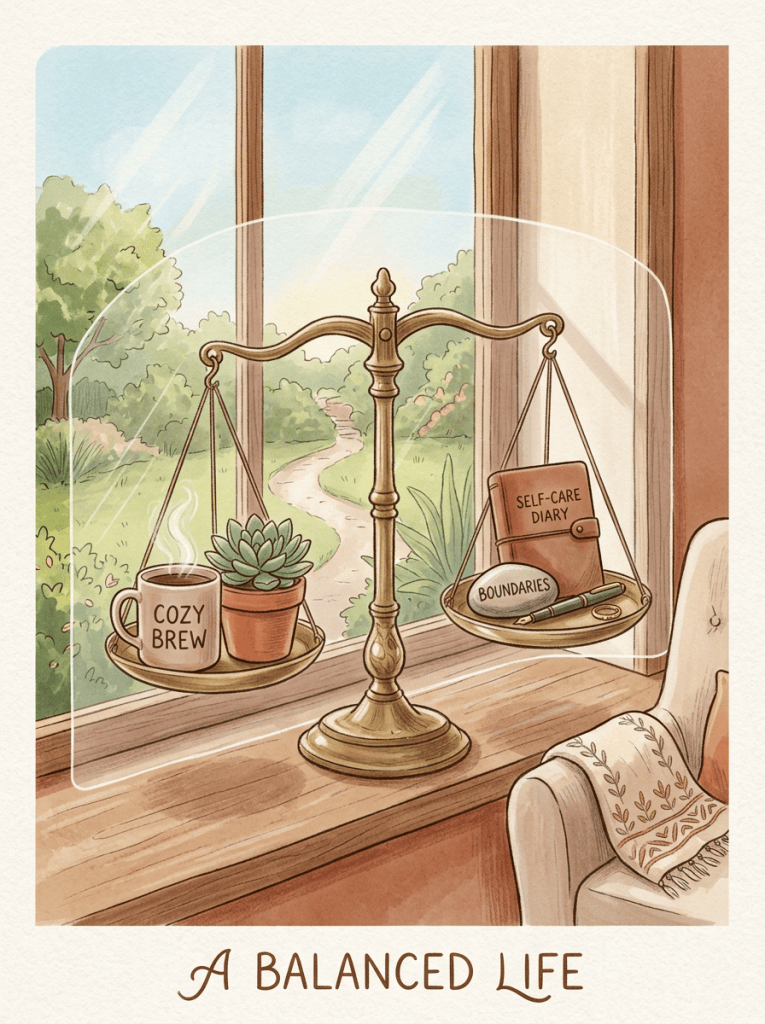
Balance scale with coffee, succulent, self-care diary, boundaries, and text “A BALANCED LIFE”
A cozy balance-themed vignette pairs coffee, reflection, and personal boundaries by a sunny window.

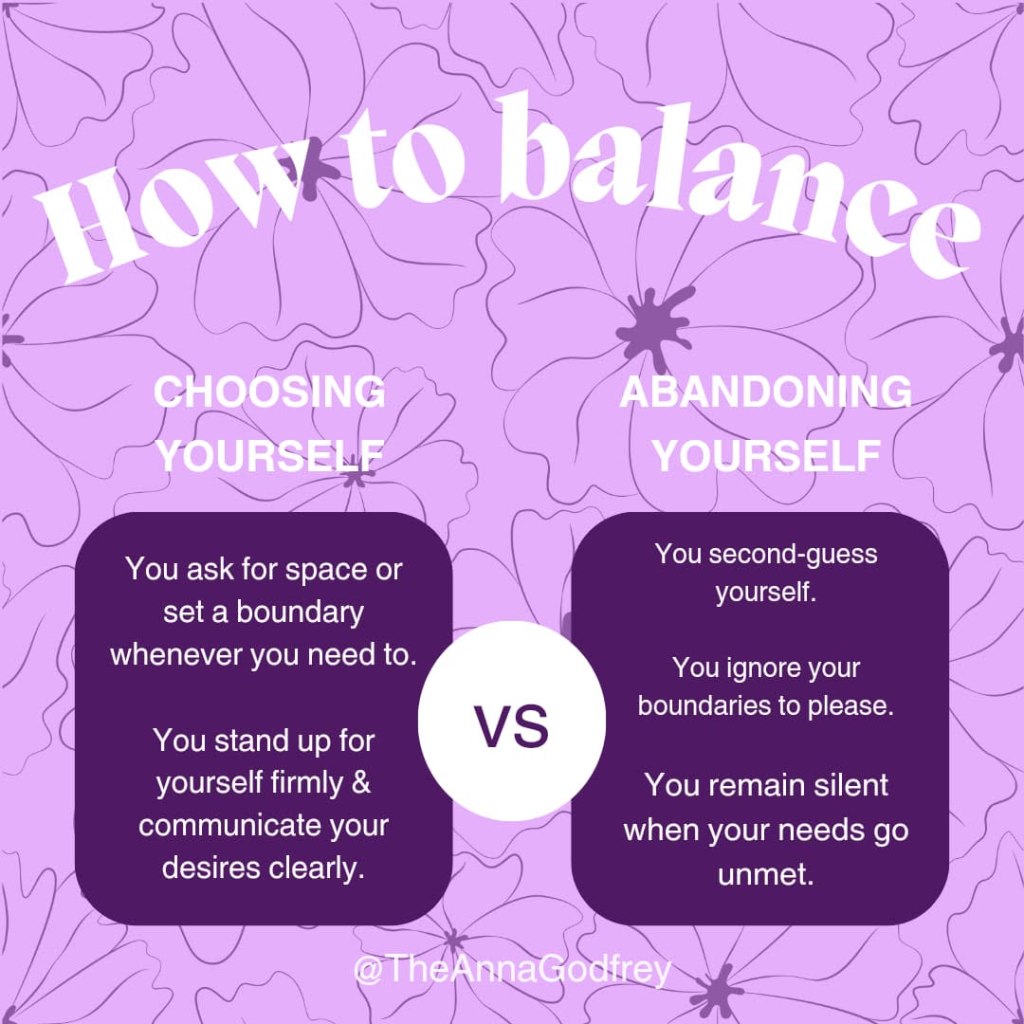
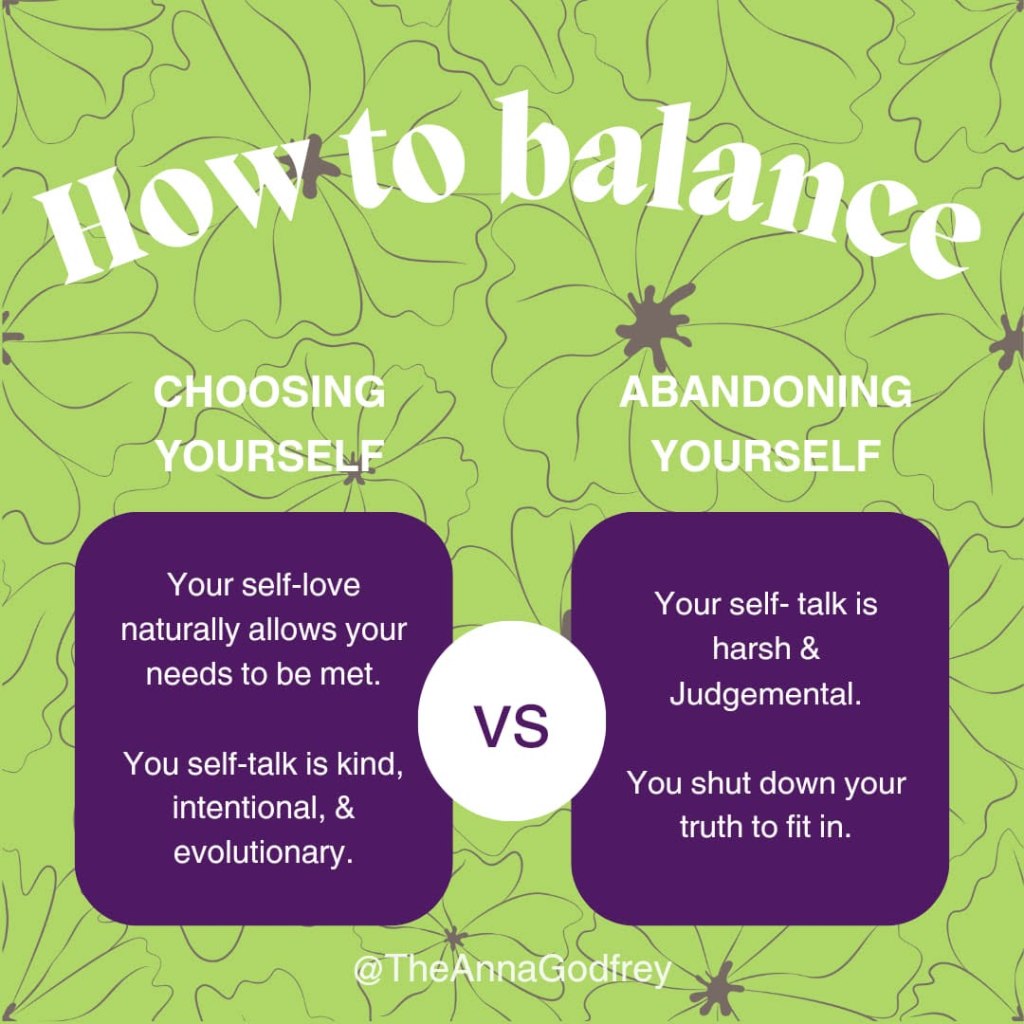
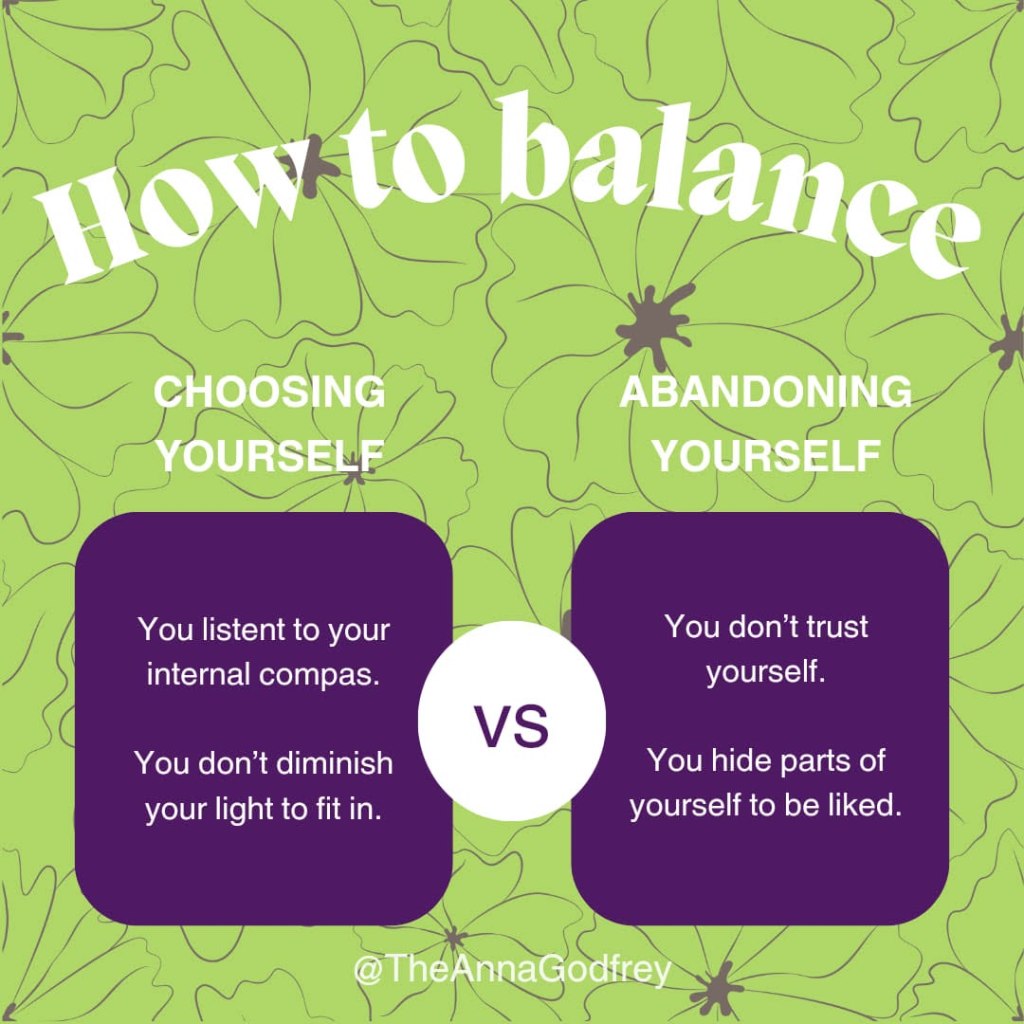
2. Supporting Yourself in Times of Change

It is impossible to offer stable support to others if your own foundation is buckling. When you are the one experiencing the shift—or carrying the emotional load of a loved one’s change—your primary job is self-anchoring.

  • Maintain non-negotiable micro-routines: When your entire world feels rearranged, tiny habits preserve a sense of agency. Keep two or three simple daily anchors unchanged: drinking your morning coffee in quiet, a 10-minute evening walk, or reading before bed.
  • Acknowledge the invisible grief: Every milestone involves leaving something behind. Acknowledging that a piece of your old lifestyle, identity, or routine is gone is not ungrateful; it is essential for processing change healthily.
  • Set firm relational boundaries: You do not have to be available to everyone at all times during a crisis or transition. It is completely acceptable to step back from non-essential social obligations or defer major secondary decisions until the immediate dust settles.
  • Practice lower-variance self-care: Swap grand self-care gestures (like elaborate vacations or spending sprees) for consistent, low-effort nourishment: proper sleep hygiene, basic hydration, and honest conversations with a trusted friend or therapist.
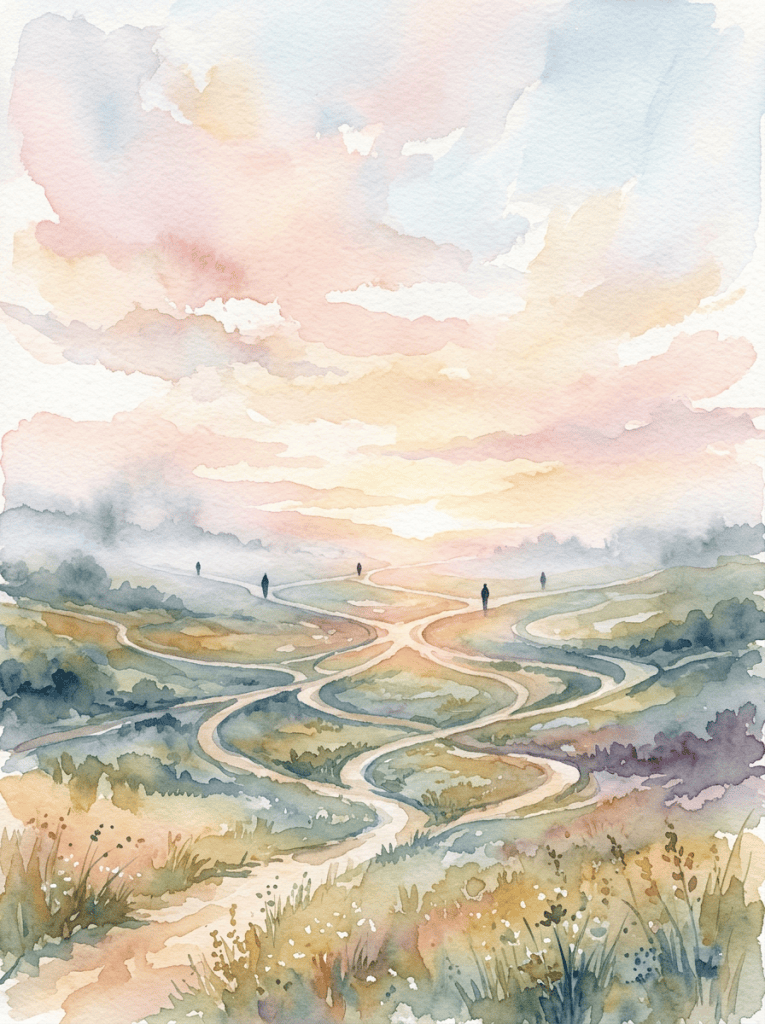
Watercolor landscape with winding paths, wildflowers, and distant figures
Winding paths converge across a softly painted meadow beneath a pastel sky.

3. The Power of Shared Grace

The hardest part of any life transition is the awkward in-between stage—the space where the old way of living has ended, but the new routine hasn’t fully formed.

Whether you are walking through the fire yourself or holding space for someone else, the ultimate tool is patience. Give yourself and your loved ones permission to be clumsy, tired, and imperfect while figuring out the new normal. Milestones mark a single moment in time, but adjusting to them is a quiet, continuous art.


The Seven Pillars of Self-Care: Finding Alignment in the Chaos

Does self-care ever feel like just another demanding item on your endless to-do list?

Open journal with pen and steaming cup of tea on green yoga mat next to large window
A journal and cup of tea rest on a yoga mat by a sunny window overlooking a garden.

Maybe you know you are running on empty and desperately need a reset, but the sheer volume of wellness advice out there leaves you feeling overwhelmed. When every influencer is telling you to adopt a 10-step morning routine, it’s easy to freeze, do nothing, and remain stuck in burnout.

True self-care shouldn’t be stressful. It is about understanding what your body, mind, and nervous system actually need in the present moment.

To simplify your approach, try looking at wellness through the lens of The Seven Pillars of Self-Care. By breaking it down, you can accurately diagnose where you are feeling depleted instead of trying to overhaul your entire life at once.

The Seven Pillars of Self-Care

Winding river through mountain valley with tree, flowers, and snow-capped peaks at sunset
A serene mountain valley with a winding river glows under a colorful sunset.

1. Mental: Cultivate a clean, resilient mindset through daily mindfulness, continuous learning, and curiosity. It’s about how you talk to yourself when no one else is listening.

2. Emotional: Honor your feelings and protect your inner peace with healthy coping strategies, journaling, and the space to process life’s challenges without judgment.

3. Physical: Nourish your biology. This means supporting cellular energy, prioritizing high-quality sleep, maintaining optimal hydration, and moving your body with intention—whether that’s a heavy gym session or a restorative walk.

4. Environmental: Optimize the spaces and places around you. Your physical surroundings directly impact your nervous system; a calm, decluttered workspace or home creates a calm mind.

5. Spiritual: Engage in practices that anchor you and offer a deeper sense of meaning, alignment, and connection to something larger than yourself.

6. Recreational: Make unnegotiable time for pure play, hobbies, and new experiences. Step away from the “productivity mindset” and do something simply because it brings you joy.

7. Social: Build a supportive community. Cultivate deep, meaningful relationships while maintaining the beautiful, necessary boundaries that protect your time and energy.

Shift from Perfect Balance to Present Awareness

Looking at this list, it’s easy to think you need to achieve a flawless, 50/50 balance across all seven areas simultaneously. Let’s release that pressure right now. Perfection is a myth.

Wellness ebbs and flows with the seasons of your life. Instead of trying to do everything at once, choose one single area to focus on this week, or even this month. When your nervous system feels stable and integrated in that category, you can gently expand your focus to another.

The secret is simply noticing which one or two areas are currently shouting for your attention. When we ignore a specific pillar for too long, it begins to drag the other areas down with it.

Prioritize Your Vitality, Especially in the Rush

Taking care of your unique biology and peace of mind is the ultimate foundation for your overall health. Be incredibly intentional about anchoring yourself—especially during the crazy, busy times. That is exactly when your cells and your soul need it the most.

Take one mindful step today. You are entirely worth the investment.

Which pillar is calling your name right now? Which one will you be intentionally nurturing this week? Let’s connect and support each other in the comments below!

#SelfCare #WellnessJourney #MentalHealth #NervousSystemRegulation #HolisticHealth #Mindfulness #PhysicalWellness #IntentionalLiving

The Stages of Healing: Navigating the Beautiful, Messy Journey of Growth

We often talk about healing as if it’s a finish line we cross—a magical moment where the pain disappears, the sky clears, and we are suddenly “fixed.”

But anyone who has ever walked through a season of deep change knows the truth: healing is a journey, not a destination.

It isn’t a straight line. It is an ebb and flow, a continuous cycle of unlearning, shedding, and rebuilding. If you are currently in the thick of your own evolution, wondering why it feels so challenging, it helps to understand the terrain.

Paths and roads winding through multiple landscapes including forests, fields, mountains, desert, coastline, grasslands, and volcanic terrain.
A collage of various natural paths winding through different landscapes from forests to deserts and volcanic areas.

Here are the nine stages we move through as we heal, grow, and reclaim our power.

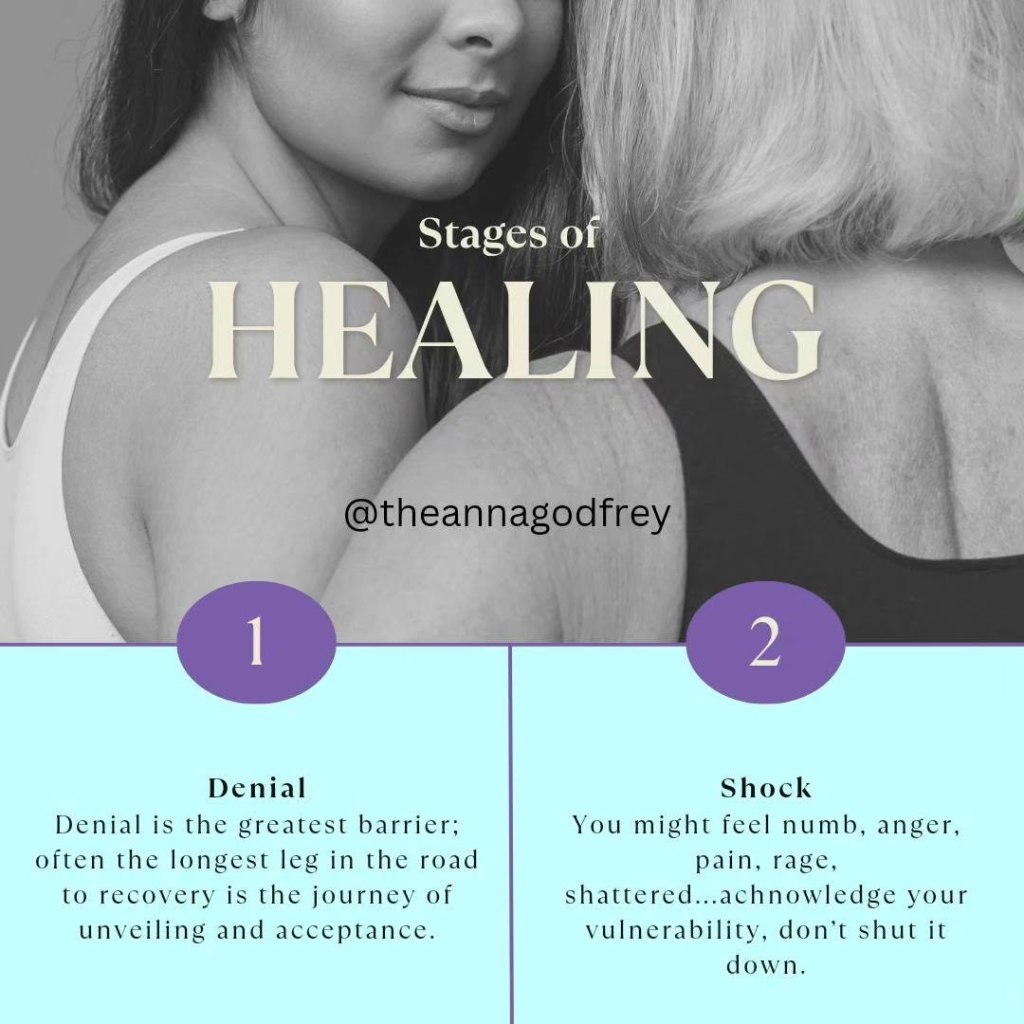
1. Denial

Denial is a protective blanket our mind throws over us when the truth feels too heavy to bear. It is often the greatest barrier to our evolution. The longest, most exhausting leg of the road to recovery is simply the journey of unveiling the truth and moving toward acceptance. Healing cannot begin until we stop hiding from what is.

2. Shock

When the denial fades, reality hits. In this stage, you might feel entirely numb, or you might be flooded with intense anger, pain, rage, and a feeling of being completely shattered. The key here is survival through allowance: acknowledge your vulnerability; do not shut it down. Let the storm pass through you without judging it.

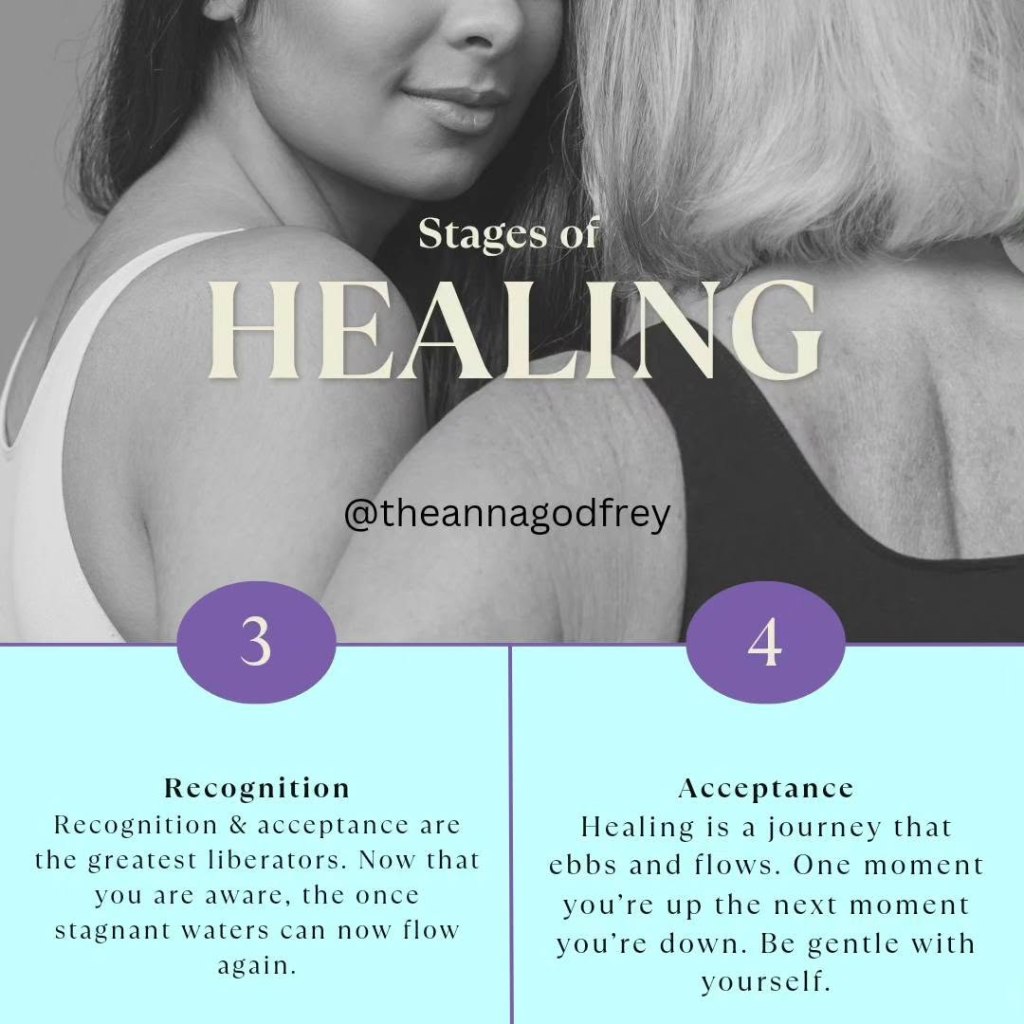
3. Recognition

This is the turning point. Recognition combined with acceptance are the greatest liberators of the human spirit. The moment you look your reality in the eye and say, “This is what happened, and this is where I am,” the once stagnant waters of your life can finally begin to flow again.

4. Acceptance

Acceptance doesn’t mean you love what happened; it means you stop fighting it. This stage is a fluid journey that ebbs and flows. One moment you are standing strong on the mountaintop, and the next moment you feel down in the valley again. This is normal. Be gentle with yourself during the dips.

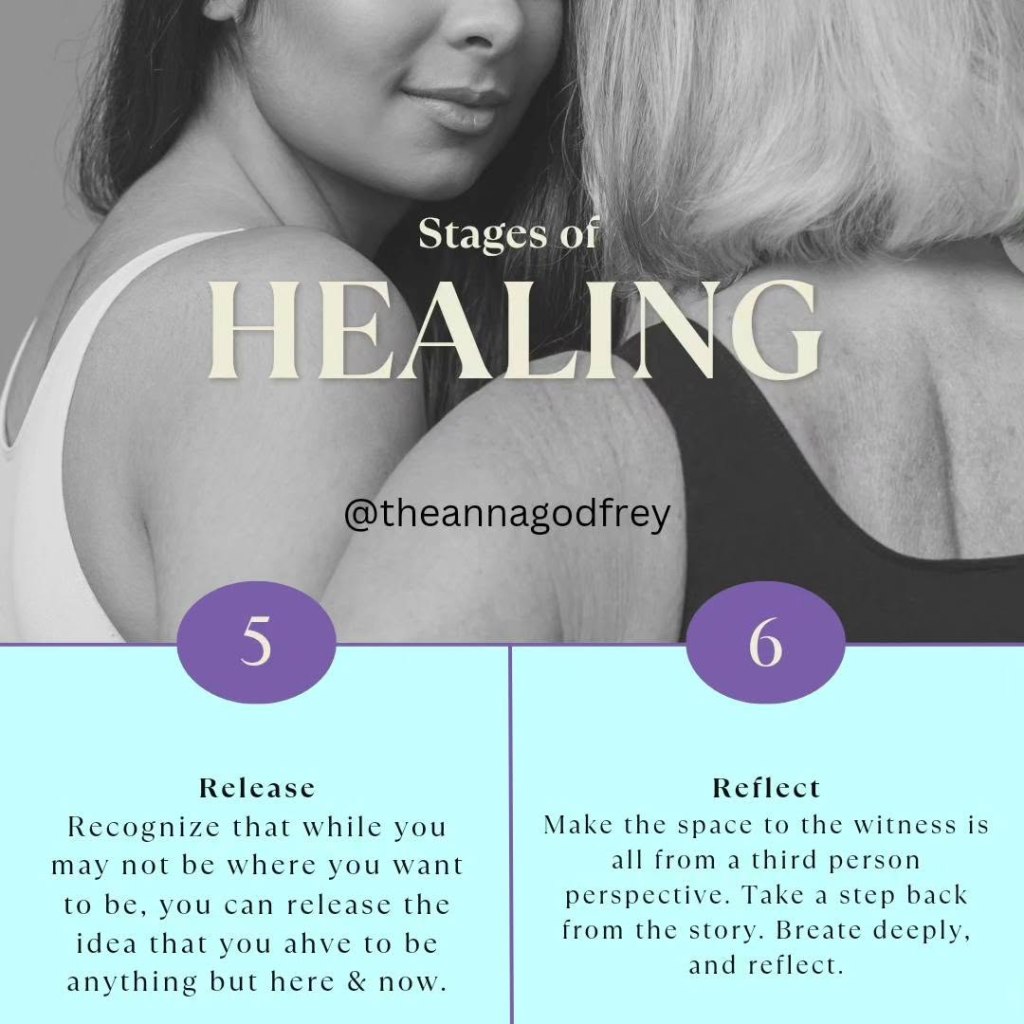
5. Release

True peace comes when we stop fighting the present moment. In the release phase, you recognize that while you may not be exactly where you want to be yet, you can release the heavy expectation that you have to be anything but here and now. You are allowed to just exist as you are today.

6. Reflect

To heal deeply, we have to step out of the chaos of our own minds. Make the conscious space to witness it all from a third-person perspective. Take a step back from the narrative, pull yourself out of the drama of the story, breathe deeply, and simply reflect on how far you’ve come.

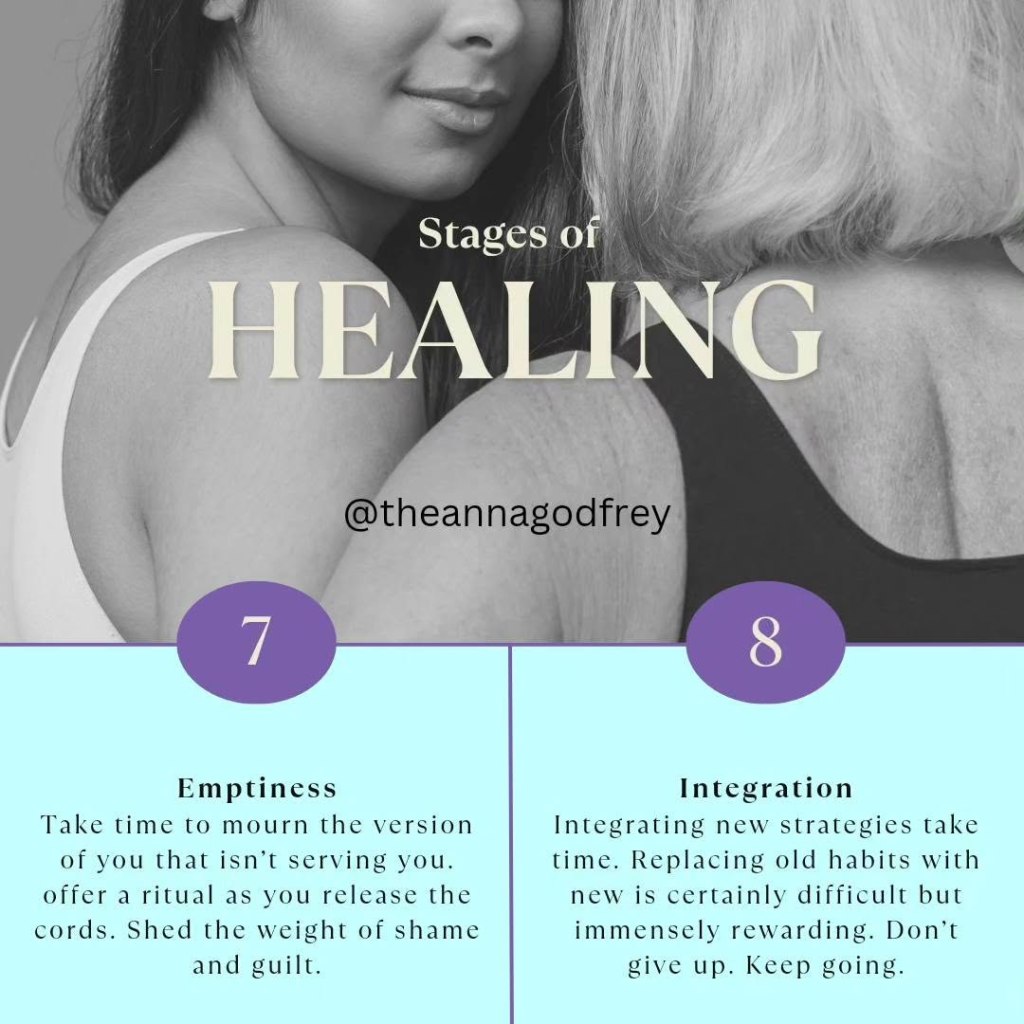
7. Emptiness

Before you can fill your cup with new, vibrant energy, you have to sit with the space left behind. Take the time to mourn the older version of you that is no longer serving your highest good. Offer yourself a quiet ritual as you cut those energetic cords. Shed the heavy weight of shame and guilt; they have no place in your future.

8. Integration

This is where the real work happens. Integrating new, healthy strategies takes time and conscious effort. Replacing lifelong, survival-driven habits with new, mindful practices is undeniably difficult, but it is immensely rewarding. When it feels tough, don’t give up. Keep going.

9. Transform

The final shift. This is where you begin actively making changes where you feel they are most appropriate for your unique journey. Remember: there is absolutely no rush. One single step at a time is enough, because small, consistent changes move mountains.

A Gentle Reminder for Today: Healing takes time. There is no timeline, no schedule, and no competition. Trust the process, honor exactly where your feet are planted today, and above all, be kind to yourself.

How are you nurturing your nervous system through your own healing journey today? Which stage resonates with you the most right now? Let’s connect in the comments.

#HealingJourney #SelfCare #MentalHealth #PersonalGrowth #EmotionalHealing #Mindfulness

Creating Ripples of Kindness in a Noisy World

In a world that seems to be getting louder by the second, we often focus so much on being heard that we forget to notice how we are being felt.

Calm lake at sunset with ripples from a stone in water, forest and mountains in background
Ripples expand on a calm lake at sunset surrounded by forest and mountains

The energy you bring into a room—or even a digital space—leaves a mark. Today, I want us to take a step back and look inward at how we are showing up for others. Are we being truly kind, or just going through the motions? Are we offering genuine compassion when someone is struggling? Can we be “real” and honest with people while still being gentle?

Being polite isn’t about being passive; it’s about having the strength to remain grounded and graceful even when the world feels chaotic.

🌟 The “Reflection” Challenge

Today, I challenge you to pause before every interaction—whether it’s with a coworker, the person behind the counter, or your family at home.

Ask yourself these three questions before you speak:

  1. Is it kind?
  2. Is it necessary?
  3. How will this person feel after I leave?

Let’s commit to lowering the volume of the noise and raising the standard of our kindness. It only takes one interaction to completely change the trajectory of someone’s day.

How are you choosing to show up today? Let’s start a ripple effect of kindness in the comments below! 👇✨

#MindfulLiving #ChooseKindness #IntentionalHearts #BeTheLight #GraceAndCompassion

Shift from Reactive to Intentional: Monday Motivation

Happy Monday! ☀️

Winding dirt path through green countryside with morning mist and sunrise
A winding dirt path leads through misty greenery at sunrise

It is so easy to start the week by reacting to everything around us—answering every notification, jumping into every “emergency,” and letting the day dictate our mood. But if we want to reach those big, audacious goals, we have to shift from reactive to intentional.

Success isn’t usually the result of one giant leap. It’s the result of small, consistent steps taken every single day.

Today, before you dive into your to-do list, take a second to look at your tasks and ask yourself:

  • Is this income-producing?
  • Is this helping my family?
  • Is this helping someone else without distracting me from what actually needs to be done?

If a task doesn’t fit into one of those categories, it might just be noise. Don’t let the “busy work” keep you from the “real work.” Be ruthless with your time today and make sure your energy is going toward the things that truly move the needle.

What’s one small step you’re taking toward a big goal today? Let’s get after it! 💪✨

#MondayMotivation #IntentionalLiving #GoalGetter #SmallSteps #MindsetMatters