
As the last leaves drop and autumn gives way to crisp frost, nature enters a distinct turning point. Across many spiritual paths, late autumn is felt as a threshold—a time when the veil between worlds grows quiet and thin. In Norse Paganism and Heathen traditions, this crucial seasonal shift is known as Vetrnætr, or the Winter Nights.
Falling around late October, Vetrnætr marks the end of the harvest, the official start of winter on the historic Norse calendar, and a sacred pause before the deep freeze sets in. If you are looking to ground your spiritual practice during this time of year, Vetrnætr offers a rich framework centered on ancestral connection, protection, and inner transformation.
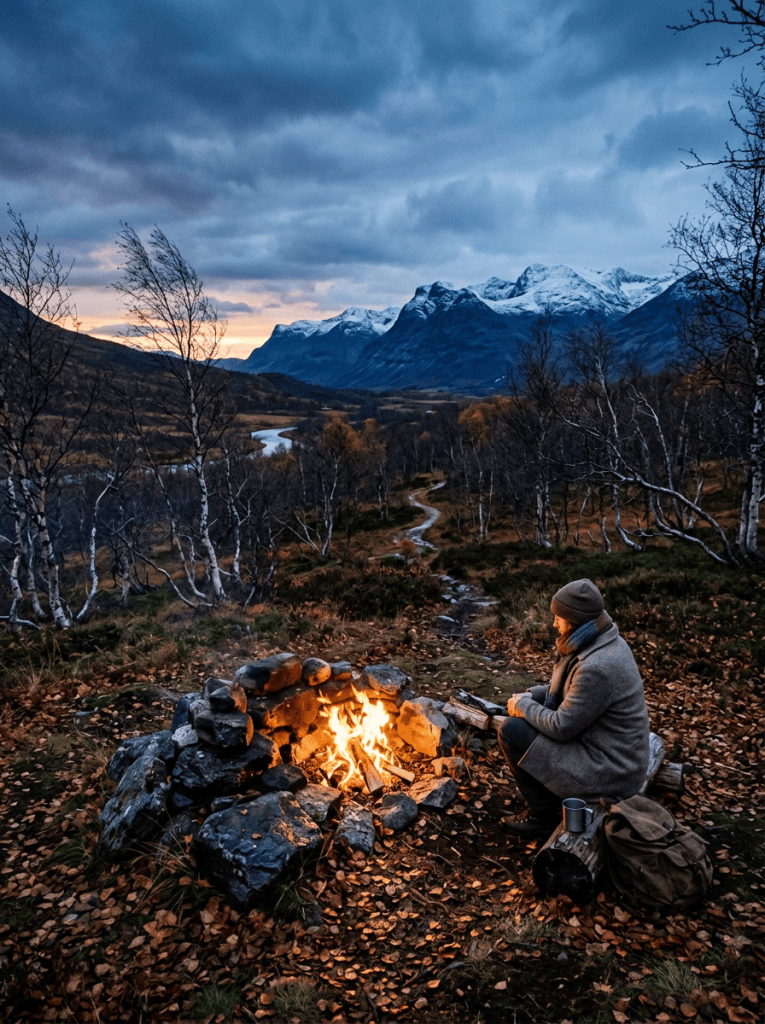
Understanding Winter Nights and the Dísablót
Historically, the Norse divided the year into two main seasons: summer and winter. Vetrnætr was a three-day celebration welcoming winter and making offerings for protection, peace, and abundance through the coming dark months.
At the core of this festival was the Dísablót—a ritual sacrifice or offering made to the Dísir. The Dísir are collective protective spirits, often associated with female ancestors, fate (wyrd), and guardian spirits (fylgjur). Unlike the grand public sacrifices of spring or midwinter, the Dísablót during Winter Nights was intimately tied to the home, household, and family lineage.
Celebrating Vetrnætr is less about fearing the darkness and more about recognizing that darkness is necessary for rest, reflection, and future renewal.
3 Ways to Honor Vetrnætr in Modern Practice
You don’t need an elaborate setup or ancient tools to honor this seasonal threshold. Here are three practical ways to weave the energy of Winter Nights into your spiritual life today:
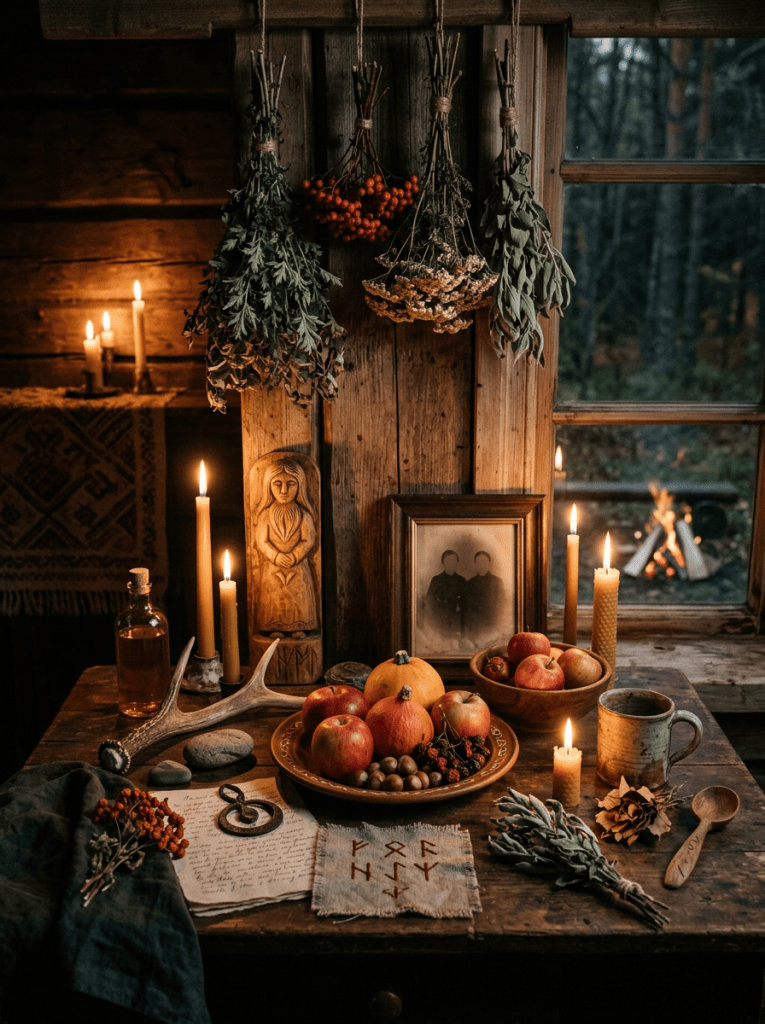
1. Build a Sacred Ancestral Altar
Winter Nights is first and foremost a time of remembrance. Creating an altar or dedicated space allows you to hold space for those who came before you.
- What to include: Photos of departed family members, heirlooms, fall foliage, candles, and a small dish for offerings (such as dark ale, mead, apples, or bread).
- The practice: Light a candle each evening during late October. Speak your ancestors’ names aloud, express gratitude for their resilience, and invite their wisdom to guide you through the darker half of the year.
2. Seek Guidance Through Rune Divination
As outdoor activities quiet down, late autumn naturally invites introspective practices. In Norse tradition, wisdom and fate are deeply interconnected with the unseen world.
- The practice: Set aside quiet time during Vetrnætr to pull a single rune or a three-rune spread. Ask questions focused on internal growth and preparation:
- What energy should I release as winter begins?
- Where should I direct my focus during this quiet season?
- What ancestral wisdom can I draw upon right now?
3. Embrace the “Shadow Work” of the Fading Light
In modern spirituality, the thinning veil is an ideal time to look inward and address the parts of ourselves we often ignore in the busy, outward energy of summer.
- The practice: Take time for reflective journaling. Consider what “harvest” from this past year you need to preserve, and what old habits or patterns you need to lay to rest. Allow yourself to rest without guilt—embracing the stillness of nature as a vital part of your personal cycle.
A Simple Vetrnætr Blessing
Whether you are performing a full ritual or simply lighting a single candle at dusk, you can use this brief blessing to ground your intention:
“Hail to the Dísir, guardians of lineage and fate.
Hail to the ancestors who walked the path before us.
As the light fades and winter takes hold,
We offer gratitude for the harvest and ask for strength in the quiet dark.
May our homes be warm, our minds be sharp, and our spirits be steadfast.”
Stepping Into the Winter Months
Vetrnætr reminds us that darkness is not something to be feared; it is the soil in which new beginnings quietly wait. By taking time to honor your roots, listen to your intuition, and align with nature’s rhythm, you can enter the winter season grounded, protected, and inspired.


You must be logged in to post a comment.