Crystal Healing 101: Unlocking the Energy of Stones

Quote of the day:

“Kindness is a language which the deaf can hear and the blind can see.”

Mark Twain

Have you ever felt drawn to the shimmering beauty of a crystal? Perhaps you sensed a subtle energy emanating from it, a vibration that seemed to resonate with your own. If so, you’ve already experienced the first step in your crystal healing journey.

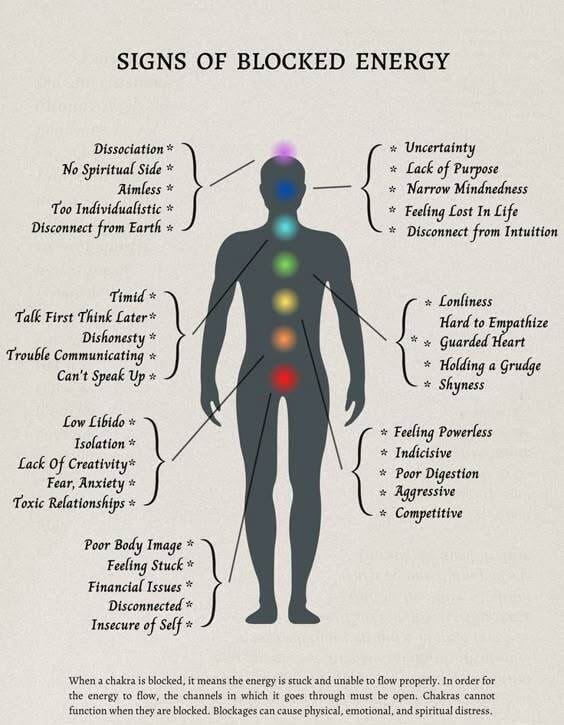
Rooted in ancient traditions, crystal healing is a holistic wellness practice that uses the power of crystals and gemstones to promote balance and harmony in our lives. It operates on the principle that crystals possess unique vibrational frequencies that can interact with our own energy fields, supporting emotional, physical, and spiritual well-being.

What is Crystal Healing?

Imagine each crystal as a tiny, vibrating source of energy. Crystal enthusiasts believe that these vibrations, determined by the crystal’s unique atomic structure, can influence our own energy flow. By interacting with crystals – whether by holding them, meditating with them, or simply having them nearby – we can tap into their energy to support our own healing and growth.

Popular Crystals for Beginners

The world of crystals is vast and diverse, but many beginners start with a few key stones known for their powerful properties:

  • Amethyst: This purple beauty is renowned for its calming energy. It’s often used to reduce stress, soothe anxiety, and encourage restful sleep.
  • Clear Quartz: Known as the “Master Healer,” clear quartz is believed to amplify energy and intentions. It’s incredibly versatile and can be paired with other stones to enhance their effects.
  • Rose Quartz: The stone of love and compassion, rose quartz is associated with emotional healing, self-love, and deepening connections with others.
  • Black Tourmaline: A powerful protector, black tourmaline is believed to shield against negative energies and promote grounding.
  • Citrine: Often called the “Success Stone,” citrine is linked to abundance, prosperity, and joy, making it a popular choice for manifesting goals and attracting positivity.

While these are just a few examples, remember that the most important factor is choosing a crystal that resonates with you intuitively. Trust your instincts and select stones that you feel drawn to.

How to Use Crystals in Your Daily Life

There are countless ways to incorporate crystals into your daily routine:

  • Meditation: Hold a crystal in your hand or place it nearby during meditation to enhance focus, deepen your practice, and connect with the stone’s energy.
  • Wearing Crystals: Adorn yourself with crystal jewelry to keep their energy close throughout the day.
  • Crystal Grids: Arrange crystals in specific patterns to create a focused intention, such as promoting peace in your home or manifesting a specific goal.
  • Sleeping with Crystals: Place crystals near your bed or under your pillow to encourage restful sleep and enhance dreamwork. Amethyst is a popular choice for this purpose.

Cleansing and Charging Your Crystals

Just like us, crystals can benefit from a little energetic refresh now and then. Here are a few simple methods to cleanse and charge your stones:

  • Moonlight: Bathe your crystals in the light of the full moon to cleanse and recharge them.
  • Smudging: Pass your crystals through the smoke of sage or incense to clear away stagnant energy.
  • Sea Salt: Bury your crystals in sea salt (ensuring the salt won’t damage the stone) to purify their energy.

Does Crystal Healing Really Work?

While scientific evidence supporting crystal healing is limited, many people experience tangible benefits from incorporating crystals into their lives. Crystals can serve as powerful reminders of our intentions, help us cultivate mindfulness, and bring a sense of calm and connection to our daily routines.

Embark on Your Crystal Journey

If you’re intrigued by the world of crystals, start by exploring a few stones that resonate with you. Hold them, meditate with them, and see how they make you feel. Keep an open mind, set clear intentions, and allow the energy of crystals to support your journey of self-discovery and well-being.

Ayurveda Recipes: Hazelnut & Honey Strength Building Smoothie

When you’re recovering from an illness, it’s common to feel weak, tired and struggling to get back to normal. Even though the worst is behind you, it can take a couple of weeks to rebuild your strength and stamina. At times like this, introduce an easily digestible nutritive tonic to support your body through the recovery process. ‘Hazelnut & Honey Strength Building Smoothie’ is anabolic in nature and will help your body to rebuild deficient tissue after a period of weakness. The oily and sweet properties also work to soothe an aggravated nervous system. Sip this smoothie to feel nourished and calm.
Ingredients
1/2 c HAZELNUT
2 tbsp HONEY
2 tbsp COCONUT OIL
2 c ALMOND MILK
Instructions
Optional: include 1 tbsp of ashwagandha
1. Preheat oven to 400F.
2. In an oven tray, roast hazelnuts for 10-15 minutes, stirring regularly to avoid burning.
3. Remove skin if desired by vigorously rubbing the hazelnuts when wrapped in a clean kitchen cloth.
4. Add all ingredients to blender and process until smooth and creamy.

Prompts for Inner Healing: A Journey Through Journaling

Quote of the day…

“Healing doesn’t mean the damage never existed. It means the damage no longer controls our lives.”

Unknown

Journaling can be a powerful tool for healing and self-discovery. It allows us to explore our thoughts and feelings in a safe space, uncover hidden patterns, and cultivate a deeper understanding of ourselves. Some of the most effective journaling prompts for inner healing are simpler than you might expect. Often, open-ended questions or statements are all we need to unlock a wellspring of insights and begin our healing journey.

Self-Reflection:

  1. What does “healing” mean to me personally? Imagine a healed version of yourself. What would they look and feel like? How would their life be different?
  2. Identify a recurring negative thought you have about yourself. Where did this thought originate? What experiences or beliefs reinforce it? How can you challenge its validity and replace it with a more empowering narrative?
  3. When was the last time you felt genuinely peaceful? Describe the moment in detail. What factors contributed to that sense of peace? How can you recreate those conditions more often?
  4. How has your relationship with yourself changed over the years? What further changes do you want to make? What steps can you take to cultivate a more loving and accepting relationship with yourself?

Past Experiences:

  1. What past wounds are you still carrying? What would it take to forgive the people involved (including yourself) and release these wounds? What would letting go of this pain allow you to experience?
  2. Describe a time you felt unsupported. What emotions did you experience? What would you say to your younger self who went through that experience? What support do you need now?
  3. Write a letter to someone (alive or not) who hurt you. Express everything you’ve wanted to say, allowing yourself to fully feel and release the emotions associated with that experience. You don’t have to send it; the act of writing itself can be cathartic.
  4. If you could tell your past self three pieces of advice for inner peace and resilience, what would they be? Imagine how this advice might have changed your past experiences.

Emotional Awareness:

  1. How do you tend to cope with difficult emotions? Which strategies serve you well, and which are unhelpful or harmful? What healthy coping mechanisms can you explore?
  2. What emotions do you avoid most often? Why do you avoid them? What would happen if you allowed yourself to sit with these feelings instead? What might they be trying to tell you?
  3. Describe a time you felt deeply loved or accepted. How can you offer that same love and acceptance to yourself now? What actions or affirmations would help you embody this feeling?

Relationships:

  1. Who in your life inspires a sense of comfort and security? What qualities in them contribute to this feeling? How can you cultivate these qualities in yourself and your other relationships?
  2. What patterns do you notice in your relationships (romantic, friendships, family)? Are these patterns serving you or hurting you? How can you set healthier boundaries and create more fulfilling connections?

Mindfulness and Gratitude:

  1. What fears or anxieties keep you from fully embracing the present moment? How can you confront or lessen their grip on you? What mindfulness practices can help you stay grounded in the present?
  2. List three things that make you feel grounded and safe. How can you incorporate these things into your daily life to create a sense of stability and security?
  3. What are five things you’re grateful for about yourself? How do these qualities make you feel empowered? How can you express gratitude for yourself more often?

Growth and Self-Compassion:

  1. What parts of your life or self do you feel disconnected from? How can you begin to reconnect with those aspects and live a more integrated life?
  2. How do you react to failure or setbacks? What can you learn about resilience and self-compassion from these experiences? How can you treat yourself with more kindness and understanding during challenging times?
  3. List three qualities you admire in others. How can you nurture these qualities within yourself? What steps can you take to develop these strengths?
  4. What are three small steps you can take this week to show kindness and care to yourself? How can you prioritize your well-being and make self-care a regular practice?

These prompts are designed to gently guide you on a journey of self-exploration, understanding, and healing. Remember to approach each prompt with curiosity and compassion, allowing your responses to unfold naturally.

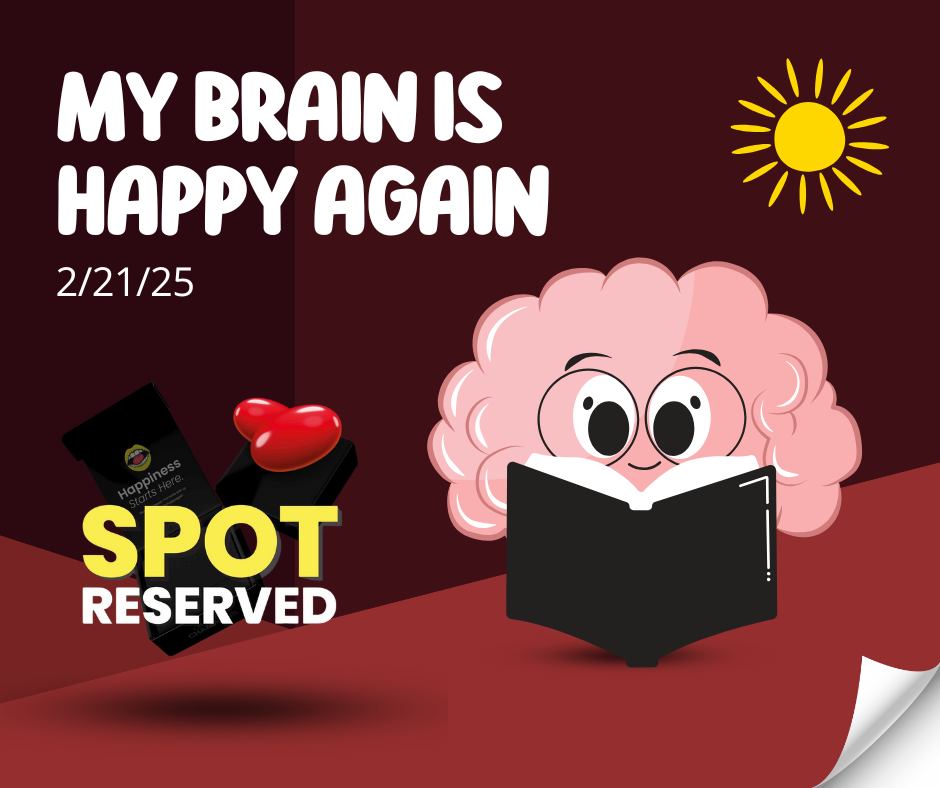
What’s this Happy Pill about?

Maybe you didn’t quite realize everything you get by locking in your spot during pre-launch?


FREE Happy Pills ($30 value) – included with your pre-launch spot

FREE Shipping + SWAG – because we like spoiling our early adopters

FREE Website – just like the one you visited, ready for you to start sharing immediately

ENDLESS $5 commissions banked for every person who claims their free sample through your link

And here’s the best part: locking in your spot makes you an official part of our Champion’s Circle. These spots are limited, only available during prelaunch, and guarantee you’re in before the masses.

ALL of this for less than the cost of a movie and popcorn!


Lock-in Your Spot & Claim Your Free Happy Pills

Downward-Facing Pigeon Pose (Adho mukha kapotasana)

What is Downward-Facing Pigeon Pose?
Downward-facing pigeon pose, or adho mukha kapotasana in Sanskrit, is a restful version of the upright pigeon pose. The torso folds over the front leg with the arms stretched forward in this deep hip opener.
Instructions
Begin in pigeon pose with the right leg extended back.Exhale and lower the torso down, walking the hands forward.Rest the forehead on the floor and press the palms together in prayer.Breathe while holding the pose.Inhale and release. Change sides.