“Mindfulness is a pause – the space between stimulus and response: that’s where choice lies.”
Tara Brach
Feeling overwhelmed or anxious? These simple yet effective grounding techniques can help you quickly reconnect with the present moment and regain your composure:
1. Deep Breathing:
The 4-4-4-4 Method: Inhale deeply for 4 seconds, hold for 4 seconds, exhale slowly for 4 seconds, and hold again for 4 seconds.
Focus on the Breath: Pay close attention to the sensation of your breath as it enters and leaves your body. Feel the rise and fall of your chest.
2. Cold Water Splash:
Experience the Sensation: Splash cold water on your face, paying attention to the sound and the invigorating feeling on your skin.
Alternative: If a full face wash isn’t possible, run cold water over your hands and focus on the sensation of the cool water.
3. Mindful Walking:
Engage Your Senses: Take a short walk, paying attention to your surroundings. Notice the sounds of nature, the feel of the ground beneath your feet, the breeze on your skin.
Focus on Your Movement: Become aware of each step you take, the rhythm of your breath, and the way your body moves.
4. The 5-4-3-2-1 Method:
Engage Your Senses:
Name 5 things you can see.
Name 4 things you can feel.
Name 3 things you can hear.
Name 2 things you can smell.
Name 1 thing you can taste.
Grounding Exercise: This simple exercise helps shift your focus to the present moment and away from anxious thoughts.
5. Body Scan Meditation:
Focus on Each Part: Gently scan your body, starting from your toes and moving upwards.
Release Tension: Pay attention to any areas of tension and consciously relax those muscles.
Deep Breathing: Combine the body scan with deep breaths, exhaling as you release tension in each part of your body.
6. Temperature Therapy:
Hold Something Cold: Hold a cold pack or an ice cube. Focus on the sensation of the cold on your skin.
Warm Embrace: Hold a warm mug of tea or coffee. Notice the warmth in your hands and the comforting sensation as you sip the beverage.
7. Backward Counting:
Skip the Routine: Instead of counting down from 100, try counting backward by 3s (100, 97, 94, 91, etc.). This adds a slight challenge and helps maintain focus.
Remember, these are just a few suggestions. Find the grounding techniques that work best for you and practice them regularly. With consistent effort, you’ll be better equipped to manage stress and maintain a sense of calm throughout your day.
“Everyone can experience the joy and blessing of generosity; because everyone has something to give.”
Jan Grace
In today’s fast-paced world, it’s easy to feel overwhelmed by emotions and the constant demands of daily life. But amidst the chaos, writing offers a powerful tool for healing and self-discovery. Whether it’s journaling, poetry, creative storytelling, or simply jotting down your thoughts, the act of putting pen to paper (or fingers to keyboard) can have a profound impact on your mental and emotional well-being.
1. A Pathway to Self-Expression and Clarity:
Our minds are often a whirlwind of thoughts and feelings. Writing provides a safe and structured space to explore these internal landscapes. As you begin to articulate your emotions, patterns and connections may emerge that were previously hidden. This process not only brings clarity but also fosters a deeper understanding of yourself and your inner world.
2. An Outlet for Emotional Release:
Journaling can be a powerful cathartic experience. By giving voice to your frustrations, fears, and joys, you can release pent-up emotions and alleviate feelings of stress and anxiety. The act of writing itself can be therapeutic, transforming chaotic thoughts into something tangible and manageable.
3. A Mirror to Reflection and Growth:
Writing encourages introspection. As you revisit past entries, you can observe your own growth and development over time. Recognizing patterns in your thoughts and behaviors can provide valuable insights into your personality and relationships, fostering personal growth and self-awareness.
4. Building Bridges of Connection and Empathy:
Sharing your written work with others, whether through poetry, stories, or blog posts, can create meaningful connections. When others resonate with your words, it fosters a sense of community and shared understanding. Knowing that you are not alone in your experiences can be incredibly healing and empowering.
5. Unleashing Creativity and Joy:
Engaging in creative writing can reignite your passion and spark joy. Whether it’s crafting a short story, penning a poem, or simply freewriting, the creative process can be a powerful antidote to stress and negativity. It allows you to explore your imagination, envision a brighter future, and reconnect with your inner child.
6. Cultivating Mindfulness and Presence:
The act of writing itself can be a mindful practice. It requires focus and attention, drawing your attention to the present moment. This mindful engagement can help you detach from the constant chatter of your mind and find a sense of peace and tranquility.
In a world that often feels chaotic and overwhelming, writing offers a sanctuary for the soul. It is a powerful tool for self-discovery, emotional healing, and personal growth. So, pick up a pen, open your laptop, and let the words flow. You might be surprised at the profound impact this simple act can have on your well-being.
“Every day may not be good, but there’s something good in every day.”
Alice Morse Earle
Acceptance. It’s a word that might conjure up images of resignation or giving up. But in reality, acceptance is a powerful tool for cultivating inner peace and navigating life’s inevitable challenges with greater ease.
Acceptance doesn’t mean condoning negative behavior or resigning yourself to a life of unhappiness. It means acknowledging reality as it is, without resistance or judgment. It’s about recognizing that life is full of ups and downs, and learning to find peace within the ebb and flow.
Here are a few practices that can help you cultivate acceptance:
Acknowledge Your Feelings: Instead of suppressing or judging your emotions, allow yourself to feel them fully. This could be sadness, anger, frustration, or even joy.
Shift Your Perspective: Try to view situations from different angles. Ask yourself, “What can I learn from this experience?” or “How can I grow from this challenge?”
Embrace Mindfulness: Mindfulness practices, such as meditation or deep breathing, help you stay present and aware of your thoughts and feelings without judgment.
Let Go of Control: Recognize that you cannot control everything. Focus on what you can control and let go of the rest.
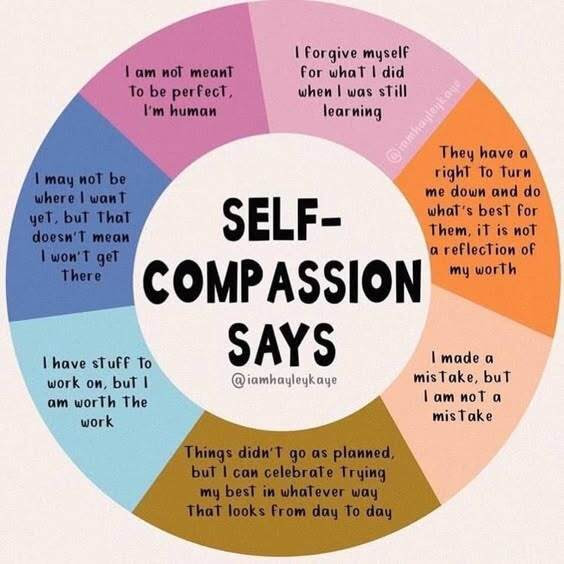
Embrace Imperfection: Life is messy. Accepting imperfection in yourself and others can lead to greater self-compassion and peace of mind.
Practice Gratitude: Cultivating gratitude shifts your focus from what’s lacking to what you already have.
Seek Support: Sharing your feelings with a trusted friend, family member, or therapist can provide valuable perspective and support.
Acceptance is a journey, not a destination. It’s a continuous process of learning and growth. By embracing your feelings, shifting your perspective, and cultivating mindfulness, you can navigate life’s challenges with greater ease and find a deeper sense of peace within yourself.








You must be logged in to post a comment.