Why “Calories In vs. Calories Out” is Only Half the Story
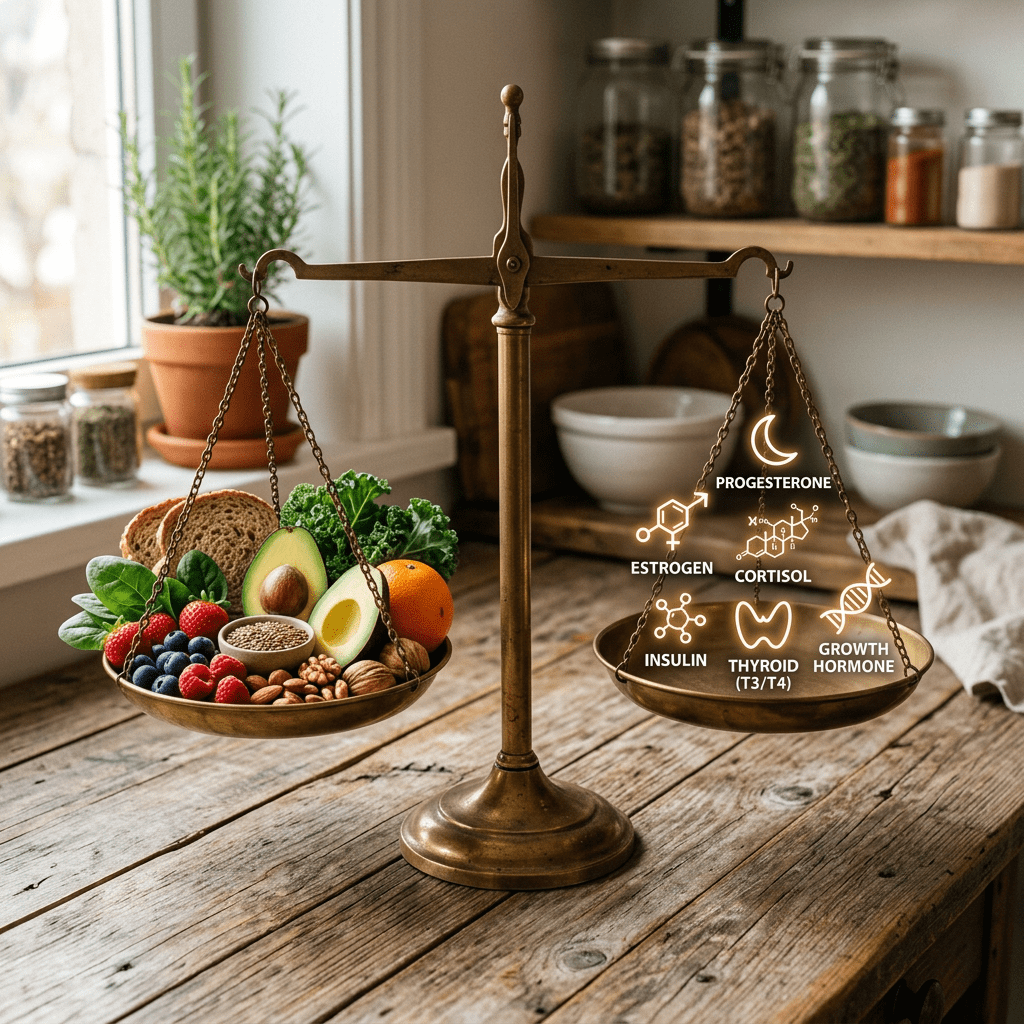
A vintage brass scale balancing healthy foods against hormone symbols.
If weight loss were just math, we’d all be thin. The truth is, your body is a chemistry lab, not a calculator.
Two people can eat 1,500 calories, but if one person is eating 1,500 calories of processed carbs and the other is eating 1,500 calories of whole proteins and healthy fats, their bodies will look and feel completely different.
Why? Hormones.
Insulin: Your fat-storage hormone. High-sugar foods keep insulin high, which literally “locks” your fat cells.
Cortisol: The stress hormone. If you’re over-caffeinated and under-slept, your body will hold onto belly fat for “protection,” regardless of your calories.
The Takeaway: Focus on food quality and stress management first. When the chemistry is right, the math starts to work in your favor!
Looking for the specific tools I use to keep my hormones in check? Send me a DM or check the link in my bio for my daily metabolic “must-haves!”
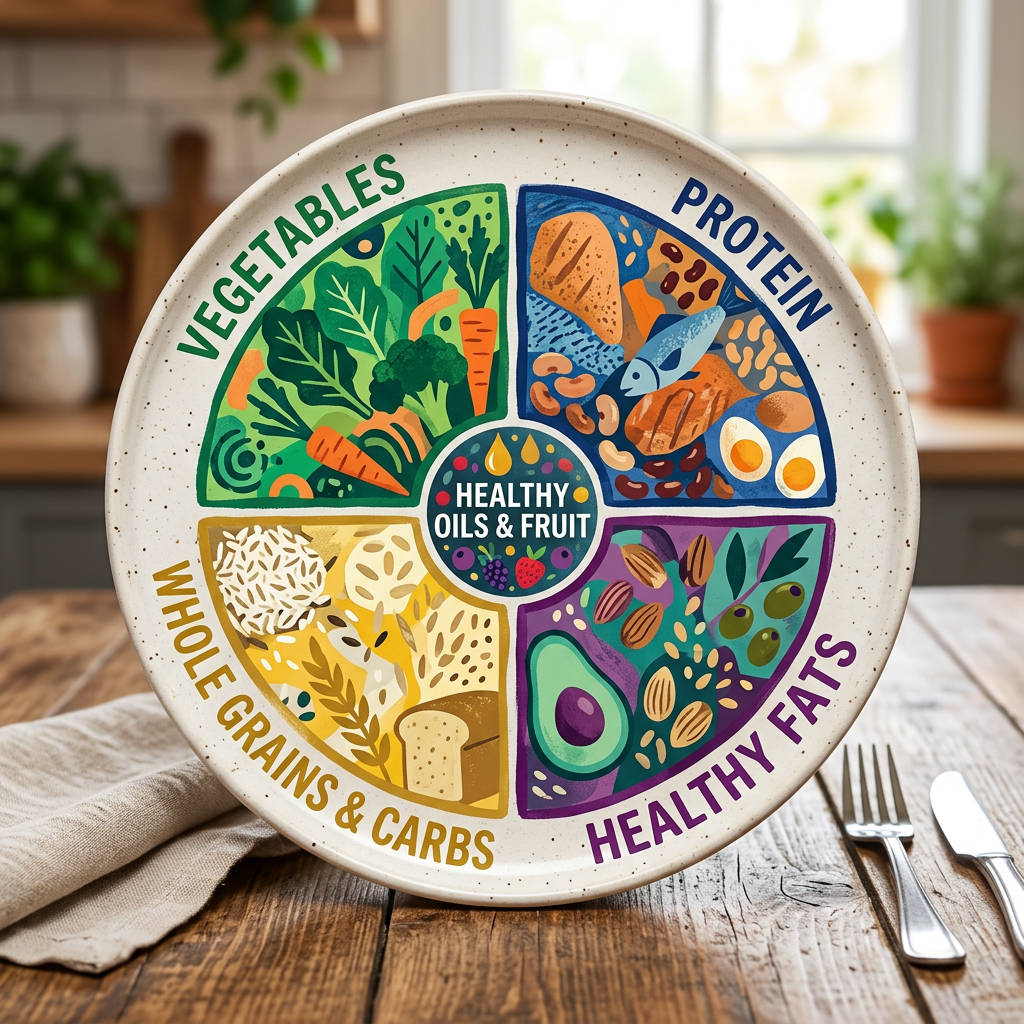
A nutrition plate divided into vegetables, protein, grains, and healthy fats
One of the biggest hurdles to long-term fat loss is social life. You don’t have to be the person eating a plain chicken breast out of a Tupperware container at the restaurant.
My “Dining Out” Strategy:
The “First In” Rule: Order first. If you hear your friends ordering fries and margaritas, you’re more likely to fold. Be the leader!
Double the Veg, Ditch the Starch: Ask the server to swap the fries or rice for double steamed broccoli or a side salad. Most places do this for free.
Dress on the Side: This is an old trick because it works. Dipping your fork in the dressing gives you the flavor without the 400-calorie “pool” at the bottom of the bowl.
The “One Drink” Boundary: If you’re having alcohol, stick to clear spirits with soda water and lime. Sugar-heavy cocktails are the fastest way to shut down fat burning for 24 hours.
**The Seven Pillars of Self-Care: Find Your Balance!**
Does self-care ever feel like another thing on your to-do list? Maybe you desperately need self-care, but you’re never sure exactly how to make it happen?
There’s a lot of information out there about self-care, which usually only makes things more confusing when all you know is that you need to take care of yourself, but you’re not sure what that should look like.
That’s what we are here for – we are here to help guide you to finding what’s best in your specific journey: Look at self-care in terms of seven pillars. Seven might sound like a lot, but once you know them, you can better recognize what needs work in your life instead of trying to do everything and ending up doing nothing instead.
**The pillars of self-care:**
1. **Mental**: Cultivate a healthy mindset through mindfulness and curiosity. 2. **Emotional**: Take care of your heart with healthy coping strategies. 3. **Physical**: Care for your body with exercise, nutrition, and proper sleep. 4. **Environmental**: Take care of the spaces and places around you. 5. **Spiritual**: Engage in activities or practices that give a sense of meaning to your life. 6. **Recreational**: Make time for hobbies, fun activities, and new experiences. 7. **Social**: Build relationships with regular connection and healthy boundaries.
Seeing this list might feel overwhelming. You might think you have to find some kind of perfect balance between them all. You don’t need to focus on finding a perfect balance between them all, especially all at once. Focus on one area for a week, maybe even a month. When you’re ready, you can focus on adding in more as you go.
What’s most important is noticing which one (or two) areas need your attention most so that it doesn’t start dragging the other areas down along with it.
Taking care of you is so important for your health & wellness – make sure you are intentional about it even on the crazy & busy times because that’s when you probably are in need of it most!
Which ones resonate with you? Which ones listed above will you be practicing next?!




You must be logged in to post a comment.