The Ultimate Food Critics: Why Student Taste-Tests Matter

If you want to know if a recipe is going to be a hit, you don’t ask a nutritionist—you ask a middle schooler. Students are the ultimate food critics, and in modern school nutrition, giving them a voice is the secret to a successful menu.
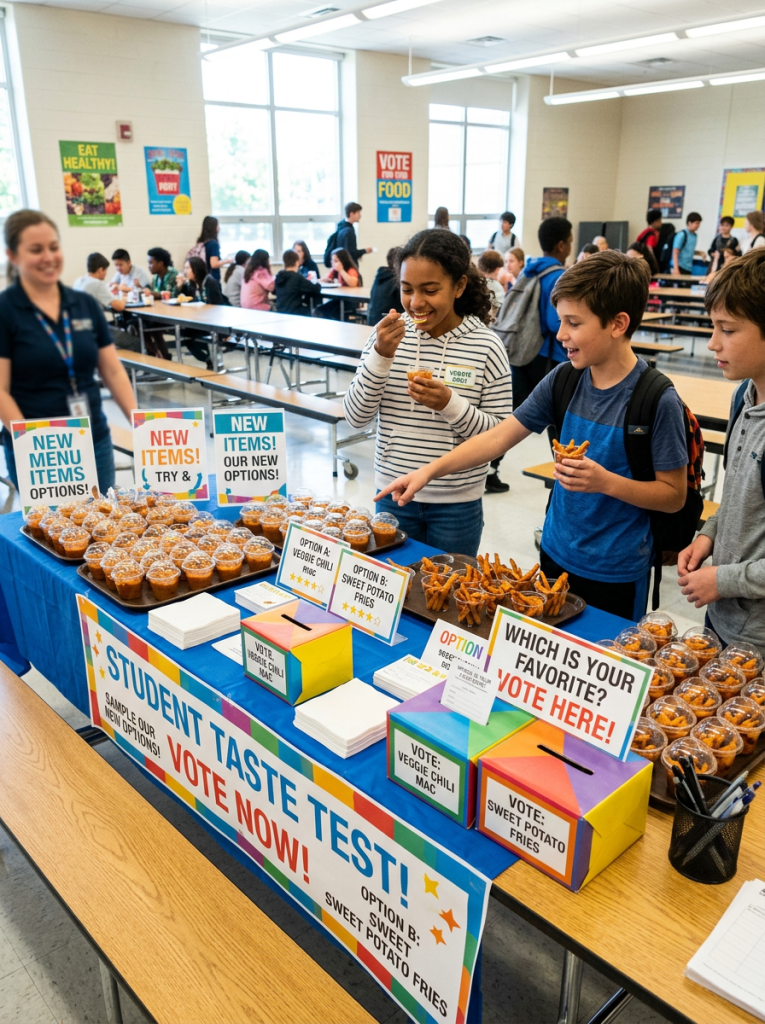
Students tasting and voting on new school menu items at a cafeteria table
Students sample new menu items and vote for their favorites during a school taste test event.

Creating a nutritious meal only works if the students actually want to eat it. That is why we are increasingly relying on student taste-testing committees. When we introduce a new concept—like a build-your-own street taco bar or a globally-inspired rice bowl—putting it in front of a student panel first ensures we hit the mark on flavor.

We also know that kids, just like adults, eat with their eyes first. By focusing on colorful merchandising, visually appealing plating, and modern serving lines, we build excitement around healthy choices. When students feel a sense of ownership over their cafeteria menu, participation goes up, food waste goes down, and lunch becomes a part of the school day they genuinely look forward to.

How to Run a Successful Taste-Test Campaign

Taste tests validate your menu choices and serve as fantastic marketing. Here is how to execute them effectively:

  • Keep Portions Small: Serve two-bite samples. This prevents waste and allows students to focus on the flavor profile without committing to a whole meal.
  • Use Visual Voting Systems: Avoid long paper surveys. Use simple, interactive voting: have students drop a token into a jar marked “Loved It,” “Liked It,” or “Not for Me,” or use red, yellow, and green stickers on a poster board.
  • Recruit “Lunchroom Ambassadors”: Have older students, student council members, or athletes hand out the samples to younger grades. Peer influence drastically increases the willingness to try new foods.
  • Close the Loop: If a menu item wins a taste test, market it heavily when it officially hits the line. Put up signs saying, “You voted, we listened! Try the new Teriyaki Chicken Bowl!”

The Invisible Barrier: How School Meals Level the Playing Field

When the morning bell rings in Public Schools, our students bring more than just their backpacks into the classroom—some bring the invisible weight of food insecurity.

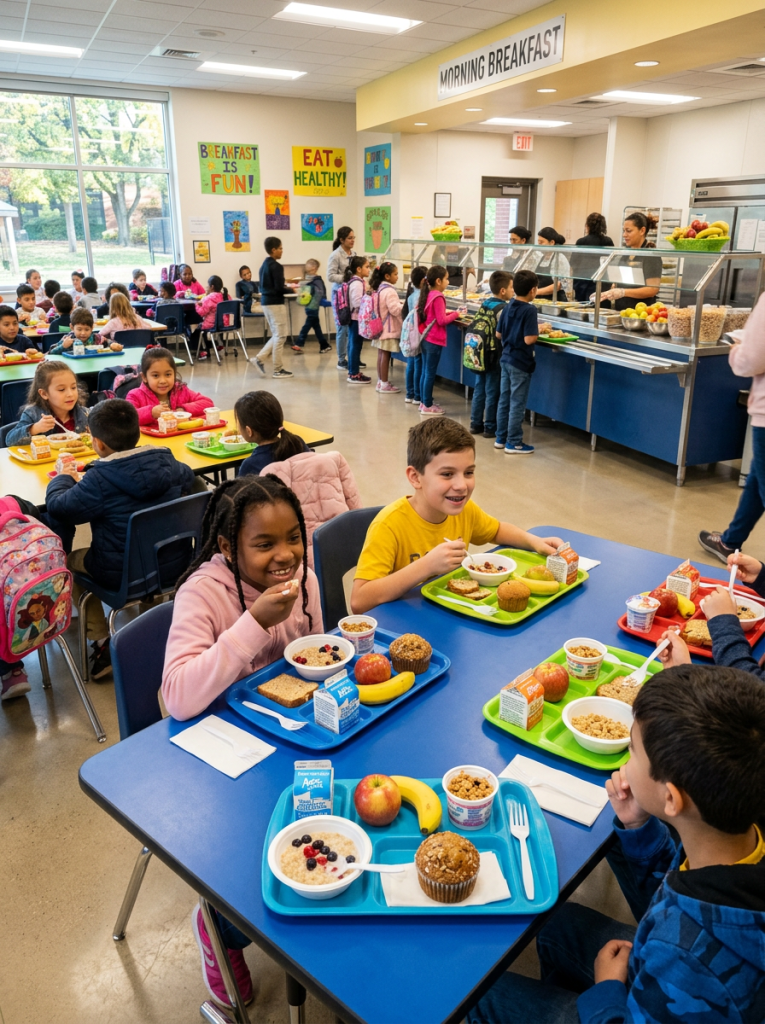
Children eating breakfast together in a school cafeteria with healthy food trays
Kids enjoy a nutritious morning breakfast together in a cheerful school cafeteria

As a community, we often think of hunger as something happening far away, but the reality is that the weekend gap is a very real hurdle for many local families. For some of our students, the meals they receive in our cafeterias are the most reliable, nutrient-dense food they will eat all day.

School meals are about so much more than convenience. Programs that provide universal free meals or community-wide support completely change the culture of the cafeteria. They eliminate the stigma of “who can pay” and “who can’t,” turning the lunchroom into a place of community rather than division. When we ensure every child has access to a balanced meal, we aren’t just feeding them—we are leveling the playing field. A fed student is ready to learn, ready to engage, and ready to thrive.

Action Plan for Nutrition Teams: Bridging the Hunger Gap

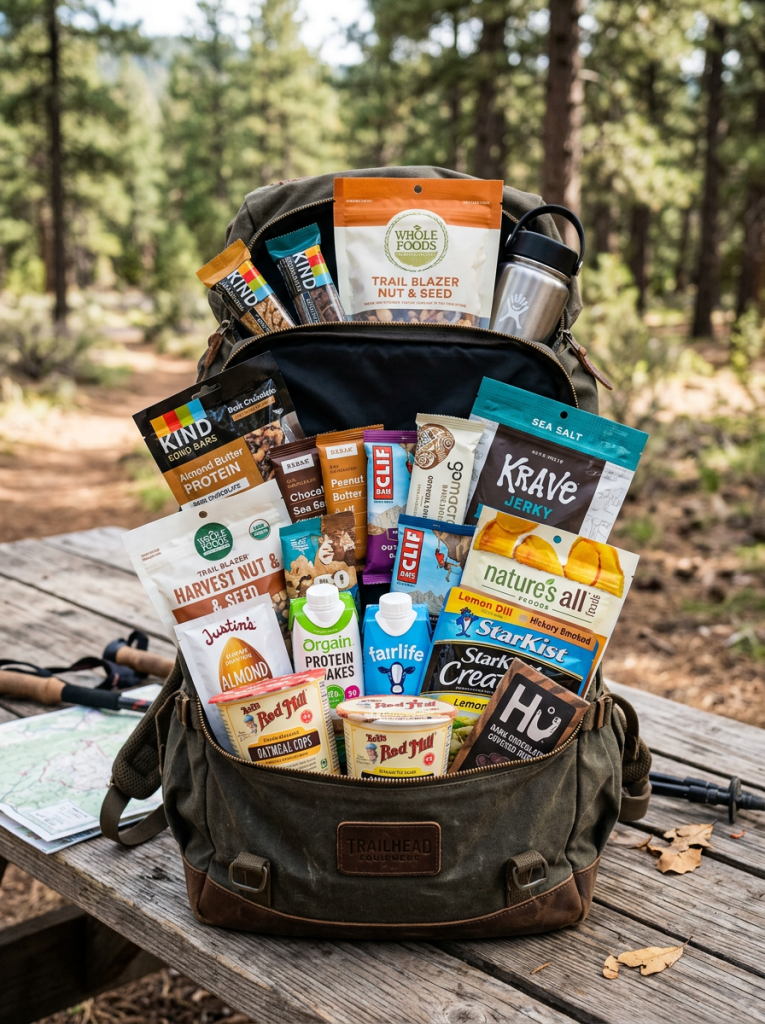
Backpack containing various health-focused snack bars, protein drinks, nuts, jerky, and oatmeal cups
A backpack filled with an assortment of nutritious snacks and drinks for outdoor adventures

Implementing broader food security measures requires community buy-in and strategic planning. Here is how schools can take action:

  • Maximize CEP Eligibility: The Community Eligibility Provision (CEP) allows schools in low-income areas to serve breakfast and lunch at no cost to all enrolled students. Work with your state agency to regularly pull direct certification data (SNAP, Medicaid) to ensure your district maximizes its claiming percentages.
  • Launch a “Share Table”: Set up a designated station where students can return whole, unbitten, factory-sealed items (like milk cartons, string cheese, or whole fruit) they choose not to eat. Other students who are still hungry can take from this table, reducing both food waste and afternoon hunger.
  • Establish a Weekend Backpack Program: Partner with a local food bank (like Feeding America) or community sponsors to discreetly slip bags of non-perishable food into the backpacks of vulnerable students on Friday afternoons.
  • Destigmatize the Line: If universal free meals aren’t possible, ensure all students go through the same line and use the same point-of-sale system (like a PIN pad or ID scan) so that free/reduced status is completely invisible to peers.