
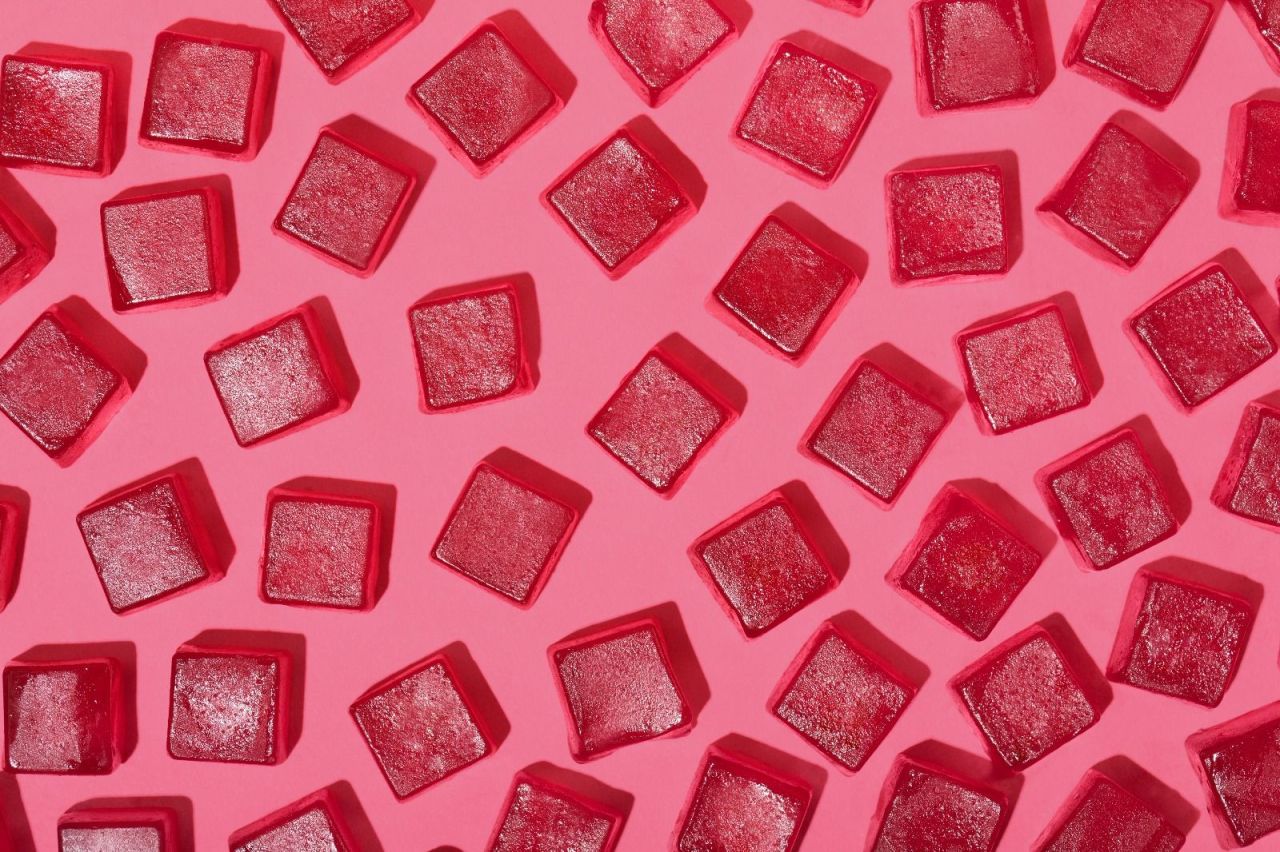
Ready to unlock a healthier, happier you? What if I told you the secret to a better gut, brighter brain, glowing skin, and a trimmed waistline could be found in one delicious, candy-like bite? No, seriously! Forget the endless pills and powders – say hello to The Gut Gummy!
Your New Daily Obsession: The Gut Gummy!
Life moves at lightning speed, and let’s be honest, self-care often takes a backseat. We’re juggling deadlines, family meals, and making memories, but our bodies are quietly keeping score. That’s where The Gut Gummy swoops in, bringing a little bit of magic to your daily chaos. It tastes like a treat, but it works like a powerhouse, supporting your entire body from the inside out.
What Makes This Gummy So Super? It’s a Tribiotic Powerhouse!
You’ve probably heard of probiotics, and maybe even prebiotics. But get ready for the next level: The Gut Gummy delivers a tribiotic punch with prebiotics, probiotics, and postbiotics, all working together in perfect harmony. Think of it as a dream team for your gut! These little gummy squares feed your good stomach bacteria, add reinforcements, and even soothe your gut tissue. The result? Calmer digestion, a steadier mood, and seriously glowing skin – no refrigeration or complicated routines required. Just pop one after breakfast with a sip of water, and you’re good to go!
More Than Just Digestion: Your Gut’s Hidden Superpowers
Did you know your gut is more than just a digestion machine? It’s a true maestro, influencing your mood, metabolism, and even your skin’s radiance. When your gut is happy, your whole body sings! That’s why The Gut Gummy’s balanced blend of prebiotics, probiotics, and postbiotics creates a synergistic effect, sparking whole-body balance between your gut, brain, skin, and yes, even your waistline.
The Tribiotic Matrix: How the Magic Happens
While many supplements stop at just probiotics, The Gut Gummy goes above and beyond with its innovative tribiotic formula. Here’s the breakdown:
- Prebiotics: Six different plant-based prebiotics act like a delicious feast for your existing good microbes, helping them thrive.
- Probiotics: It contains spore-forming Bacillus subtilis probiotics, which are super tough and survive stomach acid to reach your gut alive and ready to work.
- Postbiotics: These heat-treated powerhouses deliver ready-made cell signals that have even been shown in studies to help reduce belly fat!
Together, this trio weaves a richer, healthier microbiome. A stronger microbiome means more short-chain fatty acids, which are like tiny superheroes that help tighten your gut lining, lower inflammation, and even trigger GLP-1 – the hormone that makes you feel full and satisfied after eating. In plain terms, one gummy gives you full-spectrum coverage for fewer bloating woes, calmer cravings, and happier bathroom trips!
Gut Health = Brain Power!
Imagine a clearer mind, better focus, and deeper sleep. Sounds amazing, right? Your gut plays a massive role in all of this! Studies show that your gut is responsible for producing over 90% of all serotonin, the “feel-good” neurotransmitter. When your gut microbes are thriving, your serotonin levels can rise, leading to a brighter mood, sharper focus, and more restful nights.
The Gut Gummy supports this crucial connection with prebiotics that spark neurotransmitter precursors, probiotics that boost antioxidant enzymes, and postbiotics that calm stress signals. Say goodbye to that afternoon slump and those late-night worries – your healthier gut is silently upgrading your brain performance, one delicious gummy at a time.
Get That Inner Glow: Skin That Radiates From Within
Ever notice that when your gut is unhappy, your skin throws a tantrum? Research on the gut-skin axis confirms it: an inflamed gut often shows up on your face as breakouts, dullness, or itchiness.
The Gut Gummy helps soothe that storm. Its balanced bacteria curb gut-level histamine, postbiotic antioxidants protect your collagen, and fiber-driven butyrate strengthens your skin barrier. Give it a few days, and you’ll likely notice a real difference! It’s not just another product for your skin; it’s a way to fine-tune the inner ecosystem that keeps your complexion looking fabulous.
Waistline Support, No Willpower Required!
Tired of battling your waistline? While pesky visceral fat loves chaos, stable microbes can help bring order back to your body. The postbiotic BPL1 in The Gut Gummy has actually shown a reduction in belly circumference and dangerous visceral fat in studies! Plus, prebiotics amplify satiety hormones, and probiotics help regulate healthy blood sugar curves.
While The Gut Gummy works quietly behind the scenes, you might just see the results on the scale and in how your clothes fit. Pants button easier, your energy lasts longer, and those nagging cravings shrink – no stimulants, no crash, just daily microbiome guidance helping your body do the heavy lifting.

Pure Formula, Simple Ritual
What you put into your body matters! That’s why The Gut Gummy is crafted with plant pectin and natural fruit flavors – no yucky gelatin, cane sugar, hidden syrups, or artificial dyes. Just pure, science-backed goodness in every bite! Each chew is also vegan, gluten-free, and non-GMO. Plus, third-party labs verify every batch to ensure top-notch potency and purity.
Inside every two-gram square, you’ll find the incredible GG-360™ engine, layering BPL1® HT postbiotic, Bacillus subtilis DE111® probiotic, and a proprietary blend of 6 different well-researched prebiotic fibers (like inulin and Fructooligosaccharides (FOS)). This powerhouse blend helps support GLP-1 and PYY to curb appetite, delivers ready-made metabolic signals, ensures hardy spores survive stomach acid, and feeds both new and resident microbes for hours. They all work together to generate short-chain fatty acids, reinforce gut-lining integrity, and support that wonderful GLP-1-linked satiety – all in a shelf-stable, sugar-free gummy!
Making The Gut Gummy a part of your daily routine is super easy. Just keep the jar next to your coffee, pop one after breakfast with a sip of water, and start your day! As it gets to work, healthy microbes feast, and postbiotics begin repairs. Consistency is key, turning tiny acts into significant shifts: a steadier mood, smoother skin, and lighter cravings. Just one minute each morning can protect the entire ecosystem that powers your day!

Whole-Body Wellness, One Chew at a Time!
In a world full of health fads, it’s tough to know what’s real. But the truth lies in the science – and the results! Health shouldn’t feel like a chore. The Gut Gummy transforms advanced microbiome care into a daily pleasure that truly enhances your digestion, mood, skin, and waistline, all in one tasty bite.
Don’t keep this little secret to yourself! Share The Gut Gummy with friends and let everyone in on how it can help us all stay healthy and happy.
With The Gut Gummy, you can stop worrying about your health and start focusing on living your life to the fullest – with a healthy microbiome, a sharp brain, glowing skin, and a slimmer figure. This science-backed daily tribiotic truly keeps its promise as a “gateway to next-level wellness”!
Ready to give your gut (and your whole self!) the love it deserves?










You must be logged in to post a comment.