
View on Instagram https://instagr.am/p/DHGsIGdg1Nl/


Quote of the day…
“The noble-minded are calm and steady. Little people are forever fussing and fretting.”
Confucius
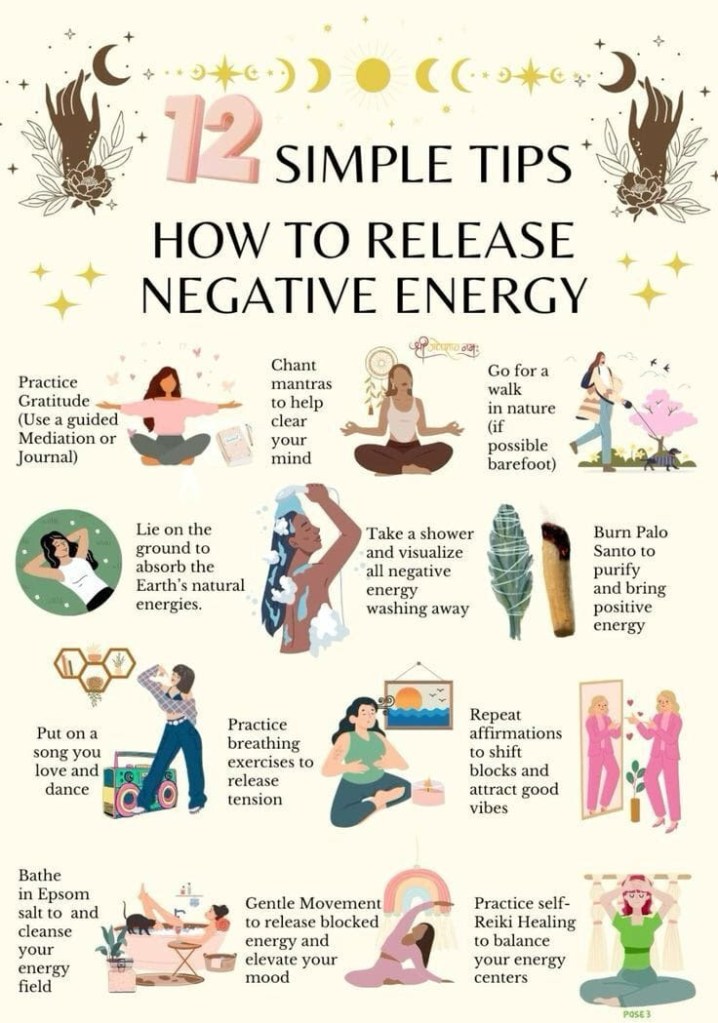
Feeling down? These simple exercises can help you shift your perspective and boost your mood:
1. Brain Dump Your Worries:
2. Indulge in Your Interests:
3. Play Games:
4. Move Your Body:
5. Help Others:
6. Embrace Nostalgia:
Remember, these are just a few simple exercises to help you cultivate a more positive mindset. Find what works best for you and incorporate these practices into your daily routine.
Disclaimer: This information is for general knowledge and informational purposes only and does not constitute medical advice.

Quote of the day:
Worry does not empty tomorrow of its sorrow. It empties today of its strength.
Corrie Ten Boom

We all worry. It’s a natural human response to uncertainty and the unknown. But excessive worry can be detrimental to our mental and emotional well-being.
Here are a few strategies to help you break free from the worry cycle:
1. Change Your Focus:
2. Ask Yourself the Right Questions:
3. Reflect on Past Worries:
4. Differentiate Between Solvable Problems and Imagined Fears:
5. Practice Self-Compassion:
Remember that everyone experiences worry. Be kind to yourself and don’t beat yourself up for having these thoughts.
By implementing these strategies, you can learn to manage your worries more effectively and cultivate a more peaceful and fulfilling life.
Disclaimer: This information is for general knowledge and informational purposes only and does not constitute medical advice. If you’re struggling with excessive worry or anxiety, please consult with a mental health professional.

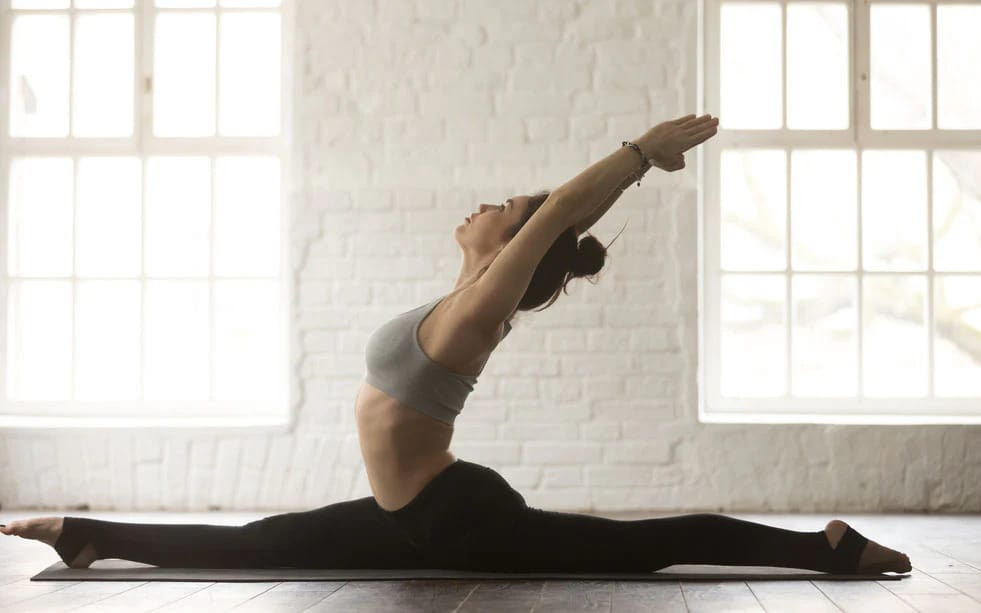
| What is Monkey Pose? |
| Monkey pose, or hanumanasana in Sanskrit, is the yogic version of the splits. In this advance seated posture, the legs are stretched forward and back, and the arms are lifted toward the sky. The pose both requires and develops flexibility in the legs and hips. |
| Instructions |
| Begin kneeling with the fingertips resting on the floor beside the knees.Exhale and stretch the left leg forward. At the same time stretch the right leg back. Keep the weight in the hands.Once the front hamstring and back thigh touch the floor, inhale and lift the arms to the sky.Breathe while holding the pose.Inhale and carefully return to kneeling. Change sides. |


The imposing samurai, known for his fierce demeanor and booming voice, stormed into the Zen master’s serene meditation chamber. “Tell me,” he demanded, “the nature of heaven and hell.”
The Zen master, unfazed, opened his eyes and regarded the samurai with a calm, unwavering gaze. “Why,” he replied, his voice steady and measured, “should I enlighten someone as uncouth and disrespectful as yourself? You, with your shabby appearance and your foul temper, dare to demand answers from me? Begone!”
Insulted and enraged, the samurai roared and drew his sword, preparing to strike down the master.
But as he raised his weapon, the Zen master spoke calmly, “That, my friend, is hell.”
The samurai froze, the sword hovering above him. He felt a surge of icy dread. His anger, he realized, had consumed him, blinding him to reason and driving him towards violence. He had, in that moment, created his own personal hell – a realm of rage, hatred, and self-destruction.
Tears welled up in the samurai’s eyes. He lowered his sword, shamefaced. “Thank you, Master,” he said, bowing deeply. “You have shown me the true nature of hell.”
The Zen master smiled gently. “And that,” he replied, “is heaven.”


You must be logged in to post a comment.