Dancer’s pose, or natarajasana in Sanskrit, is a standing balancing posture that builds both strength and flexibility. It’s most commonly practiced in vinyasa classes. Standing on one foot, the yogi clasps the other foot behind them in a bow shape.
Instructions
From standing, exhale and lift the right foot near the buttocks. Clasp the ankle with the right hand.Inhale and reach the left arm forward.Exhale and stretch the right leg up and back, lifting the toes as high as is comfortable.Breathe while balancing in the pose.
So, how do we transform our self-perception from negative to positive? Can we rewrite the narratives we’ve internalized over time? Can we truly change how we see ourselves? Absolutely. It’s a journey, not an overnight transformation, but these practical strategies can guide you towards a healthier self-image.
1. Release the Need for Perfection
Recognize that life is inherently imperfect. Mistakes are inevitable, and they’re a crucial part of growth. Instead of dwelling on them, embrace them as opportunities to learn and improve. Cultivate humility and trust in your ability to do better next time.
2. Master Your Inner Dialogue
Your inner critic, while sometimes helpful, can also be harsh and unforgiving. Acknowledge its voice, but don’t let it dictate your self-worth. When negative thoughts spiral, interrupt them with a firm “STOP!” and redirect your focus towards constructive self-talk.
3. Embrace Honest Self-Assessment
This step requires courage. It’s challenging to confront our weaknesses and shortcomings objectively. However, by honestly recognizing both your strengths and areas for growth, you gain the power to develop and shine. Ignoring the positive and fixating on the negative only diminishes your self-esteem.
4. Change What You Can, Accept What You Can’t
If there are aspects of your appearance you dislike, explore healthy options for change – a new hairstyle, exercise, or even cosmetic procedures if appropriate. However, know when to draw the line. Don’t fall into the trap of endless pursuit of an unattainable ideal.
Similarly, if you desire greater success, honestly assess your strengths and weaknesses. This allows you to identify areas for improvement and build upon your existing skills. Embrace humility; a willingness to acknowledge what you don’t know is key to learning and growth.
Some things, however, are beyond our control. Learn to cherish these aspects of yourself and focus your energy on cultivating the areas you can influence.
5. Stop Comparing Yourself to Others
It’s tempting, but basing your self-image on comparisons to others is a recipe for frustration. There will always be someone seemingly “better” in some way. Instead, define yourself by your own achievements and strive to improve upon your past self.
Remember the adage, “The grass is greener where you water it.” Focus on nurturing your own growth and celebrating your unique journey.
6. Harness the Power of Daily Affirmations
Affirmations are positive statements that reinforce your self-worth. Recite them daily, focusing on your strengths and accomplishments, no matter how small. This practice can counteract negative self-talk and bolster your self-esteem, particularly during challenging times.
7. Surround Yourself with Supportive People
Cultivate relationships with people who genuinely care about you and offer constructive feedback. Their encouragement and support will play a vital role in your journey towards a positive self-image.
Remember, building a positive self-image takes time and effort. Be patient with yourself, celebrate your progress, and don’t hesitate to seek professional help if needed. You are worthy of love and respect, starting with the love and respect you give yourself.
Your heart possesses a mysterious wisdom. Knowing what, you might wonder? Everything.
In our fast-paced world, we’re constantly bombarded with external stimuli. Our attention is scattered, our senses overwhelmed. How do we shift away from this relentless noise and tune in to the quiet, profound wisdom of our hearts? As Rumi eloquently put it, “Do you pay regular visits to yourself?”
The Heart’s Profound Intelligence
Throughout history, mystics, philosophers, and healers have recognized the heart as the “seat of the soul,” the wellspring of deep intuition and understanding. In yogic traditions, the spiritual heart, or hridaya, is considered the essence of pure consciousness, our ultimate inner guide.
Accessing this heart intelligence is a journey of unfolding, remembering, and discovering. With practice, we can rewire our mind-body connection, unlocking a path toward awakening, liberation, and freedom from the limitations of our stories, thoughts, and beliefs.
The Science of Heart Coherence
Modern science supports the profound connection between heart and mind. Studies suggest that the heart houses around 40,000 neurons, capable of sensation, movement, cognition, and even memory. The heart and brain are in constant communication. When we consciously cultivate emotions like love, compassion, and gratitude, the heart responds with a smoother, more harmonious rhythm. The HearthMath Institute defines heart intelligence as “the flow of awareness, understanding, and intuition we experience when the mind and emotions are brought into coherent alignment with the heart.” This coherence impacts our entire being—neurologically, biochemically, biophysically, and energetically—influencing our perception, thoughts, feelings, and actions. The benefits are numerous, including increased energy, reduced stress, deeper connections with others, enhanced mental clarity, heightened intuition, and improved decision-making.
Embracing Heart-Centered Living
Aligning your body, heart, and brain opens a portal to the profound wisdom within. It enables us to live more freely, wholeheartedly, and lovingly. It unlocks new ideas, desires, and purpose, inspiring us to step boldly towards the authentic life that beckons.
Heart Practices for Daily Life
Heart Meditation: Anchor your attention in your heart. Gently shift your focus from thoughts to the physical sensations in your chest. Place a hand over your heart, creating a loving connection. Listen without judgment or expectation. This is a simple yet powerful way to cultivate intimacy with your own heart.
Heart-Focused Breathing: Breathe as if from the center of your heart, with each breath slow, deep, and steady. As you inhale, visualize feelings of joy, gratitude, and love. As you exhale, release any pain or negativity.
Heart-Based Journaling:
What does your heart long to express?
What matters most to your heart?
Identify one change you can make to align more closely with your heart’s deepest desires.
What unfolds when you trust the call of your heart and let it guide you?
These practices invite you to explore the depths of your heart’s wisdom, guiding you towards a life of greater authenticity, purpose, and joy. Sources and related content
Sweet, heavy but easy on the belly, ‘Orange Millet Pancakes’ will leave you feeling grounded and content without burdening digestion. These pancakes break away from the simple flour, eggs and milk combination you may have enjoyed growing up, and replace traditionally difficult to digest wheat flour with a combination of ground almonds and millet.
These pancakes balance Vata and Pitta, but aggravate Kapha. Millet is a lighter grain that doesn’t sit heavy in the stomach. Its astringent and slightly diuretic qualities mean it’s a better option for Kapha types than wheat, but this recipe is still too heavy and sweet for them. The oiliness of ghee and heaviness of eggs means these pancakes are balancing for Vata, unless the diuretic nature of millet increases the urge to urinate excessively. Sweet and gooey, this recipe soothes and cools an overheated digestive tract, making it most suitable for Pitta types.
Ingredients
1/2 c MAPLE SYRUP
3/4 c ALMONDS
2 tbsp GHEE
2 tbsp RAW SUGAR
1 tbsp ORANGE ZEST
2 whole EGGS
2 c ALMOND MILK
2 whole ORANGE
2 tsp BAKING SODA
1 c MILLET
1/2 tsp CINNAMON
1/2 tsp NUTMEG
Instructions
Notes on Ingredients:
Replace almonds with almond flour.
Replace millet with millet flour.
1. Combine millet flour, almond flour, sugar, baking soda and nutmeg in a large bowl.
2. In a separate bowl, whisk together eggs and almond milk.
3. Combine wet and dry ingredients until smooth.
4. In a non stick pan, heat a little ghee. When very hot, ladle in some pancake mix.
5. Cook for 2-3 minutes until you can see some bubbles rising on the pancake, then flip. Cook until golden brown on both sides.
6. To make the orange sauce, heat maple syrup, the juice of oranges and a pinch of orange zest in a pan until warm.
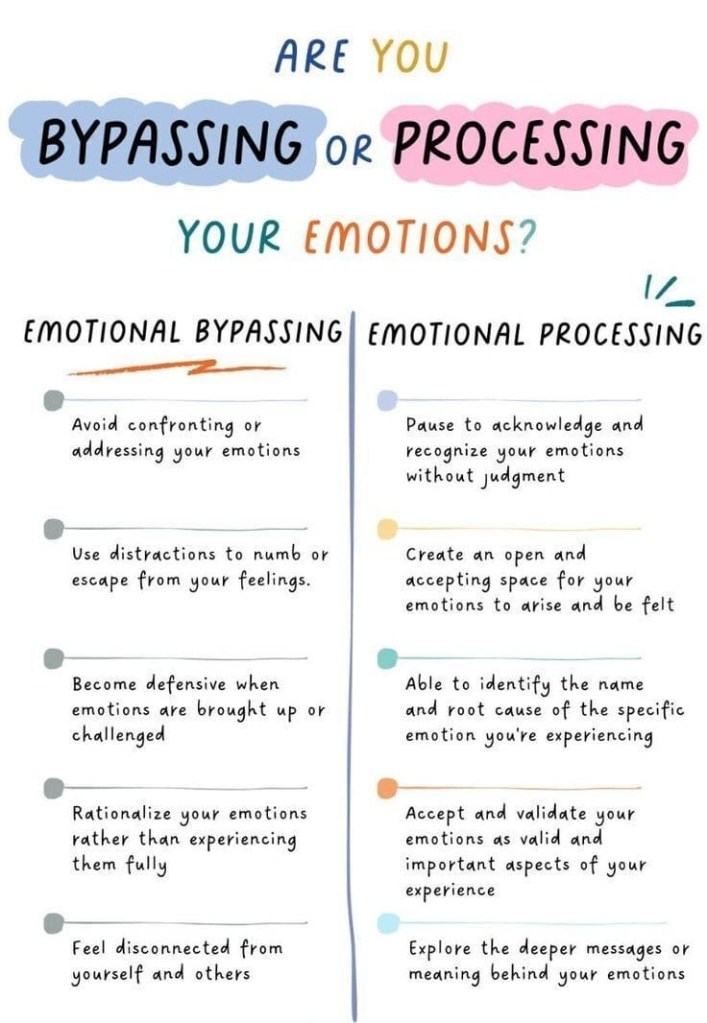
Empaths are highly attuned to their environment. They possess an innate sensitivity to their surroundings, perceiving not only the physical world but also the subtle emotional currents flowing beneath the surface. They are keen observers of others, with a profound understanding of human sentiments, motivations, and feelings. This natural empathy makes them compassionate listeners and trustworthy confidants. However, their heightened sensitivity can also leave them susceptible to emotional hurt, often being labeled as “too sensitive.”
Empaths readily absorb emotions and feelings. Empaths experience the full spectrum of human emotions, sometimes to an overwhelming degree. This capacity for profound connection fosters deep bonds with others but can also have negative consequences. Their strong social bonds make them susceptible to absorbing the moods and emotions of those around them, whether it’s infectious joy and optimism or draining anger and fear.
Many empaths are introverted. While not all introverts are empaths, and vice versa, many empaths tend to gravitate towards smaller, familiar social circles of close friends and family. This preference stems from their vulnerability to feeling overwhelmed in large crowds or unfamiliar settings. Even extroverted empaths often limit their exposure to such environments, seeking solace in solitude to recharge and avoid emotional overload.
Empaths are intuitive. Their heightened awareness of their own emotions and feelings often translates into a strong intuitive sense. Empaths trust their gut instincts, especially when discerning their feelings about others. This intuition allows them to perceive subtle cues and anticipate situations long before others might. By heeding their intuition, empaths can navigate life’s complexities with greater ease and protect themselves from harmful influences.
Empaths require alone time. Social interactions, especially with those who are emotionally draining or self-centered, can leave empaths feeling depleted. They need time to decompress and recover from such encounters. Solitude provides a sanctuary for restoration, shielding them from emotional overload. This preference often extends to travel, with empaths favoring solo adventures over group excursions, allowing them the freedom to set their own pace and avoid the energy drain of large groups.
Intimate relationships can be overwhelming. Empaths need to find a balance between their need for alone time and the desire for close connections. Too much intimacy can feel stifling, leading to a fear of losing their individuality. This can make entering or maintaining intimate relationships challenging for empaths.
Empaths often attract emotionally unstable individuals. Unfortunately, empaths can become targets for those lacking emotional stability. Their sensitivity and compassion may be exploited, leaving them feeling drained and even unappreciated. Narcissists, pessimists, drama queens, and other emotionally volatile individuals can leave empaths feeling unworthy or unlovable. It’s essential for empaths to recognize these patterns and prioritize their well-being, setting boundaries or distancing themselves from such relationships, no matter how difficult it may seem.
Overall, these traits shed light on the unique experiences and challenges faced by empathic individuals. Understanding these characteristics can empower empaths to navigate the world with greater self-awareness and compassion, both for themselves and others.








 Anna Godfrey
You must be logged in to post a comment.