Light as a feather, sweet, and aromatic, you’ll never feel as pampered as the moment you take a bite of Saffron Milk Thousand Layer Crepe Cake. Easy to griddle (you might say it’s a piece of cake!) and without an oven, thousand layer crepe cakes can be served with many flavors. Served here as a perfumed pistachio milk delicacy reminiscent of the silk road. Served here as a perfumed saffron milk delicacy reminiscent of the silk road. French cuisine meets the Middle East!
Sweet saffron pacifies strong Pitta appetite and melts vata’s anxieties. Serve when emotions run high to feel relaxed and happy. This dessert will provokes Kapha when taken in excess.
Ingredients
1/4 c RAW SUGAR
2 c WATER
2 c MILK
1 tsp SALT (MINERAL SALT)
1 whole VANILLA BEAN
1 tsp ROSE WATER
1 c WHOLE WHEAT FLOUR
2 pinch SAFFRON
Instructions
1. Grind saffron and soak in 1 tbsp hot water. Bring milk to a boil then add 1c milk, vanilla, 3 tbsp sugar, & rose water for the saffron milk.
2. Mix the remaining ingredients for the crepes. The crepe batter should be thin. Griddle up to 10 crepes on a hot plate and stack them aside in a deep dish. Pour saffron milk over dish and serve.
“I can be changed by what happens to me. But I refuse to be reduced by it.”
Maya Angelou
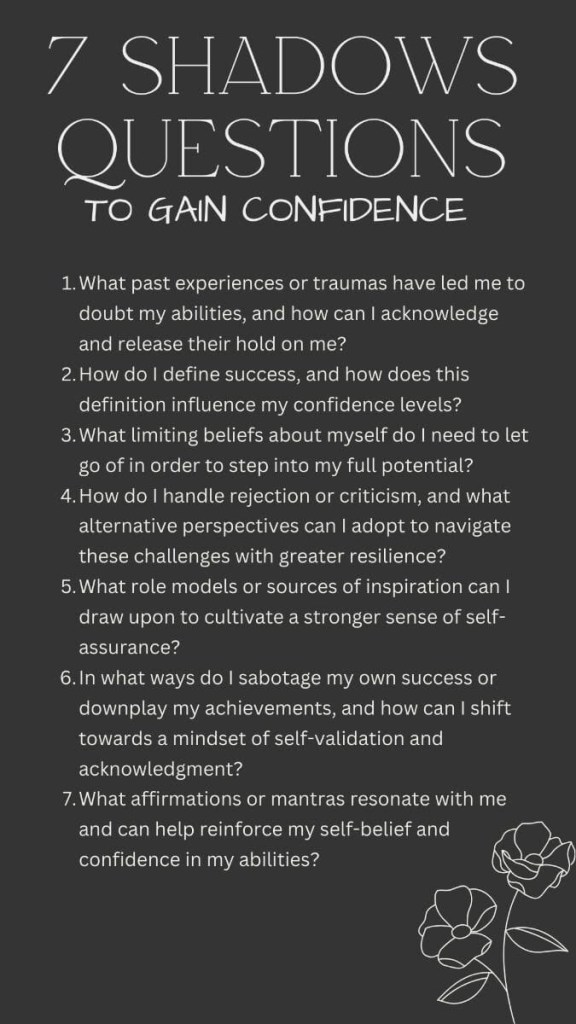
Self-doubt can be a sneaky thief, robbing us of joy and confidence. But what if you could reclaim your self-worth and embrace your authentic self in just seven days? This challenge is designed to help you shift your mindset, cultivate self-love, and build a stronger, healthier relationship with yourself.
Day 1: Become Aware of Your Inner Critic
Pay attention to the negative thoughts that pop up throughout the day. Write them down and challenge their validity. Ask yourself: “Would I say this to a friend?” Replace those harsh judgments with kind, affirming statements.
Day 2: Celebrate Your Strengths
Take 15 minutes to list your talents, achievements, and qualities you admire about yourself. No accomplishment is too small! Read this list aloud to remind yourself of your amazing capabilities and inherent worth.
Day 3: Cultivate Gratitude
Shift your focus from what you lack to what you already possess. Write down three things you’re grateful for about yourself – your resilience, your sense of humor, your creativity, or anything else that comes to mind. Gratitude is a powerful antidote to self-doubt.
Day 4: Set a Self-Love Goal
Identify one area where you’d like to show yourself more love and care. Perhaps it’s prioritizing rest, pursuing a creative passion, or setting boundaries in your relationships. Commit to one actionable step to move towards this goal.
Day 5: Affirm Your Awesomeness
This might feel a little awkward at first, but trust the process! Stand in front of a mirror and speak kind words to yourself. Say affirmations like, “I am enough,” or “I deserve love and respect.” Repeating these affirmations can profoundly shift your self-perception over time.
Day 6: Embrace Your Imperfections
Choose one of your perceived “flaws” and celebrate it! Recognize that your imperfections make you unique and contribute to your beautiful complexity. Reflect on how this “flaw” has shaped your character or helped you grow.
Day 7: Reflect and Celebrate Your Journey
Take some time to reflect on the past week. What shifts have you noticed in your thoughts and feelings towards yourself? Celebrate your progress, no matter how small, and commit to continuing your self-love journey beyond these seven days.
Self-love isn’t a destination; it’s an ongoing practice. By completing this challenge, you’re taking a powerful step towards embracing your authentic self. Continue nurturing this relationship with yourself – it’s the foundation for a happier, more fulfilling life.
Supine spinal twist pose, or supta matsyendrasana in Sanskrit, is a beginner’s reclining twist. From a supine position, the yogi bends the right leg and lowers the knee to the left. The right arm stretches to the right while the left hand gently presses down on the knee. The posture is then repeated on the other side. It’s a very accessible and simple twist, which makes it great for beginners.
Instructions
Begin on your back.Exhale and bend your right leg, knee toward the sky.Inhale and reach your right arm to the right, palm on the ground.Place your left hand on your right knee.Exhale and lower your knee to the left. Turn your head to the right.Breathe while holding the pose.On the next inhale, come back to center and straighten your right leg.Exhale and bend your left leg, knee toward the sky.Inhale and reach your left arm to the left, palm on the ground.Place your right hand on your left knee.Exhale and lower your knee to the right. Turn your head to the left.Breathe while holding the pose.
Two Zen teachers, Daigu and Gudo, were invited to visit a lord. Upon arriving, Gudo said to the lord: “You are wise by nature and have an inborn ability to learn Zen.”
“Nonsense,” said Daigu. “Why do you flatter this blockhead? He may be a lord, but he doesn’t know anything of Zen.” So, instead of building a temple for Gudo, the lord built it for Daigu and studied Zen with him.
Tired of counting sheep? If you’re struggling to get a good night’s sleep, you’re not alone. In today’s fast-paced world, sleep problems are rampant. But what if the key to better sleep lies in calming your mind, not counting sheep?
Enter mindfulness. By shifting your focus to the present moment and relaxing your body, mindfulness practices can pave the way for restful sleep. Here are some science-backed techniques to help you drift off effortlessly:
1. Breathe Your Way to Sleep:
Start with a simple breathing exercise. Try the 4-7-8 technique:
Inhale deeply through your nose for a count of 4.
Hold your breath for a count of 7.
Exhale slowly through your mouth for a count of 8.
This 1 rhythmic breathing pattern slows your heart rate, calms your mind, and signals to your body that it’s time to rest.
Lie down in bed and bring your attention to your body, starting with your toes. Slowly scan your body, moving upwards towards your head. Notice any areas of tension and consciously relax each muscle group as you go. This practice not only releases physical tension but also helps shift your focus away from worries and racing thoughts.
3. Escape to Your Happy Place:
Close your eyes and visualize yourself in a peaceful setting. Imagine a tranquil beach, a serene forest, or any place that brings you a sense of calm. Engage all your senses – hear the sounds, feel the textures, and smell the aromas of your imaginary oasis. This immersive visualization calms an overactive mind and prepares it for sleep.
4. Count Your Blessings:
Before bed, take a few minutes to jot down three things you’re grateful for. Reflecting on positive experiences shifts your focus away from stress and cultivates a sense of contentment, making it easier to relax and fall asleep.
5. Stretch and Unwind:
Gentle stretches or yoga poses like Child’s Pose or Legs-Up-The-Wall can help release physical tension and signal to your body that it’s time to wind down. Pair this with deep breathing for an extra dose of calm.
Why Mindfulness Works Wonders for Sleep
Mindfulness practices have been shown to:
Reduce cortisol levels (the stress hormone)
Enhance melatonin production (the sleep hormone)
Create a mental “buffer” between your busy day and bedtime
This powerful combination makes it easier to fall asleep and stay asleep throughout the night.
Ready to reclaim your sleep? Incorporate these mindfulness practices into your nightly routine and say goodbye to sleepless nights. Sweet dreams!










You must be logged in to post a comment.