Tuning In: The Power of Body Scans

Quote of the day…

“Focus on rewarding and praising yourself instead of degrading and punishing yourself. You’ll get far better results!”

Akiroq Brost

We often rush through our days, disconnected from our own bodies. We push through fatigue, ignore aches and pains, and rarely take the time to truly listen to what our bodies are trying to tell us.

Introducing Body Scans:

A body scan is a simple mindfulness practice that involves systematically bringing your attention to different parts of your body. By observing sensations without judgment, you can:

  • Increase body awareness: Become more attuned to subtle physical sensations like tension, pain, and relaxation.
  • Reduce stress and anxiety: By bringing your attention to the present moment, you can calm your mind and reduce feelings of stress and anxiety.
  • Improve sleep: A body scan can be a helpful relaxation technique before bed, promoting restful sleep.
  • Enhance self-care: By understanding your body’s signals, you can make more informed choices about your health and well-being.

How to Perform a Body Scan:

  1. Find a comfortable position: Lie down or sit comfortably with your spine erect.
  2. Bring your attention to your breath: Gently observe the natural rhythm of your breath, without trying to control it.
  3. Scan your body: Gradually shift your attention to different parts of your body, starting from your toes and moving upwards.
    • Notice any sensations – warmth, tingling, tension, or relaxation.
    • Acknowledge these sensations without judgment.
  4. Continue scanning: Move slowly and deliberately, paying attention to your feet, ankles, calves, knees, thighs, hips, abdomen, chest, back, shoulders, arms, hands, neck, face, and head.
  5. Return to your breath: After scanning your entire body, gently bring your attention back to your breath and rest for a few moments.

Tips for Effective Body Scans:

  • Start with short sessions: Begin with 5-10 minutes and gradually increase the duration as you become more comfortable.
  • Practice regularly: Even a few minutes of practice each day can make a significant difference.
  • Be patient and kind to yourself: Don’t worry if your mind wanders. Gently bring your attention back to your body.
  • Explore guided meditations: There are many guided body scan meditations available online and through meditation apps.

By incorporating body scans into your daily routine, you can cultivate a deeper connection with your body, reduce stress, and enhance your overall well-being.

Boost Your Confidence: Create Your Own Affirmation Jar

Quote of the day…

“Count your age by friends, not years. Count your life by smiles, not tears.”

John Lennon

Life throws curveballs. One moment you’re soaring high, the next you’re facing unexpected challenges. When self-doubt creeps in and negativity threatens to overwhelm, a little boost of positivity can make all the difference. That’s where an “affirmation jar” comes in.

What is an Affirmation Jar?

Simply put, an affirmation jar is a container filled with positive messages to uplift and inspire you. Think of it as your own personal source of encouragement and motivation.

Creating Your Affirmation Jar:

  1. Gather your materials: You’ll need a jar or box, small pieces of paper, and pens or markers.
  2. Write your affirmations: Brainstorm a list of positive affirmations that resonate with you. Here are a few examples:
    • “I am strong and capable.”
    • “I am worthy of love and happiness.”
    • “I am grateful for all that I have.”
    • “I am proud of myself.”
    • “I am learning and growing every day.”
  3. Create your affirmations: Write each affirmation on a separate piece of paper.
  4. Decorate your jar: Get creative! Decorate your jar with ribbons, stickers, or paint to make it visually appealing.
  5. Fill your jar: Fold the affirmation slips and place them inside your jar.

Using Your Affirmation Jar:

Whenever you’re feeling down, discouraged, or in need of a little extra motivation, simply reach into your jar and pull out a random affirmation. Read the message aloud and allow it to uplift and inspire you.

The Power of Positive Affirmations:

Affirmations can be a powerful tool for:

  • Boosting self-esteem: By reminding you of your strengths and worth.
  • Reducing stress and anxiety: By promoting a more positive and optimistic mindset.
  • Overcoming self-doubt: By encouraging you to believe in yourself and your abilities.
  • Cultivating a more positive outlook: By shifting your focus from negativity to positivity.

So, why not give it a try? Create your own affirmation jar and experience the power of positive self-talk for yourself.

Taming Your Reactivity: Strategies for Emotional Mastery

Quote of the day:

“As we work to create light for others, we naturally light our own way.”

Mary Anne Radmacher

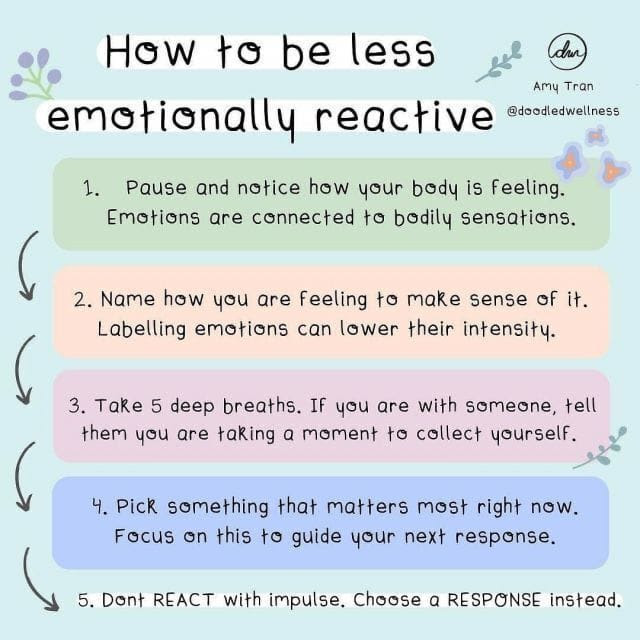
Do you find yourself easily triggered by minor inconveniences? Do you often feel overwhelmed by your emotions, leading to arguments and strained relationships? If so, you may be experiencing high emotional reactivity.

Recognizing the Signs of Emotional Reactivity:

  • Overreacting to minor events: Feeling disproportionately upset or angry over small issues.
  • Frequent outbursts: Experiencing sudden and intense emotional explosions.
  • Difficulty controlling anger: Struggling to manage anger and frustration in a healthy way.
  • Taking things personally: Feeling offended or hurt easily by the words or actions of others.
  • Blaming others for your emotions: Attributing your negative emotions to external factors rather than taking responsibility for your own reactions.

Strategies for Reducing Emotional Reactivity:

  1. Pause Before Reacting:
  • Practice mindfulness: Take a deep breath and observe your emotions without judgment.
  • Count to ten: Give yourself time to calm down before responding.
  • Ask yourself: “Is this reaction proportionate to the situation?”
  1. Identify Your Triggers:
  • Observe your patterns: Pay attention to situations, people, or events that tend to trigger strong emotional reactions.
  • Journal your emotions: Keeping a journal can help you identify recurring patterns and triggers.
  • Seek professional help: A therapist can help you identify and address the root causes of your emotional reactivity.
  1. Practice Self-Compassion:
  • Treat yourself with kindness: Acknowledge that everyone makes mistakes and that it’s okay to have difficult emotions.
  • Focus on self-care: Prioritize activities that nourish your mind, body, and soul, such as exercise, mindfulness, and spending time in nature.
  1. Develop Healthy Communication Skills:
  • “I” statements: Express your feelings and needs assertively using “I” statements (e.g., “I feel hurt when…” instead of “You always…”).
  • Active listening: Practice active listening skills, such as paying attention, reflecting, and asking clarifying questions.
  1. Replenish Your Energy:
  • Prioritize self-care: Make sure you’re getting enough sleep, eating a healthy diet, and engaging in regular physical activity.
  • Reduce stress: Identify and minimize sources of stress in your life.

Remember, reducing emotional reactivity is an ongoing process. Be patient with yourself, celebrate your progress, and seek support when needed.

Disclaimer: This information is for general knowledge and informational purposes only and does not constitute medical advice. If you are struggling with significant emotional reactivity, please consult with a mental health professional.

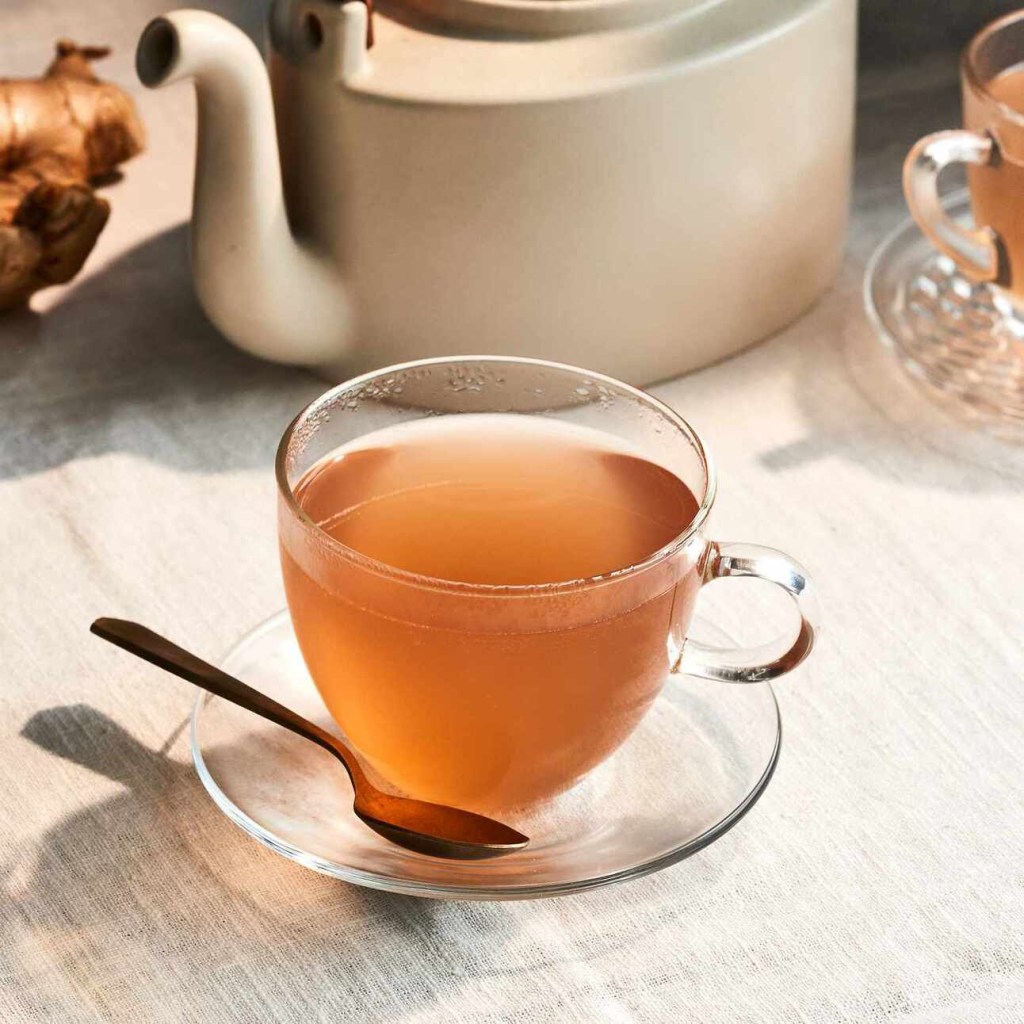
Ayurveda Recipes: Vata Balancing Tea With Ginger & Cardamom

Enjoy the pungent and sweet aroma of ginger in this Vata balancing tea. Aromatic cardamom and lime juice bring springtime freshness with your first sip. The spices and the sweetness of the raw sugar brings a festive, smile-inducing flair.
This tea is perfect for the late afternoon when you are looking for a little pep and zing to break through your tiredness or brain fog. It will refresh your energy, wake you up and clear your mind. It will leave your mouth with a fresh and clean feel.
If you are experiencing a sluggish, heavy or cold digestion, drink this tea to give it a boost. It is warming, light and the pungency of the ginger will increase digestion. Cardamom stimulates a downward energy. And the sourness of lime releases secretions. This combination is absolutely perfect to improve digestion.
Ingredients
1/4 inch GINGER (FRESH)
1/4 tsp RAW SUGAR
1/8 whole LIME
2 pinch CARDAMOM
Instructions
Steep 3-5 minutes in 1c hot water.

The Illusion of Happiness: Navigating Ego-Driven Emotions

Quote of the day…

“A happy person is not a person in a certain set of circumstances, but rather a person with a certain set of attitudes.”

Hugh Downs

We all experience a range of emotions, from joy and excitement to sadness and anger. But are all emotions created equal? This article explores the difference between ego-driven emotions and deeper, more authentic states of being.

The Impact of Negative Emotions:

Negative emotions like anger, fear, and resentment can have a profound impact on our physical and mental health. These emotions disrupt the body’s natural equilibrium, impacting our immune system, digestive system, and overall well-being.

The Illusion of Ego-Driven Happiness:

While positive emotions seem desirable, not all happiness is created equal. Ego-driven happiness, often fueled by external validation, is fleeting and inherently unstable.

  • The fleeting nature of external validation: The joy of praise and recognition can quickly turn to despair when faced with criticism or disapproval.
  • The illusion of control: The ego often seeks to control external circumstances, leading to disappointment and frustration when things don’t go as planned.
  • The inevitable “down” after the “high”: The excitement of a party can quickly give way to exhaustion and a sense of emptiness.

Finding True Joy: Connecting with Your Authentic Self

True joy, however, arises from a deeper source – a connection to your authentic self and the underlying state of Being. This is a state of peace, love, and joy that is not dependent on external circumstances.

Key Takeaways:

  • Recognize the impact of ego-driven emotions: Become aware of how your emotions are influenced by external factors and the ego’s desire for control.
  • Cultivate inner peace: Practice mindfulness, meditation, and other practices that help you connect with your inner self.
  • Embrace the present moment: Focus on the present moment instead of dwelling on past regrets or future anxieties.

By cultivating a deeper connection to your authentic self, you can experience a more lasting and fulfilling sense of joy and well-being.

Disclaimer: This information is for general knowledge and informational purposes only and does not constitute medical advice.