Mastering the Art of Response: The 4 P’s Formula for Calm and Clarity

Life throws curveballs, both big and small. A traffic jam, a botched presentation, a missed marathon checkpoint, a household mishap, a disagreement with a loved one… these moments can easily trigger knee-jerk reactions. But what if there’s a way to navigate these challenges with composure and wisdom? Enter the 4 P’s: a simple yet powerful formula for responding, not reacting.

The 4 P’s in Action:

  1. Pause: In the face of a challenge, take a deep breath or two. Create a moment of stillness amidst the chaos, allowing yourself to gather your thoughts and regain your composure.
  2. Process: Acknowledge the emotions you’re experiencing. Label them without judgment: “I feel frustrated,” “I’m feeling overwhelmed.” Remind yourself, “This is simply what’s happening right now. I’m doing my best.”
  3. Plan: With a clearer mind, create a strategic plan for moving forward. Consider the resources and skills at your disposal, and identify the most effective course of action.
  4. Proceed: With a well-thought-out plan in place, take deliberate action.

The Transformative Power of Responding

As you practice responding instead of reacting, you’ll notice a shift not only in your decision-making but also in your sense of self. You’ll tap into a deeper part of yourself – a stable core that remains grounded even amidst life’s turbulence. This is the part of you that observes, reflects, and chooses wisely, acting as the canvas upon which life’s experiences unfold.

Reacting often leads to a sense of fusion with the situation, creating an emotional rollercoaster. Responding, on the other hand, creates a healthy distance between your core self and the ever-changing circumstances of life. This empowers you to navigate challenges with greater clarity, resilience, and inner peace.
Toxic Friendships: Spotting the Signs and Breaking Free

Identifying a Toxic Friend

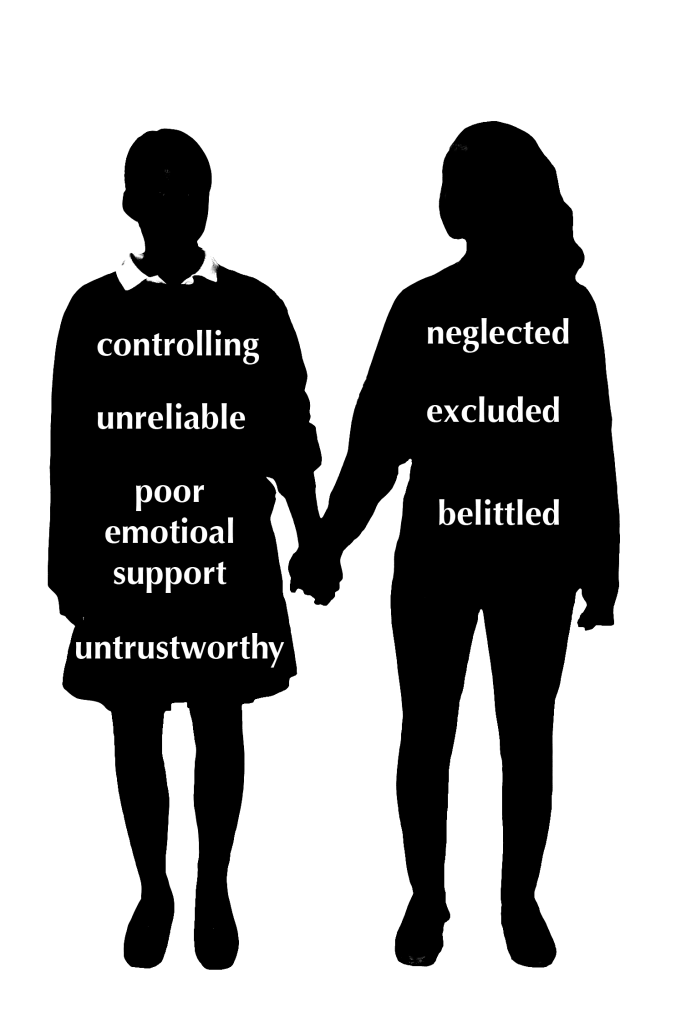
Toxic friendships can drain your energy and negatively impact your well-being. Recognizing the signs of a toxic friend is essential for safeguarding your mental and emotional health. A toxic friend might:

  • Perpetuate Negativity: They consistently bring a cloud of pessimism and negativity to your interactions.
  • Judge without Empathy: They are overly critical and quick to judge, lacking understanding or compassion.
  • Harbor Jealousy: They are envious of your successes and happiness, rather than celebrating them.
  • Seek Control: They attempt to dominate your life and dictate your choices, undermining your autonomy.
  • Manipulate and Exploit: They use you for their own benefit, disregarding your feelings and needs.
  • Crave the Spotlight: They always need to be the center of attention, overshadowing your experiences.
  • Evade Responsibility: They refuse to acknowledge their mistakes and consistently shift blame onto others.

If any of these traits resonate with a friend in your life, it’s time to reassess the relationship. Surrounding yourself with positive influences is crucial. Life is too precious to waste on friendships that leave you feeling depleted and undervalued.

Liberating Yourself from Toxic Ties

If you consistently feel drained after spending time with certain friends, it might be time to set boundaries or even sever ties. Here are some warning signs:

  • Feeling Worse After Interactions: Do you often feel emotionally exhausted or even worse about yourself after spending time with them?
  • Constant Negativity: Do they consistently express negativity, leaving you feeling down and discouraged?
  • Drama and Gossip: Do they thrive on stirring up conflict and spreading rumors about others?
  • One-Upmanship and Undermining: Do they constantly try to one-up you or make you feel inferior?
  • Self-Centeredness: Do they only reach out when they need something from you?
  • Lack of Respect for Boundaries: Do you always find yourself doing what they want, even when it goes against your wishes?

If these behaviors sound familiar, it’s time to begin distancing yourself from this person. Start by gradually reducing the time you spend with them, and eventually, if necessary, cut ties completely. Don’t hesitate to prioritize your well-being; healthy relationships are built on mutual respect and support.

Remember: It can be painful to realize that you need to let go of a friendship. However, it’s crucial to recognize that toxic behavior, even from someone you care about, is detrimental. Trust your instincts and choose to cultivate relationships that uplift and empower you.

Seated Forward Bend Pose (Paschi mottanasana)

What is Seated Forward Bend Pose?
Seated forward bend pose, or paschimottanasana, stretches the spine while stimulating digestion. In this posture, the legs are outstretched and the hands clasp the feet, ankles or calves in a forward bend.
Instructions
Sit with your legs stretched in front of you and together.Reach your arms up with an inhale to lengthen your spine.Fold forward with an exhale.Clasp the outsides of your feet, ankles or calves, depending on your flexibility.Relax your head so that it’s in line with your spine.Breathe while you hold the pose.

Redirect your mind to a positive thought or activity

Try to identify a thought or action that you associate with calm. Maybe it’s taking a short break to make some tea or listening to music that’s more upbeat. When it’s not feasible to change activities, use mental imagery to travel somewhere that brings you comfort. Go to your happy place, so to speak.

When Feelings Fade: Navigating the Landscape of Emotional Numbness

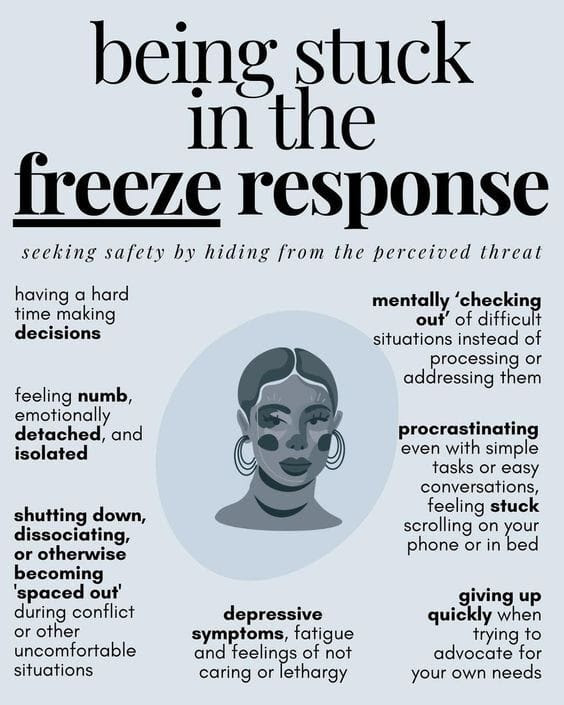
Many describe moments of feeling “flat” or disconnected, as if life is unfolding on autopilot. Colors seem muted, events and interactions lack their usual vibrancy. This emotional numbness might manifest as persistent exhaustion, a sense of detachment, difficulty concentrating, or even losing track of time. Connecting with others becomes challenging, potentially fostering feelings of loneliness and isolation.

Often associated with depression, this phenomenon, clinically termed “affective blunting,” can also accompany other mental health conditions or medication side effects. It might even intertwine with depersonalization or dissociation – a feeling of being disconnected from oneself, one’s emotions, or one’s surroundings, often triggered by past trauma.

Unraveling the ‘Why’

While there’s no single answer, experts suggest that emotional numbness might arise from an overload of stress hormones in the limbic system, the brain region governing memory and emotional regulation.

Stressful situations can deplete both our physical and emotional reserves. When these converge, a sense of exhaustion and numbness may take hold. Numbness might also serve as a defense mechanism, shielding us from overwhelming pain or trauma. This is particularly relevant for those with a history of trauma or those navigating high-stress environments.

Conditions like anxiety, depression, and PTSD are often linked to emotional numbness. Similarly, certain dissociative disorders, often stemming from trauma, can manifest as a feeling of detachment, as though observing oneself from outside the body.

When Numbness Takes Hold: Strategies for Coping

  • Grounding Techniques: If you find yourself feeling numb and disconnected, gently guide your awareness back to your body and surroundings using grounding exercises, often recommended for managing anxiety and PTSD. These can be physical or mental:
    • Focus on your breath, observing its natural rhythm as it enters and leaves your body.
    • Hold a familiar object, noticing its texture, weight, and temperature.
    • Take in the colors around you, identifying five objects of a particular color.
    • Hold an ice cube and describe the sensations as it melts.
    • Listen intently to a favorite song, paying attention to the emotions it evokes.
  • Expressing Pent-Up Anger: If you suspect your numbness stems from suppressed anger, consider healthy outlets for release:
    • Throw stones into a lake or the ocean.
    • Try kickboxing or spend a day at a batting cage.
    • Explore the controlled environment of a Rage Room, where you can safely vent frustrations.

Remember: If emotional numbness persists or significantly impacts your daily life, seeking professional help is crucial. A mental health professional can provide tailored guidance and support in navigating this challenging experience.

Additional Considerations

  • Self-Care: Prioritize sleep, nutrition, and exercise, as they contribute to overall well-being and emotional resilience.
  • Creative Expression: Engage in activities that encourage emotional exploration, such as journaling, art, or music.
  • Connection: Cultivate meaningful connections with supportive friends, family, or a therapist. Sharing your experience can be incredibly therapeutic.

Overall, while emotional numbness can be distressing, understanding its roots and employing coping strategies can pave the way toward healing and reconnection with your emotions.