Ayurveda Recipes: Egg Baked In Avocado

Treat yourself to ‘Eggs Baked in Avocado’ for your weekday or weekend brunch. This meal is so simple to prepare from the comfort of your own kitchen, but boasts a restaurant feel. Heavy, oily but still easy to digest, this dish nourishes the body and builds strength. You’ll be satisfied all day after eating. It goes great with some fresh sourdough toast too!
Ingredients
8 g CILANTRO
4 whole EGGS
2 c AVOCADO
1 whole LIME
1/2 tsp CUMIN
2 pinch RED PEPPER FLAKES (CHILI)
Instructions
1. Preheat oven to 450F.
2. Cut 2 whole avocados in half and remove the stones.
3. Scrape out the hollow slightly so it is large enough to fit an egg (it’s ok if some eggs spills out!).
4. Over the avocado halves, add a squeeze of lime juice and sprinkle of cumin powder.
5. Crack an egg into each of the hollows and place on a baking tray.
6. Bake for about 15 minutes, until white is fully cooked but yolk still slightly soft.
7. Remove from the oven and add a pinch of red pepper flakes, lime zest and the fresh cilantro leaves to each.

Practices to Achieve Inner Peace

Practices to Achieve Inner Peace
1. Meditate
Even though it’s a straightforward practice, meditation has a significant impact on mental health. It fosters calmness and a more profound sense of tranquility.
How can one practice meditation? Find a cozy spot away from the hustle and bustle. Shut your eyes, inhale deeply, and exhale gradually. It only takes a few minutes and can have significant results, so don’t stress over perfection. Remember, resources like Calm are here to help. To assist you in developing your meditation practice, we offer hundreds of programs and meditations.
2. Live in the present
How frequently do you feel like you’re living in the past or worrying about the future? Like most of us, most likely quite a bit. However, as you are aware, we only really have the time we are in. Accept it and live it. Life unfolds in the now.
How to live in the present? Strive to give your whole attention to whatever you’re doing, whether it’s eating, walking, or even cleaning. Take note of the sights, sounds, smells, and feelings around you. It’s like giving your brain a mini-vacation and the effect induces a sense of inner peace.
3. Cultivate a positive mindset
Our minds are powerful things. They can act as our greatest ally or our worst enemy. Everything depends on how we employ them. We begin to acquire inner peace when we learn how to focus on the positive and cultivate a positive mindset.
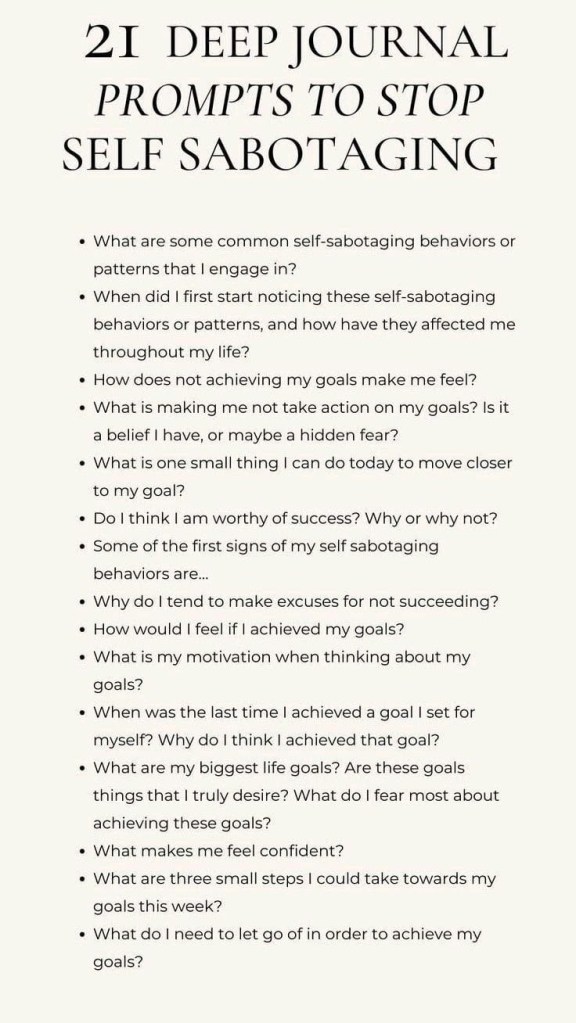
How to cultivate a positive mindset? Kickstart your day on a positive note. Jot down what you’re excited about or what you’re grateful for in a journal. Cross out any negative thoughts that might try to creep in and replace them with something constructive.
4. Develop love for yourself
Self-love is the foundation for loving others. That’s not always an easy journey. We get it. However, the goal of achieving inner peace is to discover how to value your unique identity, embrace your shortcomings, and adore your talents. You are uniquely you, and that’s something to celebrate.
How can one learn to love oneself? Take a moment to write down what you love about yourself. If you hit a speed bump or two, imagine your best friend. What would they say they love about you?
5. Practice self-care
It is not a luxury to take care of our mental, emotional, and physical health; rather, it is essential. Remember to schedule time each day for yourself. It’s not only that you deserve it, but it’s also a crucial step in developing inner serenity via self-love.
What is a self-care routine? Schedule in some ‘you-time.’ Yes, that means put it in the calendar and stick to it! Spend the time on whatever you like — a thrilling novel, a soothing bath, a peaceful walk in nature, or even some relaxing yoga.
6. Visualize a peaceful place
Visualizing a happy or peaceful place engages your mind in a positive and calming way, acting as a form of mental escape from stressors and fostering a sense of inner peace.
How can I picture your serene space? Close your eyes and think of a place where you feel utterly at peace. It might be a forest, a beach, or simply a recollection. What can you hear, smell, or see? When stress starts to creep in, visit this place in your mind.
 

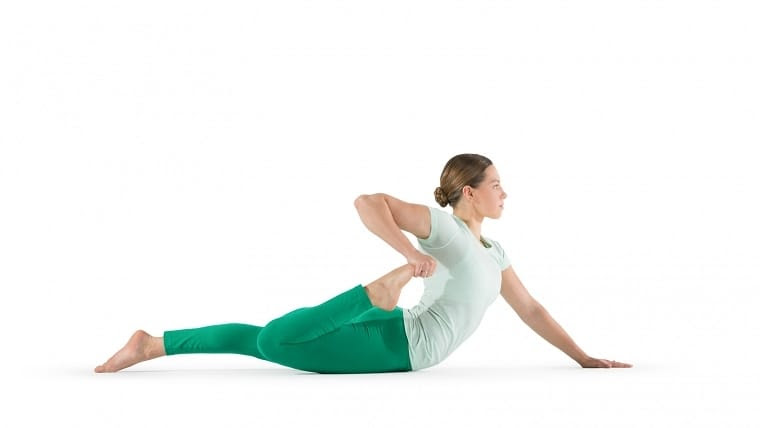
Half Frog Pose (Ardha Bhekasana)

What is Half Frog Pose?
Half frog pose, or ardha bhekasana in Sanskrit, is usually used to stretch the quadriceps and deep hip flexors. From a prone position, one foot is held near the buttocks while the yogi supports their uplifted torso with their other arm.
Instructions
Lie on the belly with the forearms on the floor and parallel.Exhale and bend the right foot in toward the buttocks. Hold the foot with the right hand, fingers pointing forward and elbow toward the sky.To deepen the posture, straighten the left arm.Breathe while holding the pose.

Moving Mind

Two men were arguing about a flag flapping in the wind.
“It’s the wind that is really moving,” stated the first one. “No, it is the flag that is moving,” contended the second.
A Zen master, who happened to be walking by, overheard the debate and interrupted them. “Neither the flag nor the wind is moving,” he said, “It is MIND that moves.”

Healthy vs unhealthy boundaries

Healthy vs unhealthy boundaries
How do you know if a boundary is healthy…or not? It’s important to recognize that healthy boundaries help to protect and respect you; an unhealthy boundary seeks to control or harm someone else. “I need space to hang out with my friends and do things I enjoy on my own” would be a good example of a healthy boundary. But if your partner says, “I need you to stop talking to other guys/girls because you might cheat/I get jealous,” that’s not a healthy boundary; it’s a warning sign that your partner may have some trust issues and is trying to control who you hang out with. Here are some more great examples of healthy/unhealthy boundaries!
The following comparisons highlight the difference between healthy and unhealthy boundaries.
Healthy: Being your own person.
Unhealthy: Feeling incomplete without the other person.
Healthy: Accepting responsibility for your own happiness.
Unhealthy: Relying on others (especially your partner) to make you happy.
Healthy: Being able to balance separateness and togetherness.
Unhealthy: Wanting either too much or too little togetherness.
Healthy: Having meaningful friendships outside the partnership.
Unhealthy: Being unable to build and maintain close friendships with others.
Healthy: Being able to see and focus on your own, and your partner’s, good points.
Unhealthy: Always focusing on your partner’s flaws and worst qualities.
Healthy: Achieving intimacy without the use of substances.
Unhealthy: Using substances to reduce your inhibitions and achieve a false sense of intimacy.
Healthy: Communicating in a way that is open and real.
Unhealthy: Playing games; being manipulative; not being willing to listen in a non-defensive way.
Healthy: Being loyal and committed to your partner.
Unhealthy: Displaying jealousy and relationship addiction; being uncommitted to your partner.
Healthy: Respecting and accepting the ways in which you and your partner are different.
Unhealthy: Blaming and criticising your partner for having different traits and qualities from you.
Healthy: Being open and asking for what you want, in a clear and unambiguous way.
Unhealthy: Being unable to ask for what you want.
Healthy: Accepting transitions and endings.
Unhealthy: Being unable to change, let go and move on.