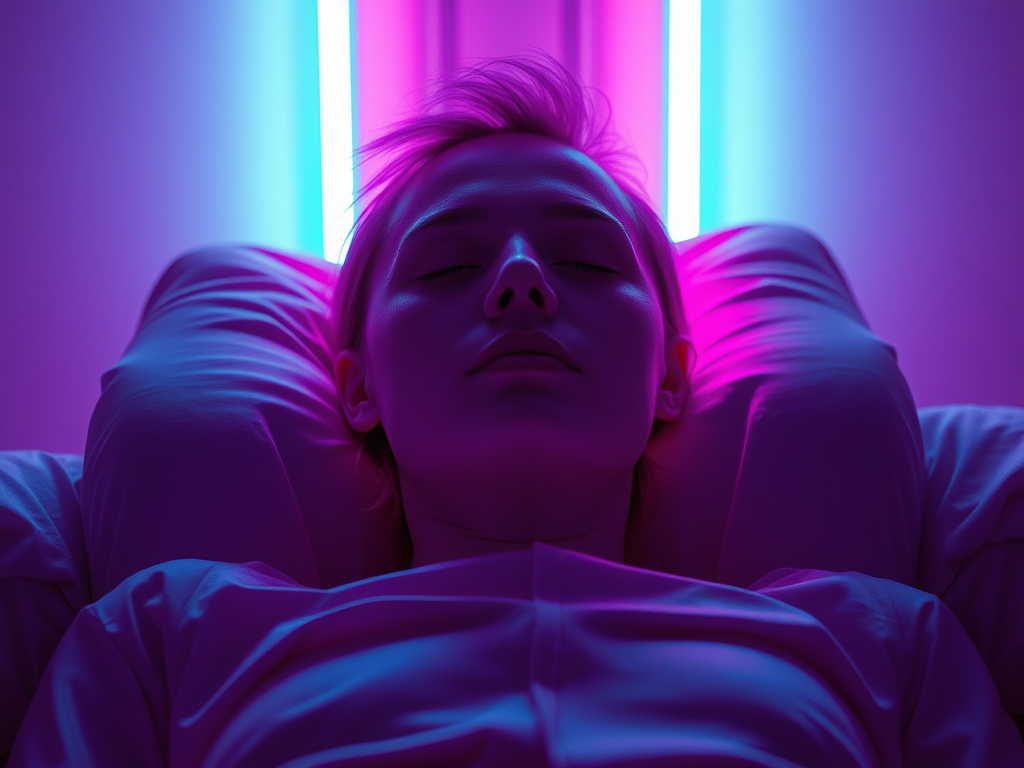
Rather than focusing on the breath or a visualization, this technique involves letting the mind truly rest; thoughts may enter, but instead of distracting you and pulling you away from the present moment, they simply drift away.
“Write it on your heart that every day is the best day in the year.”
Ralph Waldo Emerson
“Find a comfortable seated position. Allow your breath to flow naturally. Notice the sensations of your body in contact with the chair or the ground.
Now, let’s engage our senses.
Notice Three Things: Observe three things you see around you.
Listen to Three Sounds: Pay attention to three different sounds you hear.
Feel the Ground Beneath You: Notice the sensation of your body in contact with the surface you’re sitting on.
Now, gently bring your attention to any anxiety or worry you may be experiencing. Notice the sensations in your body. Where do you feel it? Is it tight, heavy, or achy?
Ask Yourself: “What do you need?” “What are you trying to tell me?”
Simply observe these sensations without judgment. If your mind wanders, gently guide it back to the present moment.
As you conclude, take a few deep breaths and notice the feeling of relaxation.
Remember, this is a practice. Be patient with yourself, and enjoy the journey of self-discovery.”
A Quick Meditation to Create Space Between You and Your Anxiety
When you’re ready, come into a comfortable seated position. Let’s take some breaths here. Find your ground by feeling your feet on the floor beneath you. Feel your body touching the chair or cushion you’re on. Really allow yourself to settle into this: Feel gravity, and release your weight toward gravity. Let’s take a few deeper breaths now. If you are already feeling anxious, it can be helpful to really extend the exhale. Take a nice, long inhale, then very much emphasize the exhale.
Explore how you’re feeling right now. If you’re feeling anxious right now, it’s a great opportunity to practice. But if not, bring to mind a time recently when you felt some kind of fear, anxiety, worry, or agitation. Recall the situation or conversation. Just remember that event, and as you do, you might start to notice anxious thoughts emerging in your mind. You might also start to notice some related sensations in your body.
Open your attention wide. Before we turn toward the anxiety more fully, let’s first open our attention wide. Here’s where we can use A.W.E. (And What Else?) Just notice. You may be feeling anxiety right now, but let’s direct our attention away from that and actively explore our senses.
Open your eyes and look around. If your eyes are closed, I invite you to open them to look around the space you’re in. Simply orient yourself. And now notice three things that you see in the space around you. They can be very neutral or even pleasant things—flowers, an image. Simply describe them to yourself in your mind: the colours, shapes, forms.
Turn your attention to the sounds around you. Once you’ve noticed three things visually and described them to yourself, turn your attention to hearing. Allow your attention to settle on the sounds around you. Listen for three different sounds; they can be near or far. Emphasize pleasant or neutral sounds. And, again, describe them to yourself: notice the vibration, the tone, how they arise and then pass.
Now, let’s turn our attention to taste. This might be a little more challenging, but just notice: Can you detect any flavour in your mouth? Maybe something you ate before starting this practice? Toothpaste? Just notice what it’s like to taste.
Now, turn your attention to your sense of smell. You might take in a deeper breath here. Just notice: Can you detect any scent in the space around you? Notice how they can shift and change with each breath.
And finally, let’s move to the sense of touch. Beginning on the outer surface of our skin, feel the contact with the chair or the ground. If your hands are touching or resting against your body, just feel that sensation. It’s very simple: What do you notice when you turn your attention toward your hands touching? Feel the contact of your clothes with your body. Feel the temperature of the air on your skin. What can you notice?
If you have the energy and some space now, turn your attention toward the felt sense of anxiety. If you feel the need for more space at any time, simply keep turning your attention outward: the sounds, the sights—wherever it feels calming and grounding for you to attend in your senses. When you do feel ready to explore, turn your attention to the felt sense: How do you notice anxiety? Where do you feel it in your body? Take a breath and notice where you feel it. Maybe it’s in your belly? See if you can notice the details, too: Is it throbbing or tingling? What’s the energy like? Within the sensation of anxiety, does it feel like there’s a lot of movement? Does it shift and change as you pay attention to it?
Can you gently relax around the feeling of anxiety or fear? Think of the rest of your body holding this feeling with a lot of care. Pay close attention, explore, be curious: How does anxiety show up? How is it shifting? If at any point it becomes overwhelming or you get lost in thinking and find you’re unable to stay with the sensations, simply go to And What Else: Notice the sights around you. Notice the sounds. Feel the ground.
If you are able to pay attention to this sense of anxiety, simply noticing it, let’s drop in a question. Staying with the felt sense of this fear, anxiety, worry, or agitation, just ask: What do you need? What do you want me to know? What are you trying to offer me? Just see what answers, images, words arise here. We’re asking ourselves here: What do I need?
As we close out the meditation, see if you can commit to doing something to address that need you’ve identified. Alternatively, simply remember the information that has arisen for you during this practice. And now, if you’re ready, take a few deeper breaths. Soften your body
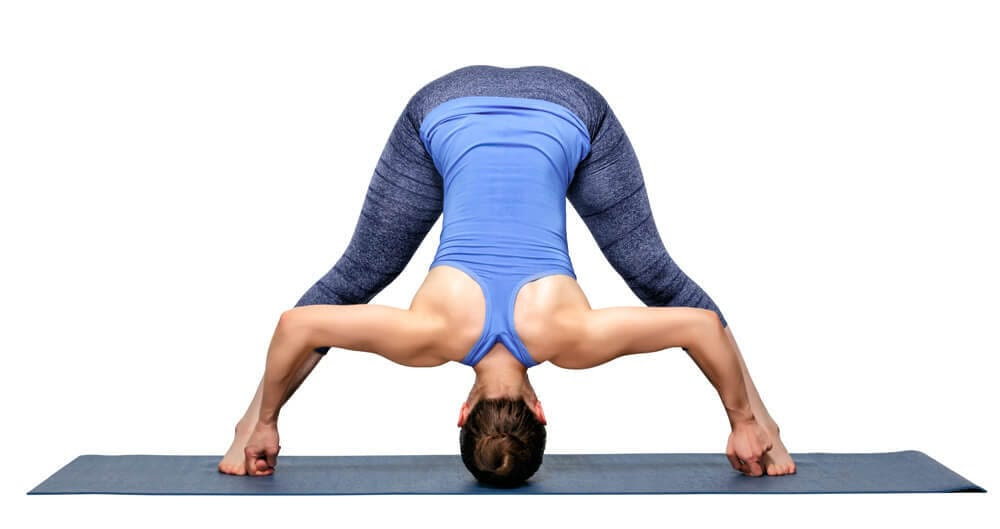
Wide-legged forward bend, or prasarita padottanasana, is a standing posture that stretches the back and legs. From a wide stance, the yogi folds forward and clasps the ankles, allowing the head to hang heavy.
Instructions
Stand with your feet wide.Exhale and fold forward. Clasp your ankles with your hands.Let your head hang heavy.Breathe while holding the pose.
“Inner peace begins the moment you choose not to allow another person or event to control your emotions.”
Pema Chödrön
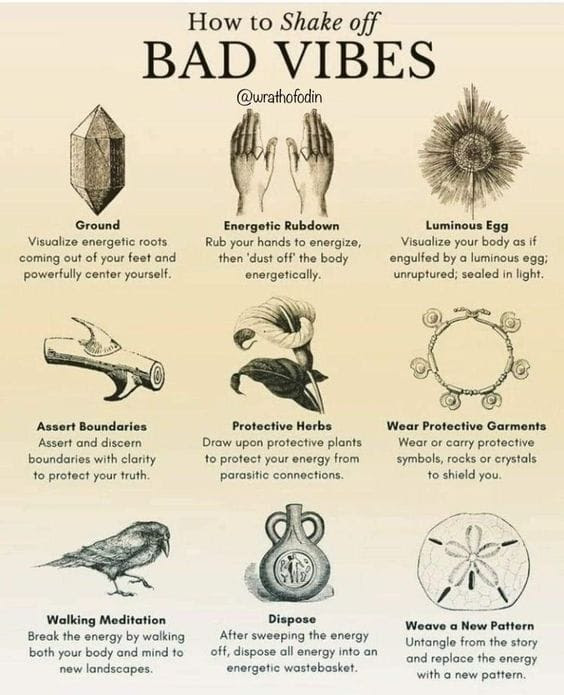
We all want a home that feels peaceful and inviting. Sometimes, however, homes can feel heavy or stagnant, filled with a subtle sense of unease. This is often referred to as “negative energy.” While the concept of energy is subjective, many people believe that negative emotions, stress, and even illness can linger in a space, affecting the mood and well-being of its inhabitants.
Fortunately, there are simple practices you can incorporate into your daily routine to cleanse your home and create a more positive and uplifting environment.
1. Embrace Natural Light and Air:
Sunlight: Open your windows and let the sunshine in! Sunlight is a natural disinfectant and can help to brighten the mood and lift spirits.
Fresh Air: Regularly open windows and doors to allow for good air circulation. Fresh air can help to dispel stale energy and bring a sense of renewal to your home.
2. Declutter and Cleanse:
Declutter: Clutter can contribute to feelings of overwhelm and negativity. Declutter your home regularly by donating or discarding items you no longer need or use.
Deep Clean: Regular cleaning, including vacuuming, dusting, and mopping, helps to remove dust, allergens, and any lingering negative energy.
3. Connect with Nature:
Bring the outdoors in: Incorporate natural elements like plants, flowers, and crystals into your home decor.
Open windows to the sounds of nature: Listen to the sounds of birdsong, rainfall, or the rustling of leaves.
4. Create a Calming Atmosphere:
Use calming scents: Diffuse essential oils like lavender, chamomile, or sandalwood to create a relaxing and soothing ambiance.
Play calming music: Soft instrumental music, nature sounds, or calming chants can help to create a peaceful and tranquil atmosphere.
5. Mindful Practices:
Mindful movement: Practice yoga or tai chi in your home to cultivate positive energy.
Meditation: Spend a few minutes each day meditating in a quiet corner of your home.
Remember, these are just a few suggestions. The most important thing is to find practices that resonate with you and create a home environment that supports your well-being.
Disclaimer: This information is for general knowledge and informational purposes only and does not constitute professional advice.







You must be logged in to post a comment.