Prompts for Inner Healing: A Journey Through Journaling

Quote of the day…

“Healing doesn’t mean the damage never existed. It means the damage no longer controls our lives.”

Unknown

Journaling can be a powerful tool for healing and self-discovery. It allows us to explore our thoughts and feelings in a safe space, uncover hidden patterns, and cultivate a deeper understanding of ourselves. Some of the most effective journaling prompts for inner healing are simpler than you might expect. Often, open-ended questions or statements are all we need to unlock a wellspring of insights and begin our healing journey.

Self-Reflection:

  1. What does “healing” mean to me personally? Imagine a healed version of yourself. What would they look and feel like? How would their life be different?
  2. Identify a recurring negative thought you have about yourself. Where did this thought originate? What experiences or beliefs reinforce it? How can you challenge its validity and replace it with a more empowering narrative?
  3. When was the last time you felt genuinely peaceful? Describe the moment in detail. What factors contributed to that sense of peace? How can you recreate those conditions more often?
  4. How has your relationship with yourself changed over the years? What further changes do you want to make? What steps can you take to cultivate a more loving and accepting relationship with yourself?

Past Experiences:

  1. What past wounds are you still carrying? What would it take to forgive the people involved (including yourself) and release these wounds? What would letting go of this pain allow you to experience?
  2. Describe a time you felt unsupported. What emotions did you experience? What would you say to your younger self who went through that experience? What support do you need now?
  3. Write a letter to someone (alive or not) who hurt you. Express everything you’ve wanted to say, allowing yourself to fully feel and release the emotions associated with that experience. You don’t have to send it; the act of writing itself can be cathartic.
  4. If you could tell your past self three pieces of advice for inner peace and resilience, what would they be? Imagine how this advice might have changed your past experiences.

Emotional Awareness:

  1. How do you tend to cope with difficult emotions? Which strategies serve you well, and which are unhelpful or harmful? What healthy coping mechanisms can you explore?
  2. What emotions do you avoid most often? Why do you avoid them? What would happen if you allowed yourself to sit with these feelings instead? What might they be trying to tell you?
  3. Describe a time you felt deeply loved or accepted. How can you offer that same love and acceptance to yourself now? What actions or affirmations would help you embody this feeling?

Relationships:

  1. Who in your life inspires a sense of comfort and security? What qualities in them contribute to this feeling? How can you cultivate these qualities in yourself and your other relationships?
  2. What patterns do you notice in your relationships (romantic, friendships, family)? Are these patterns serving you or hurting you? How can you set healthier boundaries and create more fulfilling connections?

Mindfulness and Gratitude:

  1. What fears or anxieties keep you from fully embracing the present moment? How can you confront or lessen their grip on you? What mindfulness practices can help you stay grounded in the present?
  2. List three things that make you feel grounded and safe. How can you incorporate these things into your daily life to create a sense of stability and security?
  3. What are five things you’re grateful for about yourself? How do these qualities make you feel empowered? How can you express gratitude for yourself more often?

Growth and Self-Compassion:

  1. What parts of your life or self do you feel disconnected from? How can you begin to reconnect with those aspects and live a more integrated life?
  2. How do you react to failure or setbacks? What can you learn about resilience and self-compassion from these experiences? How can you treat yourself with more kindness and understanding during challenging times?
  3. List three qualities you admire in others. How can you nurture these qualities within yourself? What steps can you take to develop these strengths?
  4. What are three small steps you can take this week to show kindness and care to yourself? How can you prioritize your well-being and make self-care a regular practice?

These prompts are designed to gently guide you on a journey of self-exploration, understanding, and healing. Remember to approach each prompt with curiosity and compassion, allowing your responses to unfold naturally.

What’s this Happy Pill about?

Maybe you didn’t quite realize everything you get by locking in your spot during pre-launch?


FREE Happy Pills ($30 value) – included with your pre-launch spot

FREE Shipping + SWAG – because we like spoiling our early adopters

FREE Website – just like the one you visited, ready for you to start sharing immediately

ENDLESS $5 commissions banked for every person who claims their free sample through your link

And here’s the best part: locking in your spot makes you an official part of our Champion’s Circle. These spots are limited, only available during prelaunch, and guarantee you’re in before the masses.

ALL of this for less than the cost of a movie and popcorn!


Lock-in Your Spot & Claim Your Free Happy Pills

Downward-Facing Pigeon Pose (Adho mukha kapotasana)

What is Downward-Facing Pigeon Pose?
Downward-facing pigeon pose, or adho mukha kapotasana in Sanskrit, is a restful version of the upright pigeon pose. The torso folds over the front leg with the arms stretched forward in this deep hip opener.
Instructions
Begin in pigeon pose with the right leg extended back.Exhale and lower the torso down, walking the hands forward.Rest the forehead on the floor and press the palms together in prayer.Breathe while holding the pose.Inhale and release. Change sides.

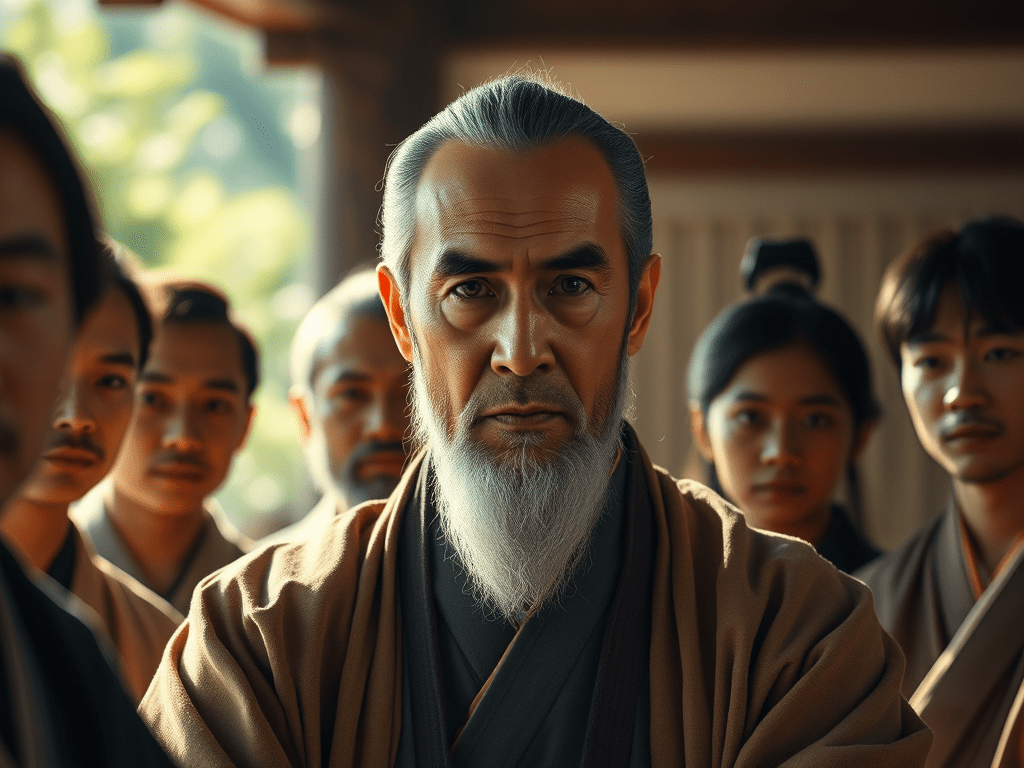
ZEN STORY: Three Kinds of Disciples

A Zen master named Gettan lived in the latter part of the Tokugawa era. He used to say: “There are three kinds of disciples: those who impart Zen to others, those who maintain the temples and shrines, and then there are the rice bags and the clothes-hangers.” Gasan expressed the same idea. When he was studying under Tekisui, his teacher was very severe. Sometimes he even beat him. Other pupils would not stand this kind of teaching and quit. Gasan remained, saying: “A poor disciple utilises a teacher’s influence. A fair disciple admires a teacher’s kindness. A good disciple grows strong under a teacher’s discipline.”

Mastering Your Emotions: A Guide to Channeling Feelings Effectively

“Do not suppress your emotions but channel them; they are powerful forces that, when harnessed, can fuel transformation, deepen understanding, and inspire creativity. Emotions are not meant to be silenced; they are meant to guide you toward your truest self.”

Emotions are powerful forces that shape our experiences, relationships, and overall well-being. While they can be incredible motivators, unmanaged emotions can also lead to conflict, stress, and even harm. Learning to channel your emotions effectively is a crucial skill for navigating life with greater ease and resilience.

Here’s how to harness the power of your emotions and turn them into constructive forces:

1. Identify and Acknowledge Your Feelings

The first step to channeling emotions is understanding what you’re feeling. Emotions can be complex and multi-layered. Anger might mask sadness, or anxiety might hide deeper insecurities. Take a moment to recognize your emotions without judgment.

Try these techniques:

  • Name your emotions: Put a label on what you’re feeling – anger, joy, sadness, fear, etc. Studies show that simply naming an emotion can help reduce its intensity.
  • Journal: Write down your feelings to gain clarity and identify patterns in your emotional responses.
  • Talk it out: Sharing your emotions with a trusted friend, family member, or therapist can provide valuable perspective and support.

2. Practice Mindfulness and Breathing Techniques

Mindfulness helps you stay grounded in the present moment, preventing you from being swept away by the intensity of your emotions. When you feel overwhelmed, try deep breathing exercises like the 4-7-8 method:

  • Inhale for 4 seconds.
  • Hold for 7 seconds.
  • Exhale for 8 seconds.

This technique calms your nervous system, creating space between the feeling and your reaction. This pause allows you to choose a more constructive response.

3. Find Healthy Outlets for Expression

Emotions need an outlet. Expressing your feelings through creative or physical activities can be incredibly cathartic.

Consider these options:

  • Creative expression: Engage in art, writing, music, or dance to process emotions in a non-verbal way.
  • Physical activity: Release pent-up energy through exercise, such as running, swimming, or yoga.

These outlets provide a healthy way to release emotions, preventing them from building up and causing harm.

4. Challenge Your Thoughts and Perspectives

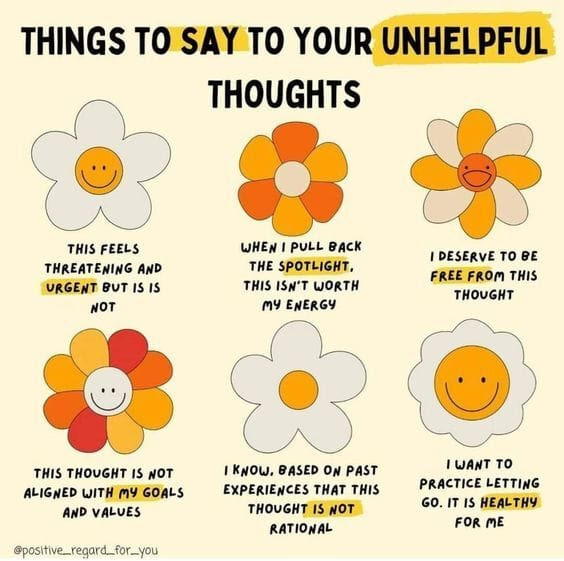
Sometimes, our emotions stem from inaccurate thoughts or assumptions. Challenge those thoughts by asking yourself:

  • Is this thought really true?
  • What evidence supports this thought?
  • Is there another way to look at this situation?

Cognitive reframing, a technique used in therapy, involves examining situations from different angles to help you see things more objectively and defuse intense emotions.

5. Set Boundaries and Communicate Openly

In relationships, channeling emotions effectively requires clear and honest communication. Set healthy boundaries and express your feelings constructively using “I” statements (e.g., “I feel hurt when…”) instead of accusatory “you” statements. Open communication fosters understanding and empathy, leading to healthier interactions.

6. Reflect and Learn

After experiencing and channeling an emotion, take time to reflect on the experience. What worked well? What could you have done differently? This reflection helps you learn from your emotional responses and become more resilient in the face of future challenges.

By mastering these techniques, you can transform your relationship with your emotions. Instead of being controlled by them, you can learn to channel them effectively, leading to greater self-awareness, stronger relationships, and a more fulfilling life.