
Major life milestones—whether welcoming a new child, stepping into retirement, navigating a career pivot, relocating across the country, or coping with a significant loss—rarely feel like smooth, linear progressions. Even joyful transitions carry a quiet weight of adjustment, uncertainty, and grief for the chapter ending.

Navigating these shifts requires balancing emotional presence for the people you care about with radical self-compassion for your own journey.
1. How to Support Loved Ones Through Major Milestones
When someone close to you is going through a massive life shift, standard well-wishing often falls short. Supporting them effectively means offering grounded, practical empathy rather than hollow platitudes.
- Validate the mixed emotions: Major shifts are seldom 100% positive or 100% negative. A newly promoted friend might feel thrilled yet terrified; a retiree might feel relief alongside a loss of identity. Resist the urge to fix their anxiety with toxic positivity. Instead of saying, “Everything happens for a reason!” try, “It makes total sense that you’re feeling overwhelmed right now. I’m here with you.”
- Shift from open-ended offers to specific actions: Asking “Let me know if you need anything” places the burden of logistics back on the person in transition. Replace generic offers with concrete, low-friction support:
- “I’m dropping off dinner on Thursday around 6 PM—are there any dietary restrictions?”
- “I have two hours open on Saturday morning. Can I come walk the dog or run errands for you?”
- Protect their decision-making bandwidth: High-stress transitions trigger decision fatigue. Keep communications simple, direct, and free of unnecessary pressure. If you are offering help, frame it so they can give a simple yes or no.
- Check in long after the main event: Support naturally floods in during the week of the wedding, birth, move, or funeral, but it tends to fade quickly. Set calendar reminders to check in weeks and months later, when the quiet reality of the transition fully sets in.
2. Supporting Yourself in Times of Change
It is impossible to offer stable support to others if your own foundation is buckling. When you are the one experiencing the shift—or carrying the emotional load of a loved one’s change—your primary job is self-anchoring.
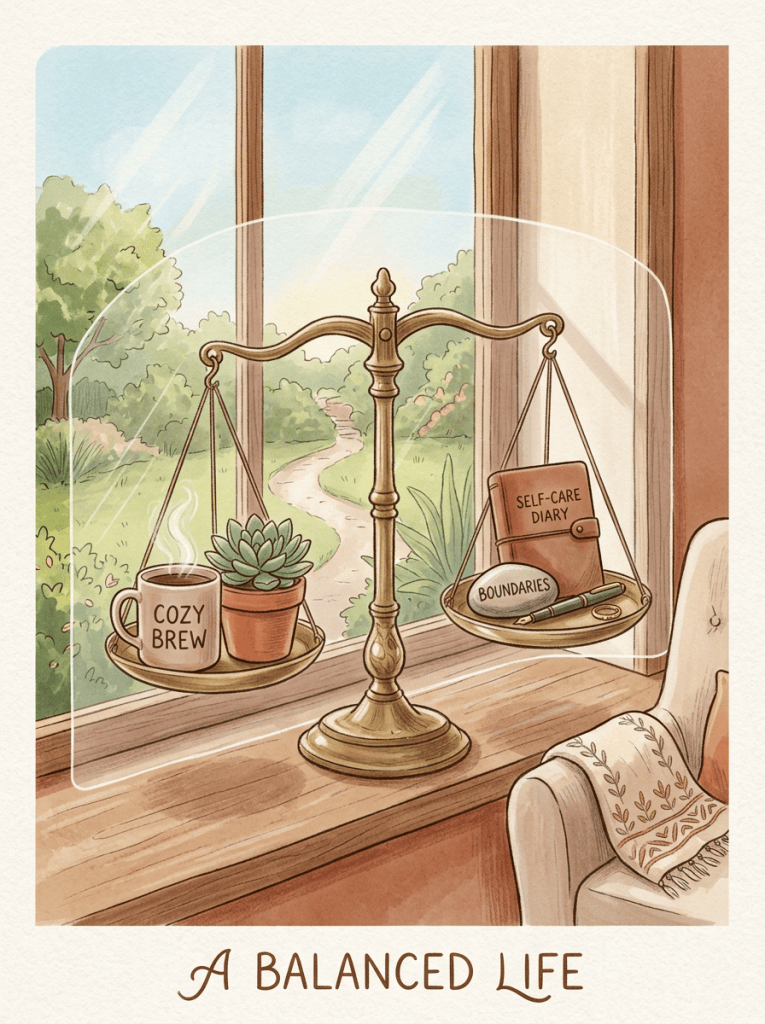
- Maintain non-negotiable micro-routines: When your entire world feels rearranged, tiny habits preserve a sense of agency. Keep two or three simple daily anchors unchanged: drinking your morning coffee in quiet, a 10-minute evening walk, or reading before bed.
- Acknowledge the invisible grief: Every milestone involves leaving something behind. Acknowledging that a piece of your old lifestyle, identity, or routine is gone is not ungrateful; it is essential for processing change healthily.
- Set firm relational boundaries: You do not have to be available to everyone at all times during a crisis or transition. It is completely acceptable to step back from non-essential social obligations or defer major secondary decisions until the immediate dust settles.
- Practice lower-variance self-care: Swap grand self-care gestures (like elaborate vacations or spending sprees) for consistent, low-effort nourishment: proper sleep hygiene, basic hydration, and honest conversations with a trusted friend or therapist.

3. The Power of Shared Grace
The hardest part of any life transition is the awkward in-between stage—the space where the old way of living has ended, but the new routine hasn’t fully formed.
Whether you are walking through the fire yourself or holding space for someone else, the ultimate tool is patience. Give yourself and your loved ones permission to be clumsy, tired, and imperfect while figuring out the new normal. Milestones mark a single moment in time, but adjusting to them is a quiet, continuous art.


