
There is something deeply grounding about getting your hands in the dirt. In a world where so much of our daily lives is digital and fast-paced, spending a few quiet minutes tending to living things offers a beautiful, tactile way to slow down.
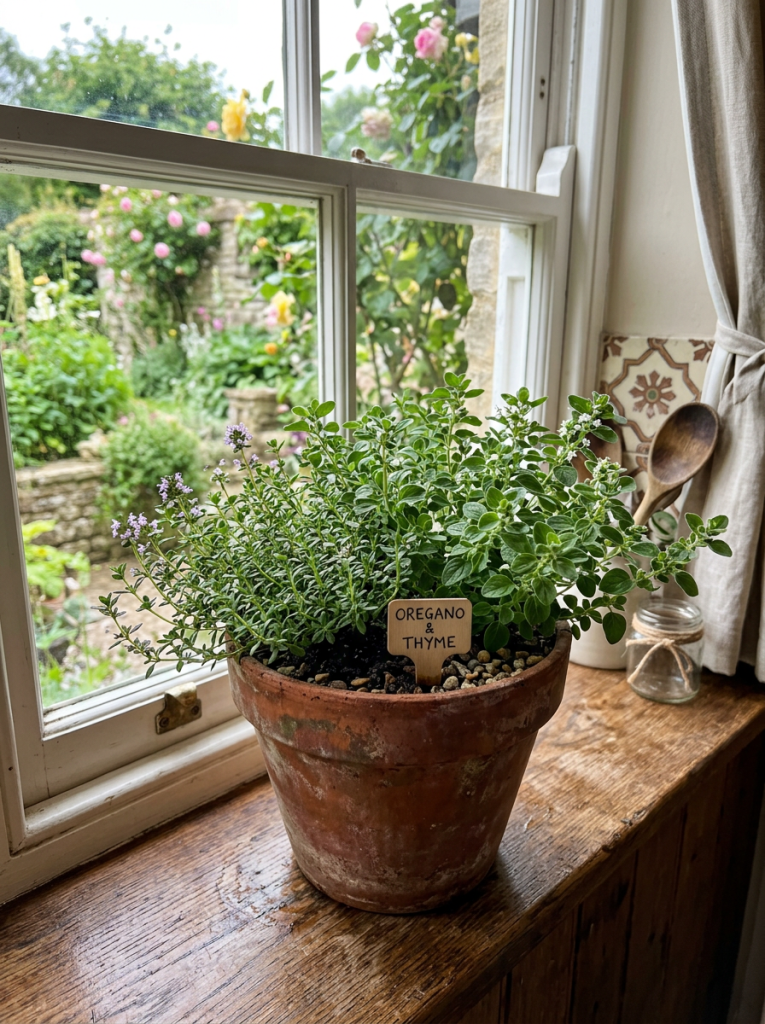
You don’t need an expansive backyard or a farm to experience the joy of growing your own food. A sunny windowsill, a small patio, or a simple container pot on the back step is all it takes to start your own kitchen herb garden.
Growing fresh herbs isn’t just a rewarding hobby—it’s an easy way to elevate your cooking, connect with nature, and bring a little bit of mindful green space into your everyday life.
The Magic of Companion Planting
If you are new to gardening, or if you are working with limited space, the secret to success lies in choosing plants that naturally love to be together. This is called companion planting.
Just like people, certain plants thrive when they share a home with neighbors who enjoy the same environment. When creating a simple container herb garden, look for varieties that share a love for plenty of sunlight and well-draining soil.
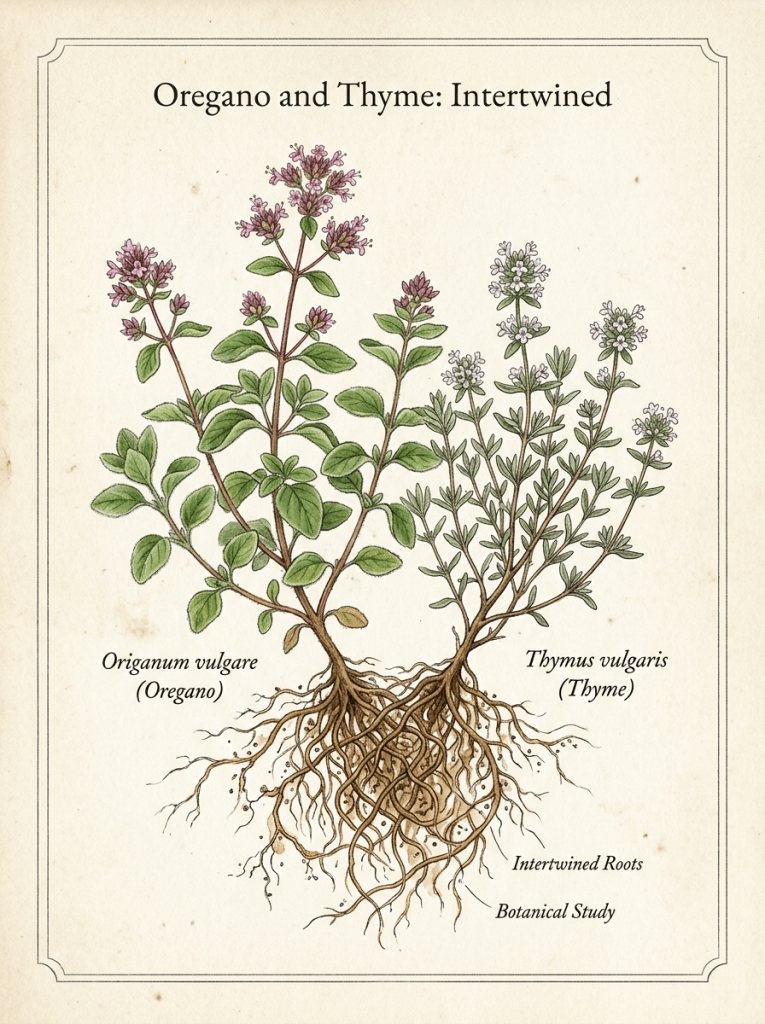
Two of the absolute best companion herbs to plant together are oregano and thyme.
- Oregano: Hardy, robust, and full of rich flavor, oregano loves soaked-in sunshine and doesn’t mind the soil drying out a bit between waterings.
- Thyme: Boasting delicate leaves and a wonderful earthy aroma, thyme shares the exact same preference for bright light and moderate water as oregano.
Because they share identical care needs, planting them side-by-side in a single container makes your garden incredibly low-maintenance. Plus, their contrasting textures—oregano’s lush, round leaves next to thyme’s fine, trailing stems—look absolutely beautiful together.
Getting Started: Your 4-Step Guide
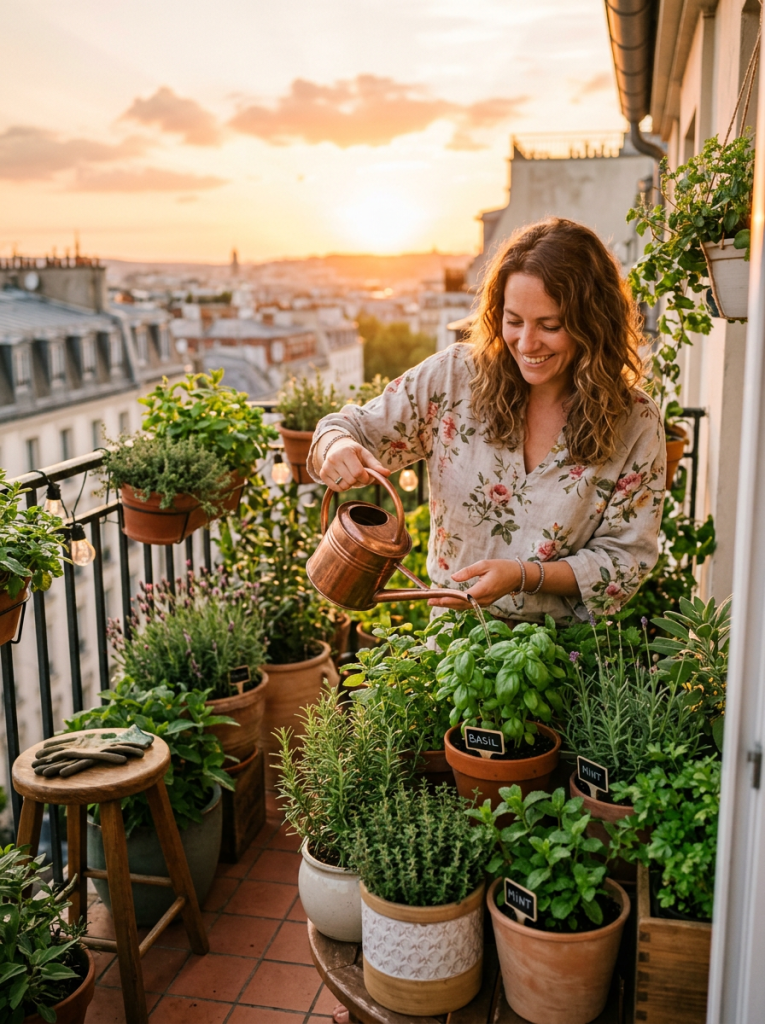
Ready to plant your own kitchen oasis? Here is everything you need to create a simple, thriving herb pot:
1. Choose the Right Container Pick a pot that has excellent drainage holes at the bottom. Herbs do not like their roots sitting in stagnant water. A classic terracotta or clay pot is perfect because it allows the soil to breathe.
2. Use Quality Soil Fill your container with a lightweight, high-quality potting mix. If you want to give your oregano and thyme an extra boost, mix in a handful of coarse sand or perlite to ensure the soil drains quickly and stays loose.
3. Give Them Light Place your pot where it will receive at least six hours of bright sunlight every day. A south- or west-facing window, a sunny deck, or a bright patio spot will make your herbs incredibly happy.
4. Practice “Mindful Watering” Instead of watering on a rigid schedule, check in with your plants first. Push your finger about an inch into the soil. If it feels completely dry, give it a thorough watering until moisture runs out the bottom of the pot. If it still feels damp, give it another day.
Cultivating Patience and Wellness
Tending to a small herb garden introduces a wonderful rhythm to your week. Taking a moment to check the moisture of the soil, snip away a few yellow leaves, or track a new little sprout forces you to step into the present moment. It is a quiet reminder that good things take time to grow.
And the best reward? Walking over to your windowsill or patio, clipping a few fresh sprigs of homegrown oregano and thyme, and tossing them straight into your evening meal. The flavor of an herb you grew yourself is unmatched.
Are you thinking about starting a small green space this season? Or do you already have a favorite kitchen herb you can’t live without? Let’s swap gardening tips in the comments below!

 Anna Godfrey