
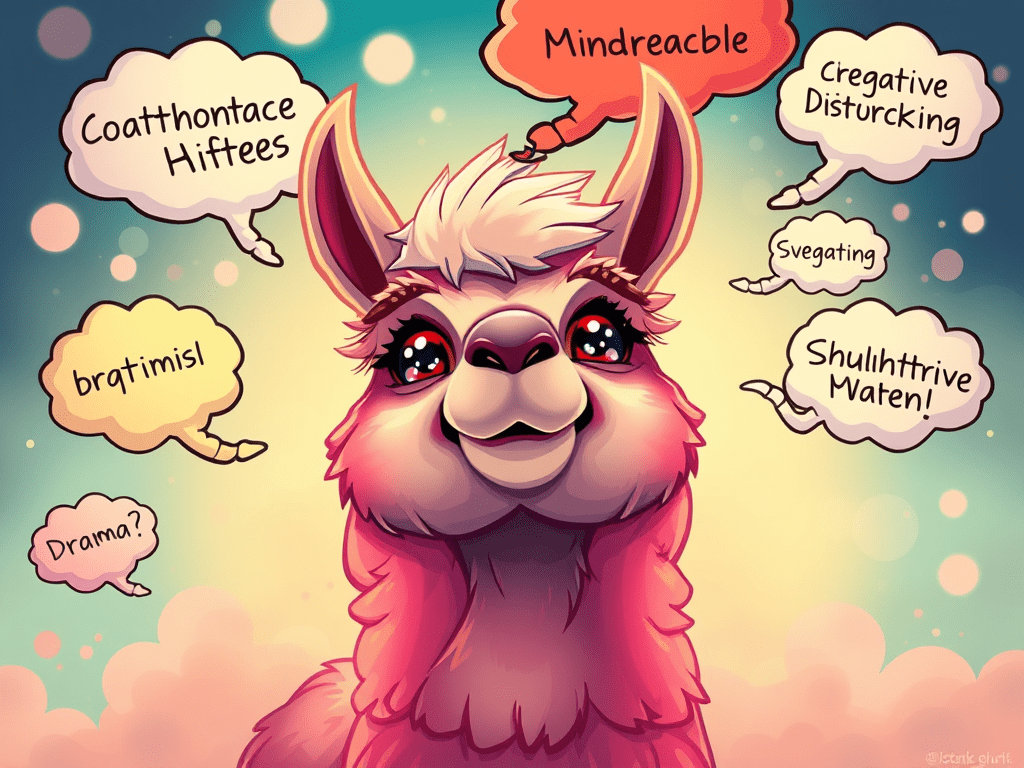

Ever feel like your brain has a mind of its own? Like a tiny drama llama in your head is constantly predicting the worst movie ending or convinced everyone’s secretly judging your sock choice? Well, you’re not alone! Our brains are fascinating, powerful things, but sometimes they get a little… dramatic.
That’s where “cognitive distortions” come in. Think of them as sneaky thought traps that we all stumble into from time to time. This awesome visual breaks down some of the most common ones, and honestly, recognizing them is the first step to a much more chill mental landscape.
Let’s dive into a few of these familiar frenemies:
1. Catastrophizing: The “Worst Case Scenario” Superstar 🏆
This is your inner movie director who always casts the disaster ending. Spill a little coffee? Suddenly, you’re fired, homeless, and living in a van down by the river! As the ever-wise Douglas Adams put it, “I love deadlines. I like the whooshing sound they make as they fly by.” But our inner catastrophizer doesn’t hear a whoosh; they hear a sonic boom of impending doom!
Inspiration Boost: Remember, “Ninety-nine percent of the things you worry about never happen.” (Someone wise said that, and it’s probably true!). Let’s aim for realistic expectations, shall we?
2. Mind Reading: The “I Know What You’re Thinking (Spoiler Alert: It’s Bad)” Oracle 🔮
Ah, the classic! We’ve all been there, convinced we know exactly what someone else is thinking or feeling… and it’s usually not good. They didn’t reply to your text instantly? Clearly, they hate you and are plotting your social demise!
Fun Fact: Did you know that even professional psychologists can’t actually read minds? It’s a complex skill involving empathy, observation, and asking direct questions. So, maybe our inner oracle needs a little fact-checking!
Inspiration Boost: “Assume good intentions.” It’s a game-changer! Most people are caught up in their own worlds, just like us. Let’s give them the benefit of the doubt and maybe… just maybe… ask them what’s up!
3. Negative Focus: The “Glass Half Empty (and Probably Cracked)” Critic 😠
This is like having a selective filter that only lets the gloomy news through. Ten amazing things happened today, but that one slightly awkward comment you made at lunch? That’s the only headline your brain is running!
Wise Words: As Helen Keller beautifully said, “Keep your face to the sunshine and you cannot see the shadow.” Let’s try to consciously shine a light on the good stuff, even the little things.
4. Should-Thinking: The “Rule Book Written in Invisible Ink” Enforcer 📜
“I should be more productive. They should have known better.” This one’s all about those rigid, often unspoken rules we have for ourselves and others. When reality doesn’t match our “shoulds,” frustration and disappointment abound.
Inspiration Boost: Maybe, just maybe, there’s a little more wiggle room in life than our inner rule enforcer allows. As Bruce Lee wisely advised, “Be like water making its way through cracks. Do not be assertive, but adjust to the object, and you shall find a way around or through it.” Let’s embrace a little flexibility!
Taming Our Thought Monkeys:
The fantastic thing about recognizing these cognitive distortions is that we can start to challenge them! It takes practice, but with a little awareness, we can begin to untangle those thought traps and quiet those inner drama llamas.
Here are a few quick tips:
- Notice it: The first step is simply becoming aware of when these thought patterns are kicking in.
- Challenge it: Ask yourself, “Is this thought actually true? What’s the evidence?”
- Reframe it: Try to think about the situation in a more balanced or positive way.
Our brains are amazing, and we have the power to guide our thoughts. By recognizing these common cognitive distortions, we can start to create a more inspiring, fun, and ultimately kinder inner dialogue. So, let’s give our minds a break from the drama and embrace a more realistic and joyful perspective!
Which of these “mind monkeys” do you recognize in yourself? Let’s chat in the comments below!

 Anna Godfrey