
Charging Crystals Under the Full Moon

Charging crystals under the full moon is a popular practice that combines the power of crystals with the energy of the celestial body. It’s a simple yet effective way to cleanse and energize your crystals, preparing them for use in healing, meditation, or other spiritual practices.

How to Charge Crystals Under the Full Moon

  1. Choose a Location: Find a safe and secluded spot where your crystals will be exposed to the full moon’s light. This could be a windowsill, your backyard, or a balcony.
  2. Prepare Your Crystals: Gently cleanse your crystals by smudging them with sage or placing them in a bowl of salt water.
  3. Place Your Crystals: Arrange your crystals in a single layer on a clean surface. You can place them directly on the ground or on a piece of cloth.
  4. Intend and Visualize: As you place your crystals, set your intention for charging. Visualize the moonlight infusing your crystals with its energy, cleansing and revitalizing them.
  5. Leave Them Overnight: Leave your crystals under the moonlight overnight. Ideally, you should leave them out for the entire duration of the full moon.
  6. Gather Your Crystals: In the morning, gently gather your crystals and thank them for their energy.

Tips for Charging Crystals Under the Full Moon

  • Choose the Right Night: The peak of the full moon’s energy is typically a few hours before and after it reaches its fullest point.
  • Consider the Crystal’s Properties: Some crystals may benefit more from being charged under the full moon than others.
  • Intention is Key: Setting a clear intention for your crystals can amplify their energy and effectiveness.
  • Gratitude: Express gratitude to the moon and the universe for their energy and support.

Charging your crystals under the full moon is a simple yet powerful practice that can enhance their energy and effectiveness. By combining the power of crystals with the natural energy of the moon, you can create a powerful tool for healing, meditation, and spiritual growth.

Additional Tips:

  • You can also charge your crystals by burying them in the earth or placing them in a stream or river.
  • Some people believe that certain crystals are more receptive to the moon’s energy than others.
  • Trust your intuition and experiment to find what works best for you and your crystals.

Remember, the most important aspect of charging crystals is your intention and your connection to the natural world. By approaching this practice with an open mind and a heart full of gratitude, you can unlock the full potential of your crystals.


ZEN STORY: The Four Candles

Four monks decided to meditate silently without speaking for two weeks. They lit a candle as a symbol of their practice and began. By nightfall on the first day, the candle flickered and then went out.
The first monk said: “Oh, no! The candle is out.”
The second monk said: “We’re not supposed to talk!”
The third monk said: “Why must you two break the silence?”
The fourth monk laughed and said: “Ha! I’m the only one who didn’t speak.”
They all had different reasons, but each of the four monks shared his thoughts without filtering them — none of which improved the situation. Had there been a fifth, wiser monk, he would’ve remained silent and kept meditating.
This way, he would’ve pointed out their mistakes without a single word. Without breaking his own quest for better. Done long enough, talking inevitably leads to embarrassing yourself. Listening leads to learning.
The less you speak, the smarter you get. And, maybe not quite coincidentally, the smarter you get, the less you speak.

Untangling Your Thoughts: A Guide to Overcoming Cognitive Distortions

Quote of the day…

“Cognitive distortions are like funhouse mirrors—distorting reality and magnifying our fears, but with awareness, we can see beyond the reflection and find clarity.”

Unknown

Do your thoughts sometimes spiral into negativity, leaving you feeling anxious, discouraged, or defeated? You might be experiencing cognitive distortions.

Cognitive distortions are irrational thought patterns that can cloud your perception of reality and negatively impact your mental well-being. They’re like mental traps that can lead to increased anxiety, depression, and low self-esteem.

The good news is that you can learn to recognize and overcome these distortions, paving the way for clearer thinking and improved emotional resilience.

1. Recognize the Distortion

The first step to overcoming cognitive distortions is learning to identify them. Here are some common culprits:

  • All-or-Nothing Thinking: Seeing situations in extremes, with no middle ground. For example, you might think, “If I don’t get an A on this test, I’m a complete failure.”
  • Overgeneralization: Making sweeping conclusions based on a single event. For instance, after one rejection, you might think, “I’ll never find love.”
  • Catastrophizing: Always expecting the worst possible outcome. You might think, “If I go to that party, I’ll embarrass myself and everyone will hate me.”
  • Mental Filtering: Focusing solely on the negative aspects of a situation while ignoring the positive. For example, you might focus on a single critical comment in a performance review while overlooking all the praise.

Journaling can be a helpful tool for identifying these patterns in your own thinking. Take some time each day to reflect on your thoughts and notice any recurring distortions.

2. Challenge Negative Thoughts

Once you’ve identified a cognitive distortion, it’s time to challenge its validity. Ask yourself:

  • What evidence supports this thought?
  • Am I focusing only on the worst-case scenario?
  • Is there a more balanced way to view this situation?

For example, if you catch yourself thinking, “I’m such a loser because I didn’t get that promotion,” challenge that thought by reminding yourself of your past successes and the fact that not getting one promotion doesn’t define your worth.

3. Reframe Your Thoughts

After challenging a distorted thought, reframe it in a more accurate and constructive way. Instead of saying, “I’m so stupid for making that mistake,” try saying, “Everyone makes mistakes. This is an opportunity for me to learn and grow.”

Reframing your thoughts helps shift your perspective from negativity to optimism, fostering self-compassion and resilience.

4. Practice Mindfulness

Mindfulness involves paying attention to the present moment without judgment. When you’re mindful, you create space between yourself and your thoughts, allowing you to observe them without getting swept away by them. This awareness helps reduce the power of cognitive distortions and promotes clearer thinking.

5. Cultivate a Growth Mindset

Embrace challenges and setbacks as opportunities for learning and growth. Instead of viewing mistakes as evidence of personal failure, see them as stepping stones on your path to improvement. This growth mindset can help you break free from negative thought patterns like all-or-nothing thinking.

Free Your Mind

By recognizing and challenging cognitive distortions, you can cultivate healthier thinking patterns, leading to greater emotional well-being and mental clarity. It’s a journey of self-awareness, compassion, and rewiring your thought patterns to create a more positive and empowering inner landscape.

Strengthen Your Immune System: Stay Safe and Healthy

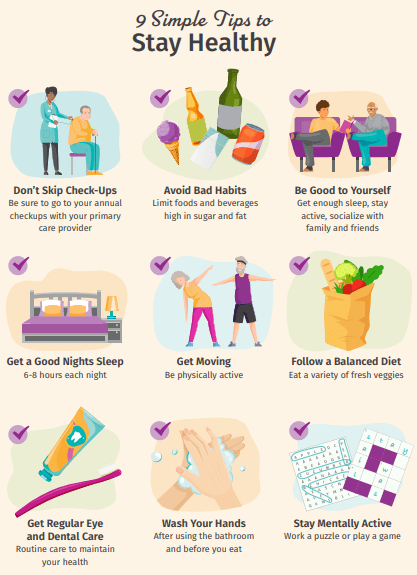
Lots of sickness going around! Let’s work on our immunity community. Be safe. Be healthy. Be happy. Be positive. Be strong. Be a champion. #healthylifestyle

Classic 0-Carb Bread Recipe

✨NEW VERSION✨ of the classic 0-carb bread is one to take note of! If you haven’t tried my viral cottage cheese bread or perhaps the OG greek yogurt bread, you should definitely try those out….but this version I only used powdered eggs white and goat milk whey – which I think gives it a little sweeter taste and firmer texture. I personally love slicing and toasting each with a bit of butter melted or smashed avocado! – Use for sandwiches, croutons, toast, So good!

Ingredients:
1 cup of egg white powder (not egg white protein)
2 scoops of pure goat milk whey
1 1/2 cup water

Method:
Mix above ingredients in a stand mixer until stiff peaks form (about 10 minutes). Transfer to a lined brad pan and bake at 350 F for about 40 minutes.