The wait is over. The journey to our forgotten past begins now.
Episode 1 of the Ancient Civilizations Summit is streaming free — revealing new evidence of lost worlds, cosmic origins, and ancient wisdom hidden in plain sight.
For one week only, you can watch all 5 episodes and explore insights that challenge everything we thought we knew about civilization.
✨ Free Screening: Oct 27–Nov 2 🎥 Watch Episode 1 Now → Watch Here
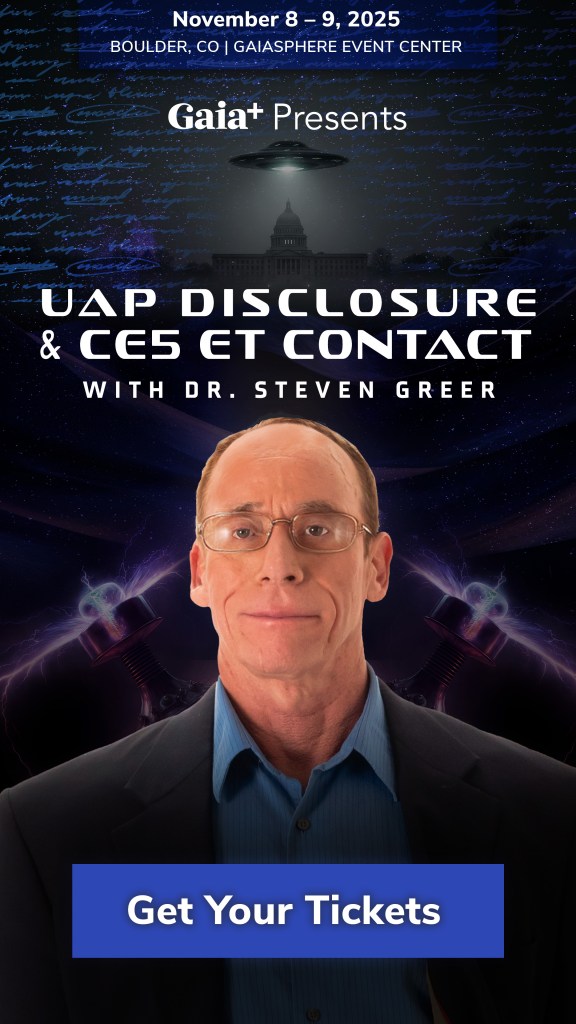
Dr. Steven Greer’s UAP Disclosure & CE5 ET Contact Event
November 8–9, 2025 | GaiaSphere Event Center | Boulder, CO
Join Dr. Steven Greer, the world’s foremost authority on UFO disclosure and peaceful extraterrestrial contact, for a transformative weekend at the GaiaSphere Event Center in Boulder, CO — or worldwide via Gaia+.
This groundbreaking event brings together seekers, experiencers, and truth advocates to uncover the deeper reality of UAPs and initiate direct contact with civilizations beyond Earth.
Across this immersive experience, you will:
Hear historic revelations — including insider testimony, classified intelligence, and suppressed technologies that are reshaping our understanding of UAPs.
Engage in powerful CE5 contact practices — learn to initiate peaceful communication with ET civilizations through guided meditation, remote viewing, and Sanskrit puja.
Awaken your role in the disclosure movement — discover how humanity can transcend fear and step into a new era of interstellar unity.
Dr. Greer has dedicated over 30 years to lifting the veil of secrecy surrounding UFOs and to teaching the world how to make direct, conscious contact with higher intelligence. His work has reached millions, inspired global CE5 groups, and ignited an unprecedented push for government transparency.
Whether you attend in person or stream live via Gaia+, this is more than an event — it is a call to awakening. The next step in humanity’s cosmic journey begins with you.
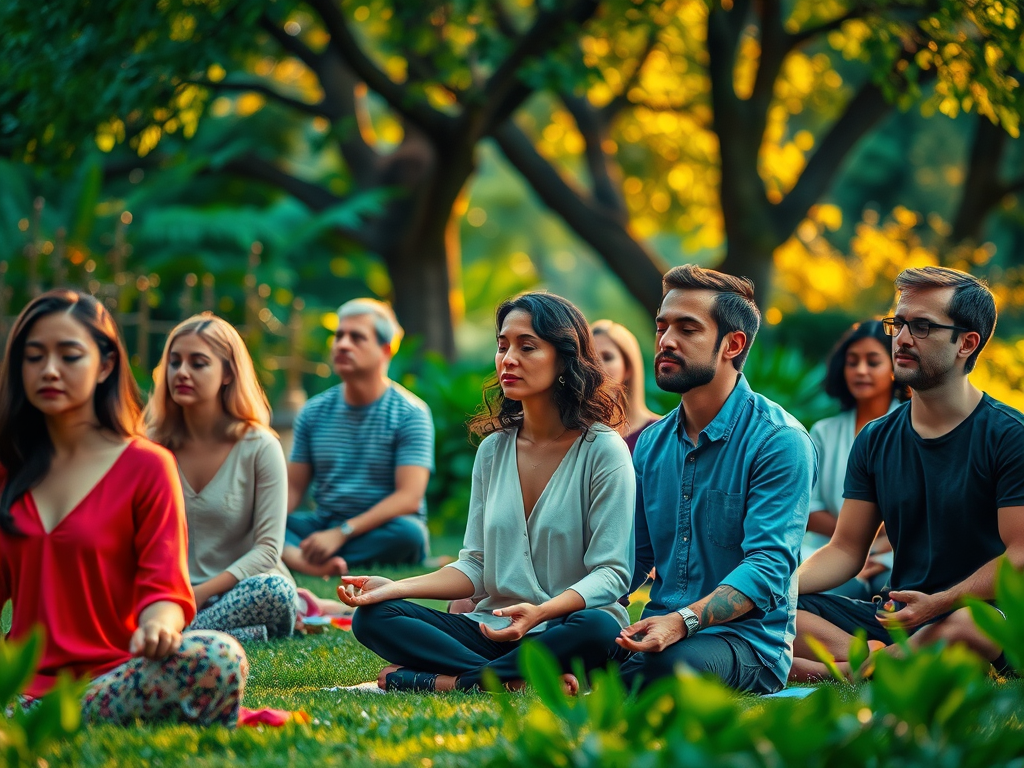
Want to deepen your relationships and experience a profound sense of connection with others? Meditation is a beautiful pathway to cultivating empathy and compassion. By helping you reduce social anxiety and quiet the tendency to judge, it opens your heart to a greater understanding of those around you. You’ll find yourself more attuned to the feelings of others, more inclined to act with kindness, and more connected to the shared human experience. This isn’t just about feeling good yourself; it’s about becoming a beacon of warmth and understanding in the world. It all starts within, one loving breath at a time! 💖






 Potatoes – Deeper the basket, the bigger the bounty underground!
 Tomatoes – Stick in a cage or stake, and they’ll give you a juicy show.
 Onions – They’re chill with close quarters—perfect fit.
 Lettuce – Loves that shallow, breezy space. Fast, fresh, and crisp!
 Cucumbers – Just add a trellis and watch them climb like pros.
 Peppers – Sun lovers that thrive in baskets with good drainage.


You must be logged in to post a comment.