Half wheel pose, or ardha chakrasana in Sanskrit, is a standing backbend. With the hands on the low back, the yogi arches backwards, lifting the chest toward the sky and releasing the head back. While the pose looks simple, it requires a great deal of strength and flexibility to bring the body into this deep backward arch.
Instructions
Begin standing with the feet as wide as the hips.Place the palms on the low back, fingers pointing up.Inhale and lengthen the spine.Exhale and slowly arch the head and neck back as the chest lifts toward the sky.Breathe while holding the pose.Inhale and rise.
The effects of yoga on sympathetic and parasympathetic regulation and circulation are a big part of the effects of a yoga practice that we can explain right now. Our capacity to efficiently & effectively regulate stress and recalibrate the nervous system responses and increase blood flow. Interestingly enough a large number of pharmaceuticals target the nervous system to create their responses and yet we actually still know very little about the nervous system and the brain.
Then there’s the flip-side. The sympathetic also gets a bad rep. New research also shows that the power of stressing the system is really important to our health & longevity, with things like intermittent fasting and athletic training being examples. What’s important is that we can rise to the challenge and then smoothly transition back to a more parasympathetic dominant state. With such a diversity of movement and more introspective practices, yoga is an excellent way to train these shifts in the nervous system.
“A painful emotion caused by consciousness of guilt, shortcoming, or impropriety” is how the dictionary defines shame. Some individuals, I’ve heard, define shame as being associated with “I am bad,” whereas guilt is synonymous with “I did something bad.” This is how they separate shame from guilt. One study even defined shame as “negative emotions in which the feeling of global self-evisceration is experienced.” Global self-evisceration. Oof! Shame is extremely unpleasant and painful, and it can affect one’s identity and self-esteem.
How does shame operate?
For the sake of this discussion, we’ll actually claim that people utilize shame as a coping mechanism to get by. We’re going to consider it to be more of a reaction than a main feeling. Even the dictionary definition explains that it is caused by “consciousness of guilt”, making it appear secondary. As we’ll discuss below, this can help us take greater control over how we respond to shame, but first, let’s discuss how shame functions.
Shame is less of a fight reaction and more of a flight/freeze reaction. Imagine a little youngster who is feeling ashamed. How do they go about things? They elude us! They retreat, get melancholy, and become silent. Shame serves to protect us by allowing us to focus inward on ourselves in the midst of pain. Although it can help us survive, there are moments when it doesn’t seem to be doing any good.
If we look at shame as secondary, then what feeling is underneath that shame? Unloved, inadequate, incorrect, or horrible? Let’s take unloved as an example. Let’s say you get broken up with, making you feel unloved. The voice of shame could enter and say, “You need to learn how to love yourself more so that this doesn’t happen again. You got broken up with because you are so unloveable, no one will ever love you.” Can you see how shame is attempting to keep you alive?
The unfortunate part is that shame tears you down and makes you focus inward. Shame makes you feel in control, but it’s not. You wouldn’t be in pain if you could somehow make yourself lovable—it’s not clear how to do that. During this process, you are simultaneously losing sight of the relationships and even the reality in front of you as your attention becomes more inward focused. Have you ever witnessed someone “shame spiral”? When it began as a single bad emotion, how did they come to believe that they were the worst person on the planet? Then, despite your best efforts to reassure them that you’re not the worst person alive, they genuinely don’t believe you? It can be rather difficult to watch someone follow that course.
Shame keeps you mired in place. It continues to persuade you that you are weak, incompetent, wrong, and without power.
What can you do about shame?
The first action you should take is to recognize shame when it appears. Try asking yourself these inquiries when you observe yourself acting in a shameful manner:
What feeling is intolerable or unpleasant that shame is using against me?
What is shame telling me?
What is true about myself even in this pain?
Once you have shown yourself that shame is lying to you, you can work to focus on the feeling underneath the shame. You can validate your feelings and tolerate them so that you don’t need shame to keep you stuck in the pain. You have the freedom to respond to the uncomfortable feeling in a different way that keeps you connected to people and support. The next stage would be to re-engage with the safe people in your life so you can feel cared for and supported, as shame flourishes in solitude.
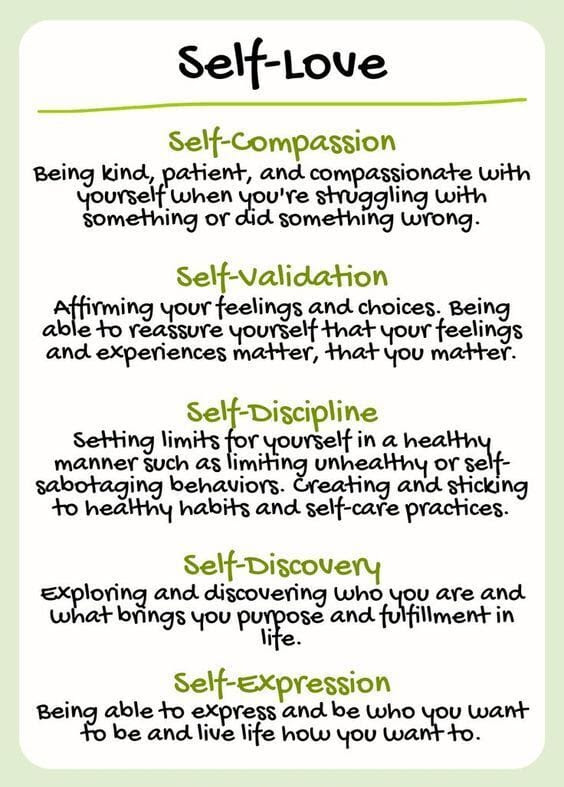
Mindfulness and the practice of being fully aware and present in the moment is essential for self-compassion. Being aware of your self-critical thoughts allows you to respond to them with kindness rather than condemnation.
How? Keep your focus on the here and now. Observe your emotions and ideas without passing judgment on them. You can develop awareness with simple practices like body scanning or meditation.
Recognize your common humanity
It’s a universal aspect of being human that everyone encounters difficulties and makes blunders. Remind yourself that others have gone through similar struggles and emotions when you feel alone. Being aware lessens emotions of isolation and loneliness and helps to normalize your experiences.
How? Reflect on a difficult moment you’ve gone through and then consider how others might have felt in similar situations. Zooming out and seeing your experience from a different perspective fosters a sense of connection and shared human experience. It makes it simpler to treat oneself with the same compassion that you would someone else experiencing a similar situation.
Speak to yourself as you would a friend
As you would a close friend, treat yourself with respect. Be understanding of your current requirements and speak in an encouraging manner.
How? Ask yourself questions like, “How would I comfort a friend in this situation?” and “What supportive words would I offer to someone else that I can say to myself now?” You can use these questions as a guide to make sure you treat yourself with the same compassion you show others.
Respond to challenges with compassion
Consider altering your response to your own errors and failures. Rather than being hard on yourself when things don’t go as planned, respond with compassion and understanding. It’s about accepting that things won’t always go as planned, and that’s alright.
How? Remind yourself that you tried your hardest and that you may learn from the experience if you didn’t perform well on a task instead of berating yourself.
Practice self-soothing
The goal of self-soothing is to provide both physical and emotional solace for oneself. It’s a method to be compassionate and mindful of your own body and mind, particularly when things are difficult. You can try self-soothing by engaging in mild activities that reassure and comfort you, such as having a warm bath, enjoying a leisurely stroll, or listening to relaxing music. Another form of self-soothing is compassionate self-touch, such as placing a hand over your heart or giving yourself a gentle hug. These tactile cues can have a profoundly relaxing impact, lowering tension and fostering sentiments of security and ease.
How? Ensure your mind and body are well. “How can I support and comfort myself right now?” ask yourself. This can be achieved by taking it slowly, eating healthily, getting adequate sleep, or even just giving yourself a hug or holding your own hand. For bodily calming, you might also try some soft yoga poses or deep breathing techniques. These behaviors convey to yourself a sense of warmth and care.
Coconut Butter is a delightfully creamy whole food, made of pure, dried coconut flesh. This tasty tropical treat literally melts in your mouth. Warm it up to use as a spread. Or, add to smoothies, sauces & dressings, desserts, toppings & icings. It even works great in home-made ice cream. Its many names testify to the rich creaminess of coconut butter; it’s also known as coconut cream, coconut oil butter and coconut body butter.
Ingredients
4 c COCONUT FLAKES
Instructions
Coconut butter contains only one ingredient: coconut flakes. And it takes only one step to make it: a blender. The yield for 4 cups of coconut flakes is about a cup and half of coconut butter.
Start with raw, dried, unsweetened coconut flakes. Puree 4 cups of coconut flakes in a blender on high for 8 minutes, pushing down the sides as you go. The coconut flakes will undergo 3 stages in the transformation to coconut butter. First, the flakes will be finely ground. Second, the texture will become a grainy liquid. Finally, it will become a smooth, thick liquid. The final texture will ultimately be thick, slightly grainy peanut butter.







You must be logged in to post a comment.