Ayurveda Recipes: Orange Millet Pancake

Sweet, heavy but easy on the belly, ‘Orange Millet Pancakes’ will leave you feeling grounded and content without burdening digestion. These pancakes break away from the simple flour, eggs and milk combination you may have enjoyed growing up, and replace traditionally difficult to digest wheat flour with a combination of ground almonds and millet.
These pancakes balance Vata and Pitta, but aggravate Kapha. Millet is a lighter grain that doesn’t sit heavy in the stomach. Its astringent and slightly diuretic qualities mean it’s a better option for Kapha types than wheat, but this recipe is still too heavy and sweet for them. The oiliness of ghee and heaviness of eggs means these pancakes are balancing for Vata, unless the diuretic nature of millet increases the urge to urinate excessively. Sweet and gooey, this recipe soothes and cools an overheated digestive tract, making it most suitable for Pitta types.
Ingredients
1/2 c MAPLE SYRUP
3/4 c ALMONDS
2 tbsp GHEE
2 tbsp RAW SUGAR
1 tbsp ORANGE ZEST
2 whole EGGS
2 c ALMOND MILK
2 whole ORANGE
2 tsp BAKING SODA
1 c MILLET
1/2 tsp CINNAMON
1/2 tsp NUTMEG
Instructions
Notes on Ingredients:
Replace almonds with almond flour.
Replace millet with millet flour.
1. Combine millet flour, almond flour, sugar, baking soda and nutmeg in a large bowl.
2. In a separate bowl, whisk together eggs and almond milk.
3. Combine wet and dry ingredients until smooth.
4. In a non stick pan, heat a little ghee. When very hot, ladle in some pancake mix.
5. Cook for 2-3 minutes until you can see some bubbles rising on the pancake, then flip. Cook until golden brown on both sides.
6. To make the orange sauce, heat maple syrup, the juice of oranges and a pinch of orange zest in a pan until warm.
7. Drizzle over pancakes before serving.

Traits Shared by Empathic People

Traits Shared by Empathic People

  1. Empaths are highly attuned to their environment. They possess an innate sensitivity to their surroundings, perceiving not only the physical world but also the subtle emotional currents flowing beneath the surface. They are keen observers of others, with a profound understanding of human sentiments, motivations, and feelings. This natural empathy makes them compassionate listeners and trustworthy confidants. However, their heightened sensitivity can also leave them susceptible to emotional hurt, often being labeled as “too sensitive.”
  2. Empaths readily absorb emotions and feelings. Empaths experience the full spectrum of human emotions, sometimes to an overwhelming degree. This capacity for profound connection fosters deep bonds with others but can also have negative consequences. Their strong social bonds make them susceptible to absorbing the moods and emotions of those around them, whether it’s infectious joy and optimism or draining anger and fear.
  3. Many empaths are introverted. While not all introverts are empaths, and vice versa, many empaths tend to gravitate towards smaller, familiar social circles of close friends and family. This preference stems from their vulnerability to feeling overwhelmed in large crowds or unfamiliar settings. Even extroverted empaths often limit their exposure to such environments, seeking solace in solitude to recharge and avoid emotional overload.
  4. Empaths are intuitive. Their heightened awareness of their own emotions and feelings often translates into a strong intuitive sense. Empaths trust their gut instincts, especially when discerning their feelings about others. This intuition allows them to perceive subtle cues and anticipate situations long before others might. By heeding their intuition, empaths can navigate life’s complexities with greater ease and protect themselves from harmful influences.
  5. Empaths require alone time. Social interactions, especially with those who are emotionally draining or self-centered, can leave empaths feeling depleted. They need time to decompress and recover from such encounters. Solitude provides a sanctuary for restoration, shielding them from emotional overload. This preference often extends to travel, with empaths favoring solo adventures over group excursions, allowing them the freedom to set their own pace and avoid the energy drain of large groups.
  6. Intimate relationships can be overwhelming. Empaths need to find a balance between their need for alone time and the desire for close connections. Too much intimacy can feel stifling, leading to a fear of losing their individuality. This can make entering or maintaining intimate relationships challenging for empaths.
  7. Empaths often attract emotionally unstable individuals. Unfortunately, empaths can become targets for those lacking emotional stability. Their sensitivity and compassion may be exploited, leaving them feeling drained and even unappreciated. Narcissists, pessimists, drama queens, and other emotionally volatile individuals can leave empaths feeling unworthy or unlovable. It’s essential for empaths to recognize these patterns and prioritize their well-being, setting boundaries or distancing themselves from such relationships, no matter how difficult it may seem.

Overall, these traits shed light on the unique experiences and challenges faced by empathic individuals. Understanding these characteristics can empower empaths to navigate the world with greater self-awareness and compassion, both for themselves and others.

Breaking Free: A Guide to Healing from Trauma Bonds

Understanding Trauma Bonds

A trauma bond is a complex and powerful emotional attachment that often forms within abusive or dysfunctional relationships.

It’s a cyclical pattern where abuse is intermittently followed by displays of affection or remorse, creating a confusing and addictive dynamic. The abuser may also isolate their victim, intensifying their dependence and making it harder to leave.

In these relationships, the victim often minimizes or even denies the abuse, becoming increasingly reliant on the abuser for emotional validation and support. This creates a formidable barrier to breaking free.

7 Steps to Break the Bond

  1. Seek Support: Reaching out for help is crucial. Domestic violence shelters, local support groups, and hotlines offer vital resources, including legal aid, therapy, childcare, and more. Your safety and privacy are paramount, as these organizations understand the risks involved in leaving an abusive situation.
  2. Set Clear Boundaries: Learn to assert your needs and establish firm boundaries. Be clear and direct in communicating what you will and will not tolerate. Anticipate pushback; abusers often react negatively to boundaries. If setting boundaries escalates the situation or triggers violence, prioritize your safety and have an exit plan ready.
  3. Create Distance: While it may seem counterintuitive, creating physical and emotional distance from the abuser can be vital, especially when safety is a concern. This separation allows you to gain perspective and reduce the intensity of the trauma bond.
  4. Confront Your Emotions: In trauma-bonded relationships, suppressing your feelings becomes a survival mechanism. However, true healing requires acknowledging and addressing these emotions. Allow yourself to feel the anger, sadness, fear, or confusion. This process demonstrates self-compassion and sets the stage for recovery.
  5. Practice Self-Validation: Cultivate self-worth through positive self-talk and affirmations. Remind yourself of your strengths and resilience. Explore creative outlets or lean on supportive friends and family to further validate your feelings and experiences.
  6. Seek Professional Guidance: A therapist specializing in trauma can provide a safe space to process your experiences and develop healthy coping mechanisms. Online directories and free consultations can help you find the right fit.
  7. Embrace Journaling: Journaling offers a private outlet to express your thoughts and emotions without judgment. Document your experiences, track your healing progress, and gain insights into the complex dynamics of the trauma bond.

Remember: Breaking free from a trauma bond takes time and courage. Be patient with yourself, celebrate your progress, and don’t hesitate to seek additional support whenever needed. You deserve a life free from abuse and manipulation.

This is for informational purposes only. For medical advice or diagnosis, consult a professional. Here is another article that is closely related.


Ragdoll Pose (Uttanasana)

What is Ragdoll Pose?
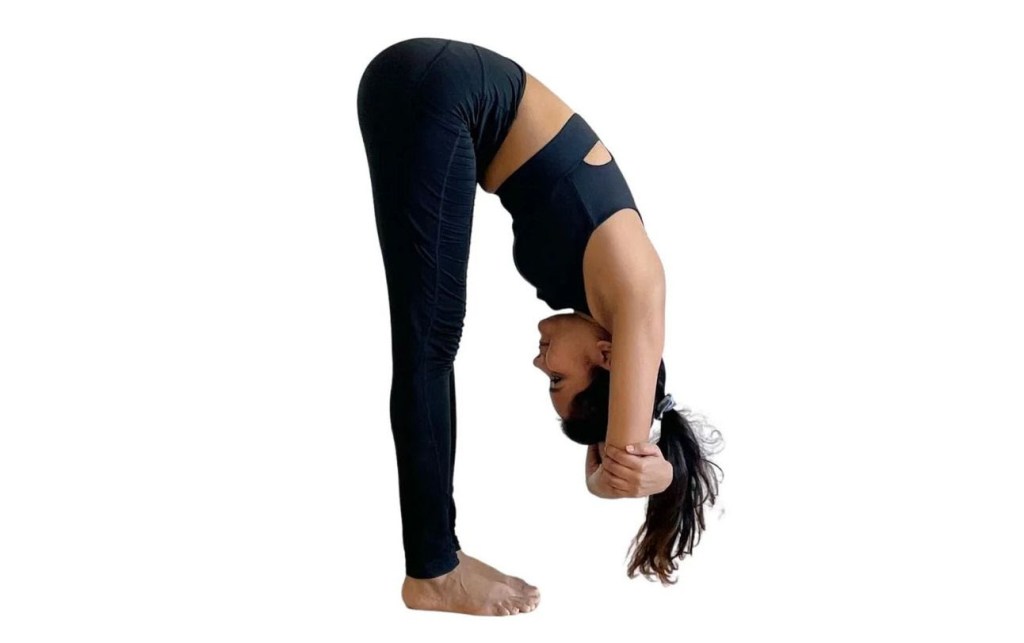
Ragdoll pose is a variation of uttanasana, or standing forward bend. Here, the yogi clasps opposite elbows, bends the knees and allows the head to hang. The pose releases the low back and revitalizes the mind.
Instructions
Begin standing with the feet hip distance wide.Bend the knees slightly, exhale and bend at the hips.Clasp opposite elbows and allow the head to hang. Shift the bodyweight forward.Hold here or slowly sway side to side.Breathe while holding the pose.Inhale and return to standing.

Man and His Horse

There is a story in zen circles about a man and a horse. The horse is galloping quickly, and it appears that the man on the horse is going somewhere important. Another man, standing alongside the road, shouts, β€œWhere are you going?” and the first man replies, β€œI don’t know! Ask the horse!”