Emotionally Draining Friendships

Signs of Emotionally Draining Friendships
It’s possible that everyone around you is a drama queen, a chronic complainer, or an emotional wreck. When you spend time with them or talk on the phone, they have a way of draining your energy and leaving you feeling emotionally spent.
Some people have little trouble identifying these individuals in their lives. However, if you’re unsure whether a buddy of yours is mentally taxing, have a look at this list of indicators. In addition to observing your friend’s actions, you should search for hints in your own answers.
What You Might Experience
Observing your reactions to your friend during conversations or social interactions is crucial in determining whether or not they are an emotionally draining friend. It’s possible that the friendship is negatively impacting your emotional well-being. These are some clear indicators that your friend can be mentally exhausting you.
Your relationship or friendship is emotionally or physically exhausting, and you experience anxiety, fatigue, or frustration when you talk or hang out with your friend.You regularly make sacrifices to make sure your friend’s needs are met.You worry about their issues more than you do about your own well-being.Your positive feelings for them are starting to disappear.You can’t be yourself around them, or you censor your thoughts and feelings.You don’t get a chance to ask for their advice or support.You no longer enjoy spending time with them or dread talking with them.
Emotionally Draining Behaviors
Perhaps there are just more problems with your friend than there seem to be. Alternatively, it’s possible that your friend is experiencing a really difficult time and isn’t handling it well. For the reason, you might want to take a moment to reflect on whether or not this is a healthy friendship if you see any of these indicators in your friend.
Your friend vents to you nonstop or seems to always be in crisis.Your friend never asks how you’re doing, takes an interest in your life, or listens when you need to vent.Your friend has an endless list of needs and expectations.Your friend’s problems are always bigger, worse, or more extreme than yours.Your friend uses guilt and manipulation when you’re not there for them.Your friend is rarely happy for you and often struggles with envy and jealousy.Your friend wants all the attention and monopolizes the conversation.Your friend doesn’t know how to move on or let things go.Your friend has low self-esteem, needs constant reassurance, and lacks self-awareness.Your friend never thanks you for being there for them.

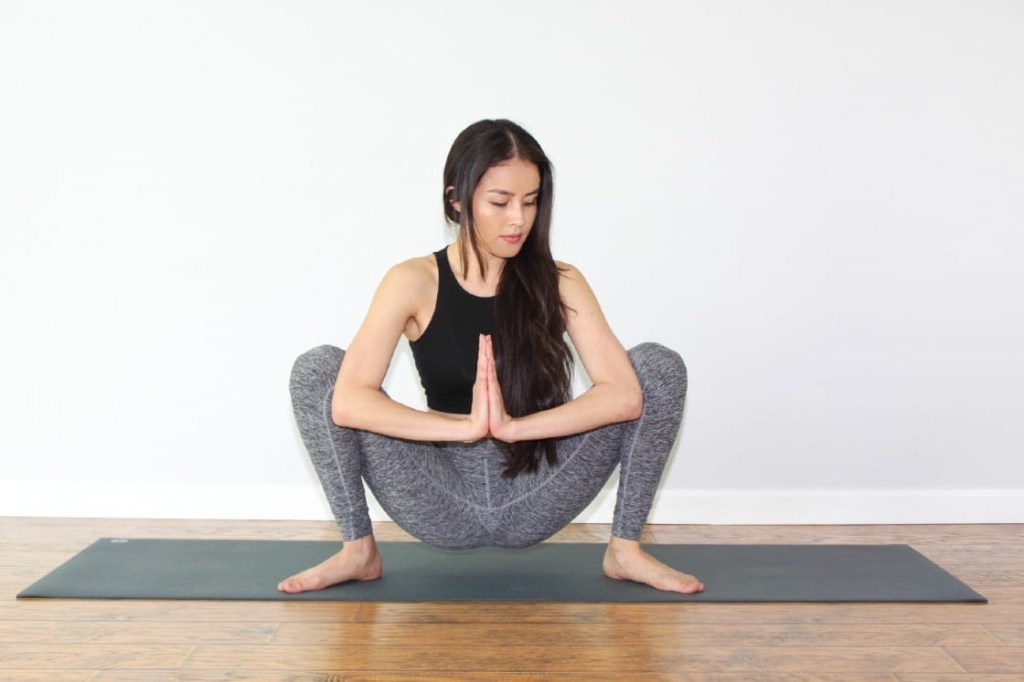
Balancing Butterfly Pose (Malasana)

What is Balancing Butterfly Pose?
Balancing butterfly pose is a variation of malasana or garland pose. Here, the yogi balances on the toes with the hands in prayer. The pose stretches the feet and develops both strength and balance.
Instructions
Begin standing with the feet together.Exhale and lower into a squat.Place the fingertips on the floor in front of the feet to find stability. Open the knees wide and lift onto the toes, bringing the balls of the feet and heels to touch.Slowly bring the hands to prayer in front of the chest and then toward the sky.Breathe while holding the pose.Place the fingertips on the floor, bring the knees together, and inhale to stand.

Show Me Your Temper

A Zen student came to Bankei and complained: “Master, I have an ungovernable temper. How can I cure it?”
“You have something very strange,” replied Bankei. “Let me see what you have.”
“Just now I cannot show it to you,” replied the other.
“When can you show it to me?” asked Bankei.
“It arises unexpectedly,” replied the student.
“Then,” concluded Bankei, “it must not be your own true nature. If it were, you could show it to me at any time. When you were born you did not have it, and your parents did not give it to you. Think that over.”

Dopamine Detox

What is a dopamine detox?
A dopamine detox is a form of cognitive behavioral therapy (CBT) developed by Dr. Cameron Sepah, a California-based psychiatrist intent on helping people manage addictive behaviors.
Sepah thinks that consciously limiting addictive activities can promote more flexible thinking and increase awareness of impulsive behaviors in people.
Contrary to what the name suggests, Sepah’s dopamine fasting program aims to increase dopamine levels rather than deprive the brain of dopamine. In fact, Sepah is noted in the New York Times as saying that one should not take the name of his cognitive behavioral therapy method literally.
The misinterpretation of dopamine fasting has led to a popular fad of denying yourself any pleasurable experiences with the unsubstantiated belief that doing this will “reset” your brain or help lower the threshold at which you experience pleasure.
What dopamine fasting is NOT
Sedah specifically states in his protocol that dopamine fasting isn’t:
reducing dopamineavoiding all pleasuresocial isolationstopping exercisea form of meditation
Tips to help you detox from dopamine
1. Creating barriers
Original dopamine fasting involves making an undesirable habit difficult to participate in. This can mean:
putting something out of reach or line of sightmaking it inconvenientlimiting time spent with others sharing the habitinstalling blocking apps and softwaregiving someone else control of necessary resources, like credit cards
2. Selecting beneficial alternatives
Once you’ve made it challenging to engage in the undesired behavior, the next step is to pick an alternative experience that promotes your well-being.
Options may include things such as:
exerciseplaying with a petreadingdrawing or paintingcalling a loved onemeditatingvolunteering
3. Understanding underlying causes
Part of dopamine detox is understanding why you want to engage in a specific activity. If your underlying feeling is boredom, for example, recognizing when you’re bored can help keep you from impulsively going to the undesired activity.
Journaling may be beneficial in emotional exploration, allowing you to recognize and put names to the feelings you experience throughout the day.

Grounding Techniques

There are multiple ways to perform grounding—making direct skin contact with the surface of the earth (grass, sand, soil, or water). Grounding methods include:
Walking barefoot outdoors on grass, sand, or soilStanding in humid soil or sand with bare feetGardening or simply pressing your bare hands into grass, soil, or waterSitting with your bare feet positioned flat on the groundLying flat on grass, sand, or soil with your back, legs, or arms bareSubmerging yourself in a natural body of water, such as a pond, river, lake, or ocean