Morning Anxiety? Take Charge of Your Day with These Simple Tips

“Anxiety may knock at your door, but you have the power not to let it stay. Every deep breath, every moment of calm you choose, is a victory over the storm.”

Unknown

Waking up with a knot of anxiety in your stomach can be a jarring way to start the day. But if you experience morning anxiety, you’re not alone. It’s a common issue, often linked to our body’s natural rhythms and stress responses. The good news is, you can learn to manage it effectively and reclaim your mornings.

Why Does Morning Anxiety Happen?

Several factors contribute to that early-morning unease:

  1. Cortisol Surge: Your body releases cortisol, the stress hormone, in the morning to help you wake up. But if your stress levels are already high, this surge can feel overwhelming, leading to anxiety.
  2. Racing Thoughts: The quiet of the morning can allow worries and to-do lists to flood your mind, creating a sense of urgency or dread before you even get out of bed.
  3. Low Blood Sugar: After a night of fasting, your blood sugar dips, which can contribute to feelings of shakiness and anxiety.
  4. Unresolved Stress: Lingering worries from the previous day can carry over into the morning, leaving you feeling tense and anxious.

How to Take Back Your Mornings:

  1. Breathe Deeply: Before you even get out of bed, take 3-5 deep breaths. Inhale for a count of four, hold for four, and exhale for six. This simple practice activates your parasympathetic nervous system, calming your body and mind.
  2. Skip the Caffeine Kickstart: Instead of reaching for coffee first thing, try herbal tea or water with lemon. Caffeine can exacerbate anxiety, especially on an empty stomach.
  3. Get Moving: Gentle stretching or a quick yoga routine can release tension and reduce stress hormones. Even a 5-minute session can make a world of difference.
  4. Nourish Your Body: Eat a balanced breakfast with protein and healthy fats to stabilize your blood sugar and provide sustained energy. Think eggs, avocado toast, or a smoothie with nut butter.
  5. Declutter Your Mind: Jot down your worries, to-do lists, or intentions for the day in a journal. This helps clear mental clutter and provides a sense of control.
  6. Cultivate Gratitude: Start your day by focusing on the positive. Write down three things you’re grateful for. This simple practice can shift your mindset and set a more positive tone for your day.

Morning anxiety can be challenging, but it’s not insurmountable. By incorporating these simple strategies into your routine, you can reclaim your mornings and start your day feeling calm, centered, and ready to take on whatever comes your way

Turning Pain into Power: Stories of Resilience and Transformation

“Trauma may leave scars, but every scar is proof of your strength—evidence that you endured, and a reminder that healing is possible.”

Unkown

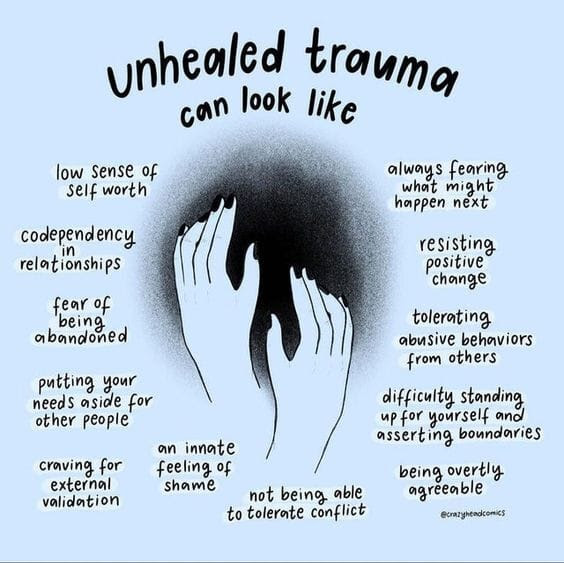
Trauma can cast a long shadow, leaving us feeling wounded and vulnerable. But even in the darkest of times, the human spirit has an incredible capacity for resilience. Stories of those who have transformed their pain into power offer hope and inspiration, reminding us that while trauma may change us, it doesn’t have to define us.

Maya’s Story: From Survivor to Advocate

Maya, a survivor of childhood abuse, carried the weight of her experiences for years, struggling with feelings of worthlessness and shame. But through therapy and the support of her community, she realized that her story could be a source of strength for others. Today, Maya is an advocate for young people, speaking at schools and community centers, empowering others to recognize their own resilience and break the silence around abuse.

James’s Story: Finding Healing Through Art

James, a veteran who returned home with PTSD, battled flashbacks, nightmares, and isolation. He found solace in art therapy, using painting as a way to process his emotions and find a sense of peace. What began as a therapeutic outlet blossomed into a fulfilling career as an artist. James’s artwork not only helps him heal but also inspires others to confront their own struggles and find creative outlets for expression.

The Science of Resilience

Resilience isn’t about ignoring pain or pretending it doesn’t exist. It’s about acknowledging the pain, accepting it as part of your journey, and finding ways to move forward. Psychologists call this post-traumatic growth – the idea that adversity can lead to profound personal development. By seeking support, finding purpose, and practicing self-compassion, many survivors discover inner strength they never knew they had.

Embracing the Journey

These stories remind us that resilience is a process, not a destination. Healing takes time, and there’s no one-size-fits-all approach. But through courage, determination, and self-belief, it’s possible to transform even the darkest moments into a source of light, not just for ourselves, but for others.

Your Story is Not Over

Your pain is not the end of your story. It can be the catalyst for profound growth and transformation. By embracing your experiences, seeking support, and finding new sources of meaning, you can turn your pain into power and inspire others to do the same.

Taming the Inner Critic: How to Control Negative Thoughts

“Everything can be taken from a man but…the last of the human freedoms– to choose one’s attitude in any given set of circumstances.”

Viktor Frankl

We all have that inner voice that loves to chime in with negativity, doubts, and fears. While negative thoughts are a normal part of life, letting them run rampant can wreak havoc on our mental and emotional well-being.

The good news? You can learn to control those negative thoughts and cultivate a more positive mindset. It’s not about ignoring challenges, but about reframing how you respond to them.

Here’s how to master the art of controlling negative thoughts:

1. Become a Thought Detective:

Pay close attention to your inner dialogue. What kinds of thoughts pop up most often? Identify patterns that trigger self-doubt, fear, or anxiety. Once you’re aware of these patterns, you can start to challenge their validity.

Ask yourself:

  • Is this thought based on facts, or is it an assumption?
  • What evidence supports this thought?
  • Is there another way to look at this situation?

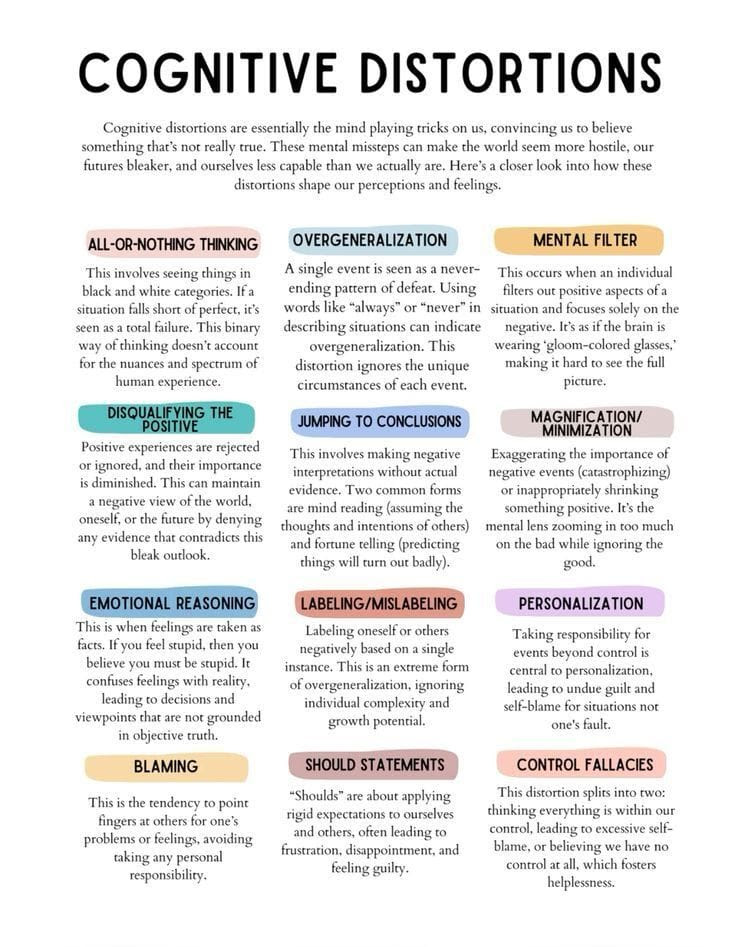
Often, our minds tend to exaggerate fears that lack concrete evidence.

2. Reframe Your Thoughts:

Instead of getting caught in a spiral of negativity, practice reframing your thoughts. For example, instead of thinking, “I’ll never succeed at this,” try shifting to, “I’m learning and growing, and every step brings me closer to my goal.”

Positive affirmations can be powerful tools to reinforce this positive mindset. Repeat affirmations like “I am capable,” or “I am worthy” to create a mental environment that nurtures resilience and self-belief.

3. Find Your Center with Mindfulness:

When negative thoughts threaten to overwhelm you, mindfulness techniques can help you regain control. Deep breathing exercises, meditation, or even a mindful walk in nature can ground you in the present moment, reducing overthinking and redirecting your energy towards constructive actions.

4. Cultivate a Positive Environment:

Surround yourself with positive influences. Spend time with supportive friends, engage with uplifting content, and participate in activities that bring you joy. These external factors can have a profound impact on your internal state, helping you maintain a more optimistic outlook, even during challenging times.

Remember, controlling negative thoughts is a skill that requires practice. Be patient with yourself, and celebrate your progress along the way. With consistent effort, you can transform your inner dialogue into a source of strength, resilience, and empowerment.

Beyond Trauma: Finding Growth with Acceptance and Commitment Therapy (ACT)

“Radical acceptance rests on letting go of the illusion of control and a willingness to notice and accept things as they are right now.”

Tara Brach

Trauma can leave deep wounds, shattering our sense of safety and disrupting our lives. But amidst the hardship, a remarkable phenomenon can occur: post-traumatic growth (PTG). This involves finding new meaning, strength, and even opportunities for growth in the aftermath of trauma. Acceptance and Commitment Therapy (ACT) offers a powerful framework for navigating this journey from struggle to transformation.  

ACT and the Path to Post-Traumatic Growth

ACT emphasizes psychological flexibility, which is the ability to adapt to challenges with openness, mindfulness, and a commitment to one’s values. For those processing trauma, this flexibility is essential for moving beyond the pain of the past and building a life enriched by resilience and purpose.  

The Six Core Processes of ACT:

  1. Acceptance: Trauma often leaves us grappling with intense emotions like fear, anger, and grief. ACT encourages us to embrace these feelings, not as obstacles, but as natural responses to difficult experiences. By allowing these emotions to exist without resistance, we free up energy to focus on what truly matters.  
  2. Cognitive Defusion: Traumatic events can create negative thought patterns (“I’m broken,” or “I’ll never be safe again”). ACT helps individuals detach from these thoughts, recognizing them as mental events rather than absolute truths. This shift can unlock new perspectives and self-compassion.  
  3. Values Clarification: Trauma can disorient our sense of purpose. ACT guides individuals to reconnect with their core values – whether it’s family, creativity, or service – and use these values as a compass for rebuilding their lives.  
  4. Committed Action: Growth requires action, even when faced with fear or doubt. ACT encourages taking small, meaningful steps towards goals aligned with one’s values, fostering a sense of agency and hope.  
  5. Self-as-Context: This involves developing a sense of self that is larger than the trauma, recognizing that you are more than your experiences.  
  6. Contact with the Present Moment: Cultivating mindfulness helps individuals stay grounded in the present, rather than being consumed by past traumas or anxieties about the future.  

How ACT Facilitates Post-Traumatic Growth:

  • Reframing Pain as a Teacher: Instead of viewing trauma as solely negative, ACT encourages exploring the lessons and strength gained through adversity.  
  • Building Resilience Through Mindfulness: Staying present allows individuals to face challenges with openness and awareness, rather than being overwhelmed by memories or fears.  
  • Empowering Change Through Values-Based Living: Trauma often shifts priorities. ACT helps individuals align their actions with their newfound clarity about what truly matters.  

Moving Forward with Purpose:

Post-traumatic growth doesn’t erase the pain of trauma; it integrates the experience into a larger, more meaningful narrative. ACT provides the tools to navigate this process, helping individuals live with purpose and resilience. By accepting what cannot be changed and committing to what truly matters, we can transform struggle into strength and loss into opportunity.  

Growth after trauma is not only possible, but it’s a testament to the human spirit’s ability to heal and evolve. ACT offers a compassionate and evidence-based path for those ready to turn pain into progress. Sources and related content

Ayurveda Recipes: Gold Milk

Gold milk is the fabled “milk and honey” of the promised land and provides tremendous nourishment. Its fragrant spices will awaken your appetite for its nurturing satisfaction. In South Asia, people believe milk is sacred because it (along with fruits) are one of the few foods freely given without violence to the plant or animal. A mother freely gives milk to a calf with love. Gold milk is thus a loving way to relax and enjoy the holiday season.
Ingredients
1 c MILK
1 tsp HONEY
2 pinch TURMERIC
2 pinch CINNAMON
2 pinch CARDAMOM
Instructions
1. Heat milk with spices until it just boils.
2. Remove from heat. Let cool a few minutes and pour into a cup with honey. Be sure not to heat the honey with the milk and herbs. The honey can liquefy in the warmed milk, but heating honey is not recommended.