The Healing Power of Art Therapy

Quote of the day…

β€œSelf love is an ocean and your heart is a vessel. Make it full, and any excess will spill over into the lives of the people you hold dear. But you must come first.”

Beau Taplin
Art therapy is a unique form of mental health therapy that uses creative expression as a means of healing and self-discovery. Whether it’s painting, drawing, sculpting, or any other artistic endeavor, art therapy provides a safe and non-verbal space for individuals to explore and process their emotions.

How Does Art Therapy Work?

In an art therapy session, individuals engage in creative activities under the guidance of a trained therapist. These activities can include:

  • Painting
  • Drawing
  • Sculpting
  • Collaging
  • Working with clay

The focus is not on creating a masterpiece, but rather on the creative process itself. Through this process, individuals can:

  • Uncover hidden emotions: Explore and express feelings that may be difficult to put into words.
  • Gain self-awareness: Discover underlying thoughts, feelings, and patterns of behavior.
  • Process traumatic experiences: Work through past traumas and unresolved issues.

The Benefits of Art Therapy:

Art therapy offers a wide range of benefits, including:

  • Emotional Release: Provides a safe outlet for emotions such as anger, sadness, and anxiety.
  • Stress Reduction: Helps reduce stress, anxiety, and depression by providing a creative outlet for emotional release.
  • Improved Mood: Triggers the release of endorphins, leading to improved mood and a sense of well-being.
  • Enhanced Self-Esteem: Builds confidence and self-esteem through the accomplishment of creating something unique.
  • Improved Communication: Facilitates communication for individuals who struggle with verbal expression.
  • Stress Relief: Offers a mindfulness-based approach to stress reduction.
  • Physical and Mental Healing: Can support physical rehabilitation and improve cognitive function.

Who Can Benefit from Art Therapy?

Art therapy can be beneficial for people of all ages and backgrounds, including those experiencing:

  • Anxiety and Depression
  • Trauma
  • Grief and Loss
  • Chronic Pain
  • Stress and Burnout
  • Low Self-Esteem

If you’re considering art therapy, it’s essential to find a qualified and experienced art therapist who can guide you on your healing journey.

Disclaimer: This information is for general knowledge and informational purposes only and does not constitute medical advice.

Acceptance and Commitment Therapy: A Path to Psychological Flexibility

Quote of the day:

“Life’s persistent and most urgent question is, ‘What are you doing for others?'”

Martin Luther King Jr.

Acceptance and Commitment Therapy (ACT) is a modern approach to mental well-being that emphasizes acceptance, mindfulness, and values-driven action. Developed in the 1980s, ACT has gained significant traction for its ability to help individuals navigate life’s challenges with greater ease and resilience.

Key Principles of ACT:

ACT is built upon six core principles:

  • Cognitive Defusion: Learning to observe your thoughts without judgment, rather than getting caught up in them.
  • Acceptance: Embracing your thoughts and feelings, both positive and negative, without trying to suppress or avoid them.
  • Mindfulness: Cultivating present-moment awareness and observing your internal experiences with non-judgment.
  • Self-as-Context: Recognizing that you are more than your thoughts and feelings.
  • Values Clarification: Identifying what truly matters to you and aligning your actions with your values.
  • Committed Action: Taking consistent steps towards your goals based on your values.

Benefits of ACT:

ACT has been shown to be effective in addressing a range of mental health concerns, including:

  • Anxiety
  • Depression
  • Chronic pain
  • Stress
  • Relationship issues

How ACT Works:

Instead of focusing on eliminating negative thoughts or feelings, ACT helps individuals:

  • Accept their inner experiences: Acknowledge and embrace their thoughts and feelings without judgment.
  • Connect with their values: Identify what truly matters to them and align their actions with those values.
  • Take committed action: Engage in meaningful activities that align with their values, even when faced with challenges.

By cultivating psychological flexibility, ACT empowers individuals to:

  • Reduce stress and anxiety: By accepting their internal experiences, individuals can lessen the impact of negative emotions.
  • Increase self-awareness: Mindfulness practices enhance self-awareness and allow individuals to make more conscious choices.
  • Live a more meaningful life: By aligning their actions with their values, individuals can experience a greater sense of purpose and fulfillment.

ACT offers a refreshing approach to mental well-being that emphasizes acceptance, mindfulness, and values-driven action. If you’re interested in learning more about ACT and how it can benefit you, consider exploring resources such as books, workshops, or seeking guidance from a qualified therapist.

Disclaimer: This blog post is for informational purposes only and does not constitute professional medical advice.

Ayurveda Recipes: Buckwheat Bran Muffin With Applesauce & Walnuts

Sweet and warming, these muffins will satisfy your tummy without burdening digestion. The sour burst of cranberry and crunch of walnut add taste and texture. They feel light in your stomach in comparison to the heavy, dull sensation of a processed version. The high fibre content in this recipe will support healthy elimination and leave you feeling energetic and full all morning. Warming cinnamon, cardamom and ginger will stimulate digestive strength and burn digestive toxins.
Ingredients
1/2 c MAPLE SYRUP
1/4 c WALNUTS
1 tbsp BUTTER (UNSALTED)
3 whole EGGS
1 tbsp BAKING SODA
2 tsp CARDAMOM
2 oz CRANBERRY
1 tsp CINNAMON
1 tsp BAKING POWDER
1 c TAPIOCA
1 tsp GINGER (DRIED)
1 c BUCKWHEAT
1/2 c ALMOND MILK
1/2 c APPLE
1/2 c RICE BRAN
Instructions
Ingredient Notes:
Use tapioca and buckwheat flour
Use applesauce in place of cooked apples
Use stablizied rice bran
1. Preheat oven to 350F. Prepare 12-16 muffin cups by gently greasing with butter.
2. In a large bowl, combine buckwheat flour, tapioca flour, rice bran, baking powder, baking soda, ginger, cinnamon and cardamom (dry ingredients).
3. In another bowl, whisk almond milk, eggs, maple syrup, applesauce (wet ingredients).
4. Add wet ingredients to dry ingredients and combine until smooth. Finally, add cranberries and walnuts.
5. Neatly spoon mixture into muffin cups. Bake for 20 minutes or until a toothpick comes out clean (no batter).
6. Let cool in tray for 10 minutes before serving.

Breaking Free: Overcoming Negative Thought Patterns

Quote of the day…

“You cannot control the waves, but you can learn to surf.”

Jon Kabat-Zinn

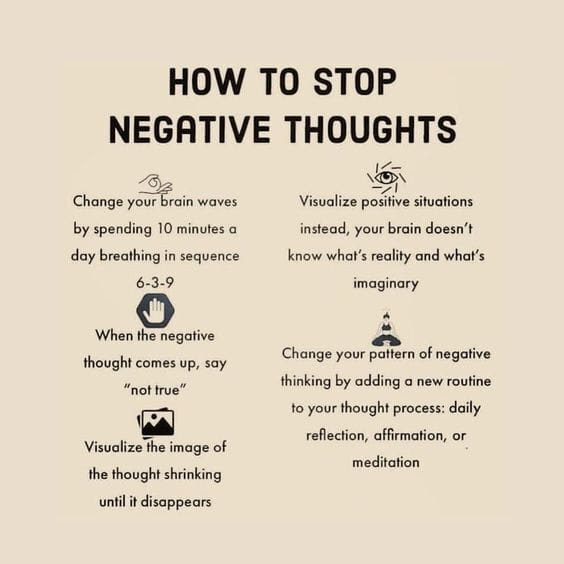
Negative thoughts can cast a long shadow, impacting our mood, behavior, and overall well-being. But the good news is, you don’t have to be a prisoner to these thoughts. By understanding how they work and implementing some practical strategies, you can break free and cultivate a more positive mindset.

1. Recognize the Patterns:

The first step is to become aware of your inner dialogue. Pay close attention to your thoughts throughout the day. Are you frequently criticizing yourself? Do you tend to focus on the negative aspects of situations? Identifying these patterns is crucial for taking control.

2. Challenge the Narratives:

Once you’ve recognized a negative thought, challenge its validity. Ask yourself:

  • Is there any evidence to support this thought?
  • Am I making assumptions?
  • Is this thought truly helpful or is it just creating unnecessary stress?

Replacing negative, inaccurate thoughts with more balanced and realistic ones can significantly improve your outlook.

3. Embrace Mindfulness and Meditation:

Mindfulness involves being present in the moment, observing your thoughts without judgment. By focusing on the present, you can interrupt the cycle of ruminating on past mistakes or worrying about the future. Meditation can help calm the mind, allowing you to gain a more objective perspective on your thoughts.

4. Reframe Your Perspective:

Instead of dwelling on the negative, try reframing situations. Look for the silver lining, focus on what you can control, and view challenges as opportunities for growth and learning.

5. Cultivate a Positive Environment:

Your surroundings play a crucial role in shaping your thoughts. Surround yourself with positive influences – people who uplift you, activities that bring you joy, and environments that promote peace and relaxation.

6. Take Action:

Feeling stuck can fuel negative thinking. Taking small, consistent steps towards your goals, even if they seem insignificant, can build momentum and boost your confidence.

7. Seek Professional Support:

If negative thoughts are persistent and significantly impacting your life, don’t hesitate to seek professional help. A therapist can provide guidance and support in developing healthier thought patterns.

Breaking free from negative thought patterns takes time and effort, but it’s a worthwhile investment. By implementing these strategies, you can cultivate a more positive and fulfilling life.

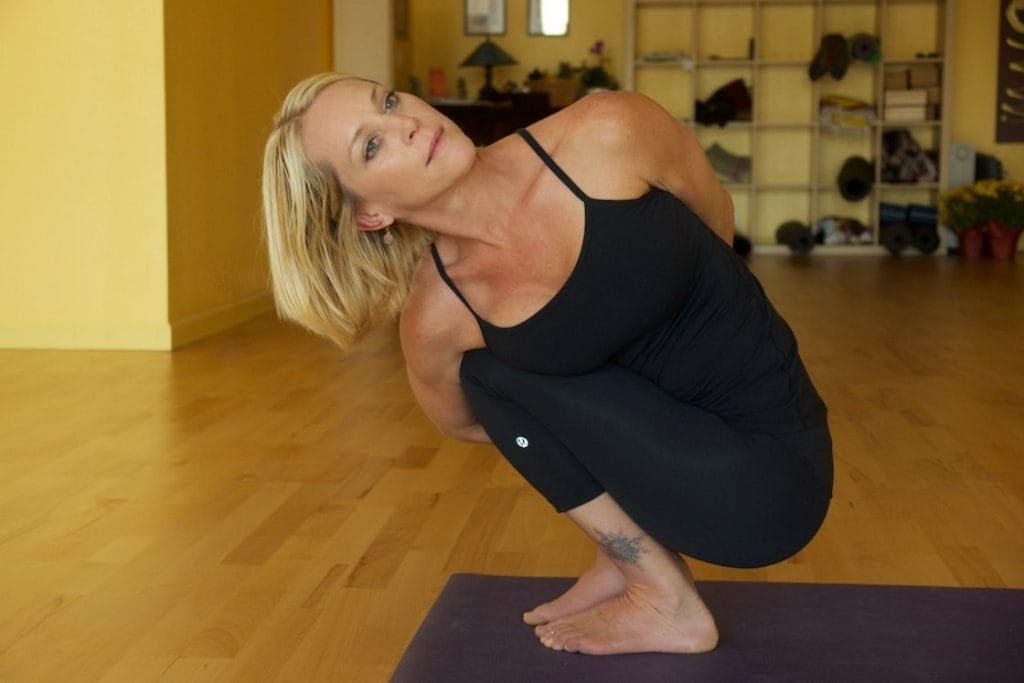
Noose Pose (Pasasana)

What is Noose Pose?
Noose pose, or Pasasana in Sanskrit, is an intermediate twist. From a squatting position, the practitioner twists to the side and binds their arms around their legs. It’s a deeper twist than matsyendrasana and brings even greater flexibility to the spine and shoulders.
Instructions
Begin in a squat with the feet together.Exhale and twist to the right.Tuck the left upper arm outside of the right thigh and bend the elbow, reaching the forearm around the legs.Reach the right arm behind the torso. Clasp the hands. Gaze to the right.Breathe while holding the pose.Exhale and untwist. Change sides.