Meditative Drawing: Exploring Mindfulness Through Art

“Kindness is one thing you can’t give away. It always comes back.”
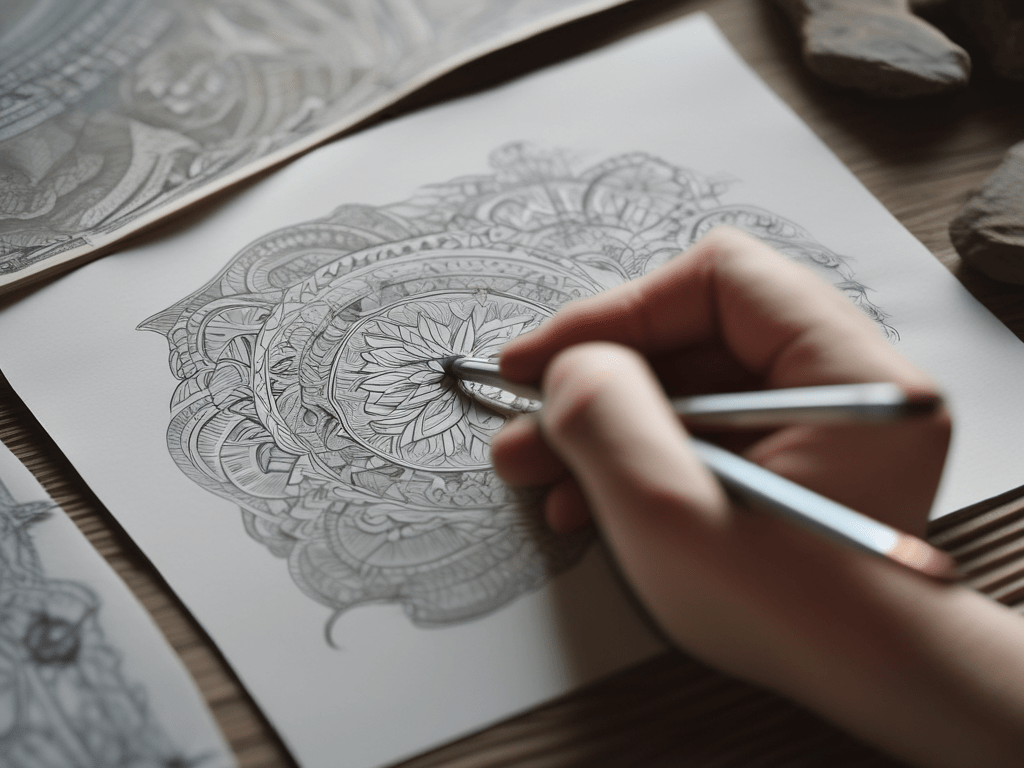
Meditative drawing is a form of art therapy that uses the focus and calmness of meditation with the creative freedom of drawing to relax and focus the mind. This practice isn’t about creating perfect artwork but about the process of drawing itself. It all comes down to living in the now and allowing your ideas to come to you naturally on paper. When you explore your creativity through meditative drawing, you can observe your thoughts and feelings without passing judgment.
There’s no right or wrong in meditative drawing. It all comes down to using mindfulness to help you connect with the present moment and expressing yourself freely.
Meditative drawing can take many forms. Some people may find peace in drawing simple shapes or patterns, while others might enjoy more detailed work like sketching nature scenes or designing intricate patterns. The important thing is that the procedure should be soothing and joyful, promoting inner peace and helping to settle the mind.
This form of meditation can be particularly beneficial for those who find traditional seated meditation challenging. It presents a dynamic and imaginative substitute for mindfulness. You can bring your attention back to the current moment by concentrating on the actual act of drawing.
Steps to begin meditative drawing
1. Find a comfortable seat: Select a peaceful, cozy area where you may sit without being bothered. It could be a comfortable chair, a floor cushion, or perhaps a bench in a serene outdoor area.
2. Relax your body: Begin by taking a few deep breaths to relax your body. Release any tension in your hands, neck, and shoulders. You can become more calm and focused by practicing relaxation.
3. Feel the pen in your hand: Hold your drawing tool and pay attention to how it feels in your hand. Take note of its motion on the paper, as well as its weight and texture. You may develop a stronger bond with the drawing process by being more mindful of this.
4. Draw without judgment: Let go of any critical thoughts about your drawing skills. Drawing as a meditation is more about the process than the product. Give your hand free reign to roam across the page.
5. Stay connected to your senses: As you draw, engage with your senses. Take note of any scents in the air, feel the movement of your hand, and hear the sound of the pen on the paper. The senses working together to improve consciousness.
6. Reflect on your drawings: After you finish drawing, spend some time reflecting on the experience. Think back on your experiences and the feelings and ideas that came up.

Ayurveda Recipes: Rose Petal Cherry Sorbet

Sweet, soothes the liver and builds the blood. Cherries and most red, blue or orange foods are a home remedy for the liver and anemia.
Ingredients
4 c CHERRY
1/2 c RAW SUGAR
1 tbsp ROSE PETALS
Instructions
Boil 1/3c water in sugar until dissolved. Remove cherry pits and blend ingredients. Put in freezer. After one hour or when ice begins to form, stir every fifteen minutes until frozen.
If dried cherries use 2c + enough water to fill a quart. Boil water and dried cherries with sugar until sugar is dissolved and cherries are re-hydrated.

Mindful Movement: Breathing Exercises, Walking Meditation, and Yoga Practice

“Life is 10% what happens to us and 90% how we react to it.”
Breathing exercises are different from when we observe our breath at rest during seated meditation. Rather, we intentionally lengthen our breaths to quiet our parasympathetic nervous system or deliberately shorten them for brief intervals to reenergize and refocus in order to establish a connection with our body.
A walking meditation can be a simple and effective way to explore mindful movement. The primary distinction between strolling normally and engaging in a walking meditation is that during the former, our goal is to become still. Rather, we take our time and make an effort to walk with complete awareness. This may manifest as paying attention to our breathing or when we take each stride and become more aware of the ground beneath our feet. We return our thoughts back to the present feelings when they stray.
Stretching and yoga can help us release tension, stiffness, and heavy emotions. Our body and minds both experience discomfort when immobility persists. We can increase our energy, attention, and resilience by taking a moment to let go of the day’s distractions, moving away from the couch or desk, and practicing mindful movement.
If you’re looking to blow off steam, working out is another opportunity for mindfulness. Exercise can help us become more aware of our bodies, coordinate our breathing, and live in the present moment while also strengthening and nourishing our muscles.
How to Make Movement Mindful
If you would want to experiment with something other than sitting meditation, mindful movement can be an excellent approach to mix up your mindfulness practice. For individuals who find it difficult to sit still, it might also serve as a gateway to mindful practice. Just by paying attention to your body when you move, you may include mindfulness into any exercise or stroll. Try to focus on what you’re doing as you work and put the headphones away. If you find yourself thinking about uninteresting things, focus on your body or your breathing. Adding mindfulness to your exercise routine may possibly make it more enjoyable for you.

Energize Your Mind with Elbow Stand Yoga Pose

What is Elbow Stand?
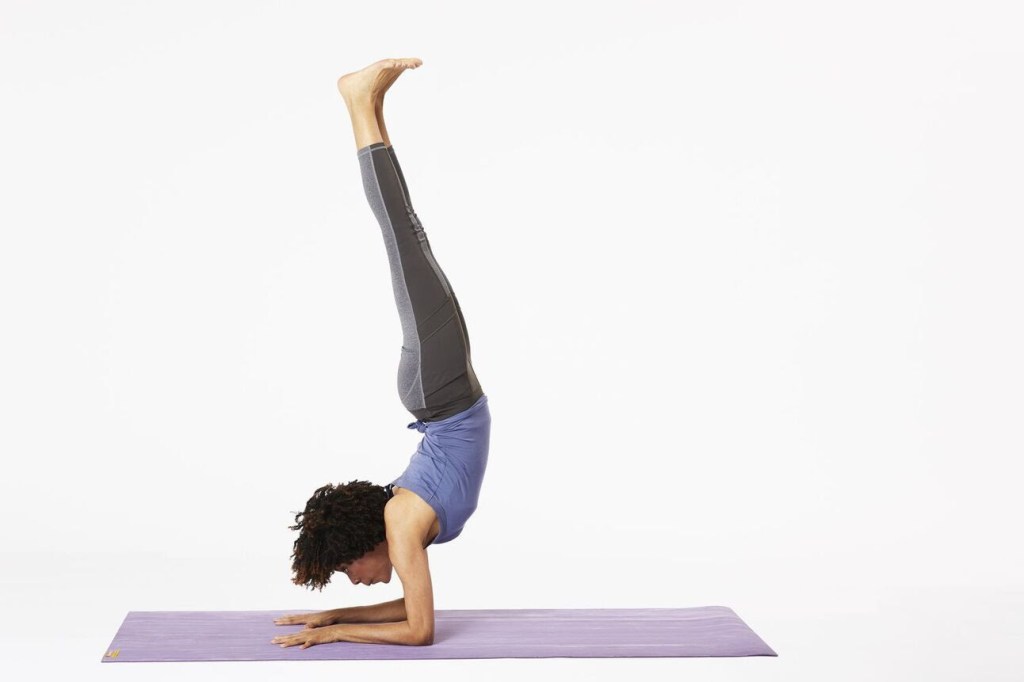
Elbow stand, or sayanasana in Sanskrit, is an advanced balancing inversion. From peacock pose, the yogi lifts their hands to balance on the elbows. The pose strengthens the arms and core and energizes the mind.
Instructions
Begin in peacock pose and find steady balance.Carefully lift one hand from the floor and cup it against the cheek.Do the same with the other hand.Balance for a moment or as long as possible.Exhale and drop the legs and forearms down into a forearm plank.

7 Practical Ways to Enhance Your Spiritual Health and Well-being

In today’s fast-paced world, maintaining spiritual health is essential for overall well-being. Whether you belong to a faith community or not, there are several ways to nourish your spirit and find deeper meaning in life. Here are some practical steps to enhance your spiritual health:

1. Connect with Your Faith Community

According to Gallup research, 43 percent of Americans identify as members of a church or other religious organization. These places of worship provide a sense of community and support, especially for those dealing with mental health issues.

Reestablish connections with individuals or groups that share your values and beliefs. Whether in person, over the phone, or online, find ways to engage with like-minded people in your faith community who can offer support and encouragement. Don’t hesitate to reach out to a pastor or other spiritual leaders for guidance.

2. Volunteer or Help Others

If you don’t belong to a faith community, giving back to a cause you care about is another way to feel connected to your spirituality and faith. Consider volunteering at a food bank, becoming a tutor or mentor, or fostering an animal. Engaging in these activities allows you to meet like-minded individuals, strengthen your community, and experience spiritual fulfillment. Serving others can also cultivate feelings of gratitude and purpose.

3. Practice Yoga

You don’t need to be a seasoned yogi to benefit from yoga spiritually. People of all skill levels can practice yoga. It not only strengthens and stretches your body but also benefits your mind and spirit by reducing stress, depression, and anxiety.

4. Meditate

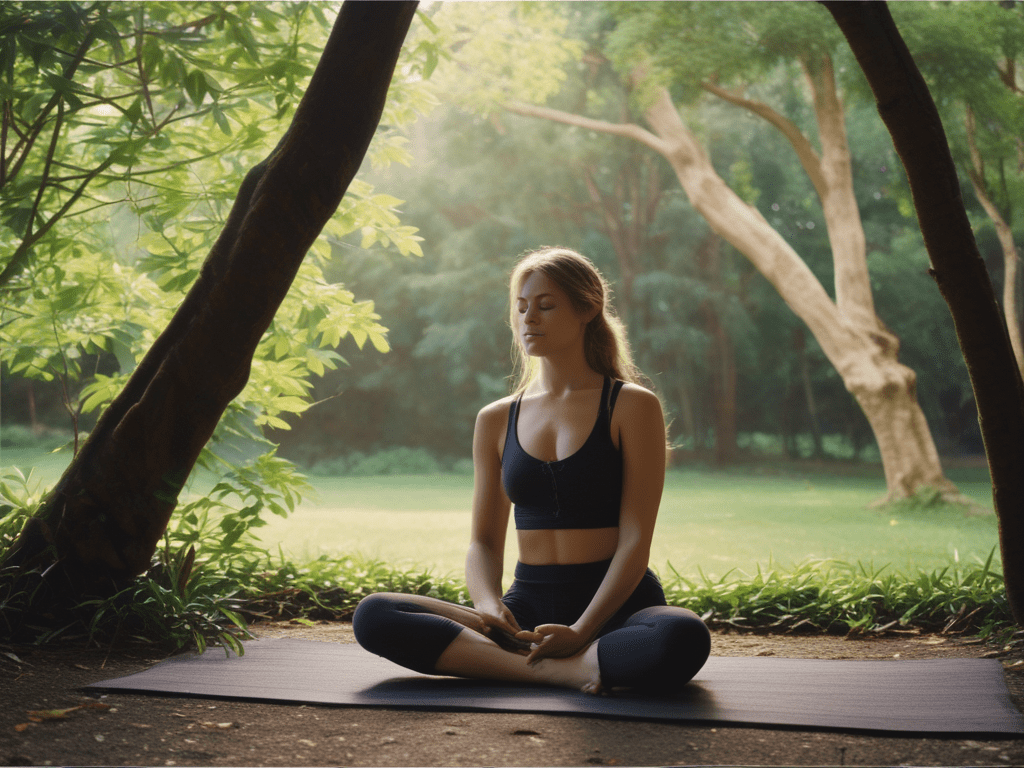
Like yoga, you don’t need to be an expert to practice meditation. Meditation is one of the simplest disciplines to maintain because it requires very little time. Contrary to popular belief, you don’t have to sit in silence to meditate. You can meditate while walking, paying attention to the small details of your environment or the sensation of your feet on the ground. Simply practicing physical stillness can slow down your mind.

Even five minutes of meditation can improve mindfulness and help reduce stress, worry, and sadness. If you need assistance, there are great guided meditation apps like Calm or Balance.

5. Maintain a Journal

Writing in a journal can help you become more aware of your emotions, understand them, and provide a safe outlet for expressing them. You could start a gratitude journal with daily prompts or jot down your anxieties and fears. This practice can be therapeutic and insightful.

6. Take Time to Explore the Outdoors

Spending time in nature can significantly enhance your spiritual health, whether you live near the desert, mountains, or ocean. Disconnecting from your phone, daily tasks, and worries becomes inevitable. Even a brief period spent observing birds, wind-tossed trees, or waves crashing on the shore can be incredibly soothing.

7. Focus on Your Hobbies

Engaging in activities you enjoy, whether it’s knitting, coloring, cooking, playing a sport, or working out, can help you reconnect with your sense of purpose and stay present. Even brief moments of immersion in something you love can be rejuvenating.

By incorporating these practices into your routine, you can boost your spiritual health, find deeper connections, and lead a more fulfilling life.