Understanding Traumatic Memories: Triggers and Solutions

“Believe in yourself! Have faith in your abilities! Without a humble but reasonable confidence in your own powers you cannot be successful or happy.”
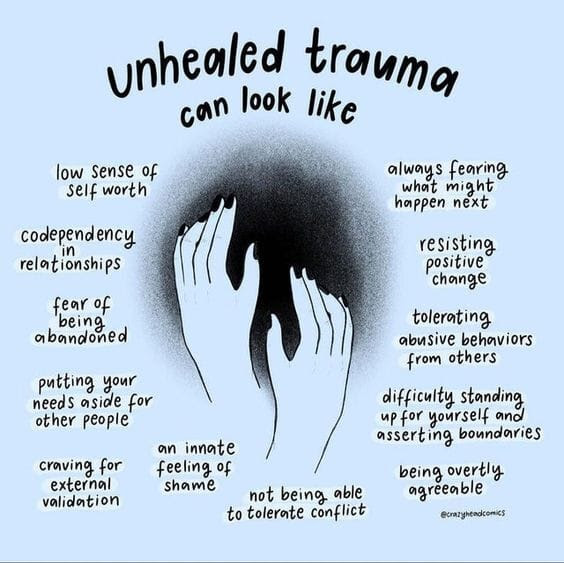
Traumatic memories: what are they?
Traumatic memories are frequently stored in the subconscious until they are triggered by particular events.
Places, experiences, emotions, and people can all act as triggers. For instance, being in a crowd could trigger a terrible occurrence you had at a concert. Triggers cause the memory to become salient and can mean the person feels like they’re reliving the event.
This can induce psychological and physiological symptoms such as issues regulating negative emotions, increased heart rate, nervousness, and sweating.
Some attempt to suppress painful memories in an effort to avoid negative emotions. While doing so may temporarily alleviate symptoms, over time it may make the problem worse.
Solutions:
1. Identify possible triggers
Even if it could seem like unpleasant memories are all you can think about, you might be able to ignore them for the most part.
You may, however, be able to recollect these memories in response to specific internal or external stimuli, or triggers. The traumatic memory itself determines how specific these triggers are.
Certain memories are activated by specific stimuli, like a certain house or aroma, while others are triggered by more general ones, like loud noise or crowded areas.
You might be able to prevent unpleasant memories from being triggered if you can recognize your triggers and stay away from them.
However, if the triggers are more general, this may be difficult. Finding the trigger in this situation is still beneficial since you can use soothing methods like breathing exercises, grounding (staying in the moment), and flashback halting strategy.
The method known as “flashback halting protocol” takes you back to the present by preventing the flashback from occurring.
Researchers suggest that triggers can be reassociated with different memories. Reducing the impact of a traumatic memory on your life might be achieved by associating such triggers with pleasant experiences or emotions.
2. Exposure therapy
One popular type of psychotherapy that tries to expose people to their concerns is called exposure therapy. A mental health professional offers safe spaces for you to confront unpleasant memories and helps you develop useful coping mechanisms.
Numerous research have proven that exposure therapy works. One study showed that exposure therapy could reduce PTSD symptoms in female veterans.
Narrative exposure  is another form of exposure therapy that involves an individual telling the story of their entire life rather than just repeating the one traumatic event. This method has been effective, particularly with refugees and individuals who have gone through torture and conflict.

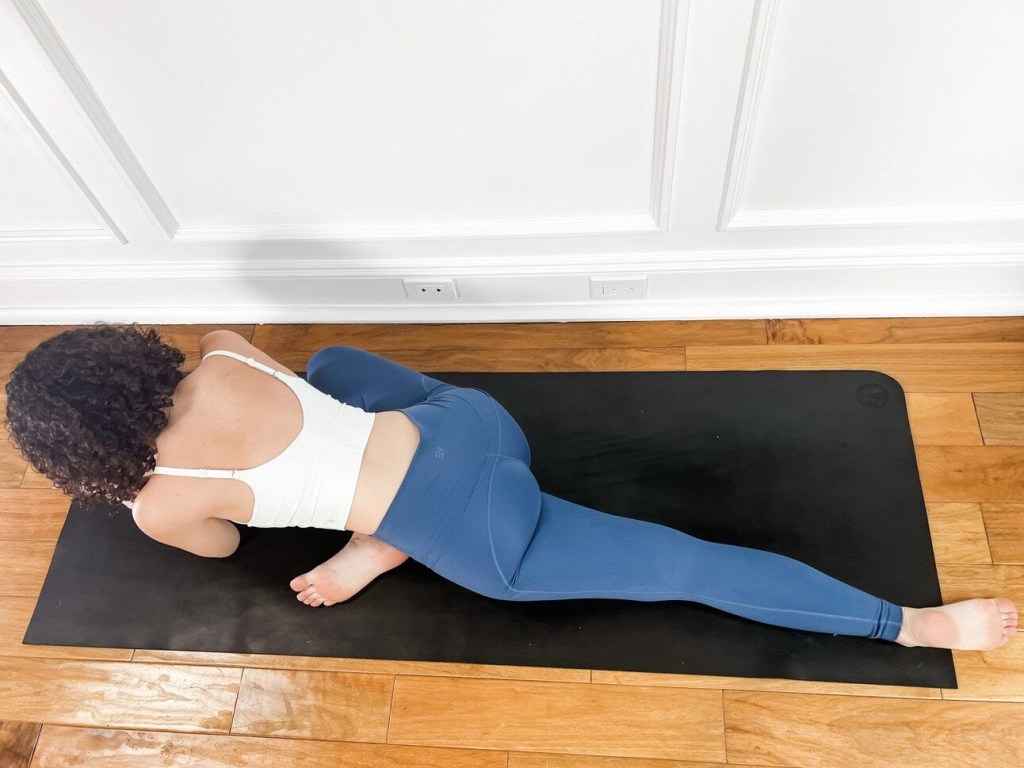
Downward-Facing Pigeon Pose (Adho mukha kapotasana)

What is Downward-Facing Pigeon Pose?
Downward-facing pigeon pose, or adho mukha kapotasana in Sanskrit, is a restful version of the upright pigeon pose. The torso folds over the front leg with the arms stretched forward in this deep hip opener.
Instructions
Begin in pigeon pose with the right leg extended back.Exhale and lower the torso down, walking the hands forward.Rest the forehead on the floor and press the palms together in prayer.Breathe while holding the pose.Inhale and release. Change sides.

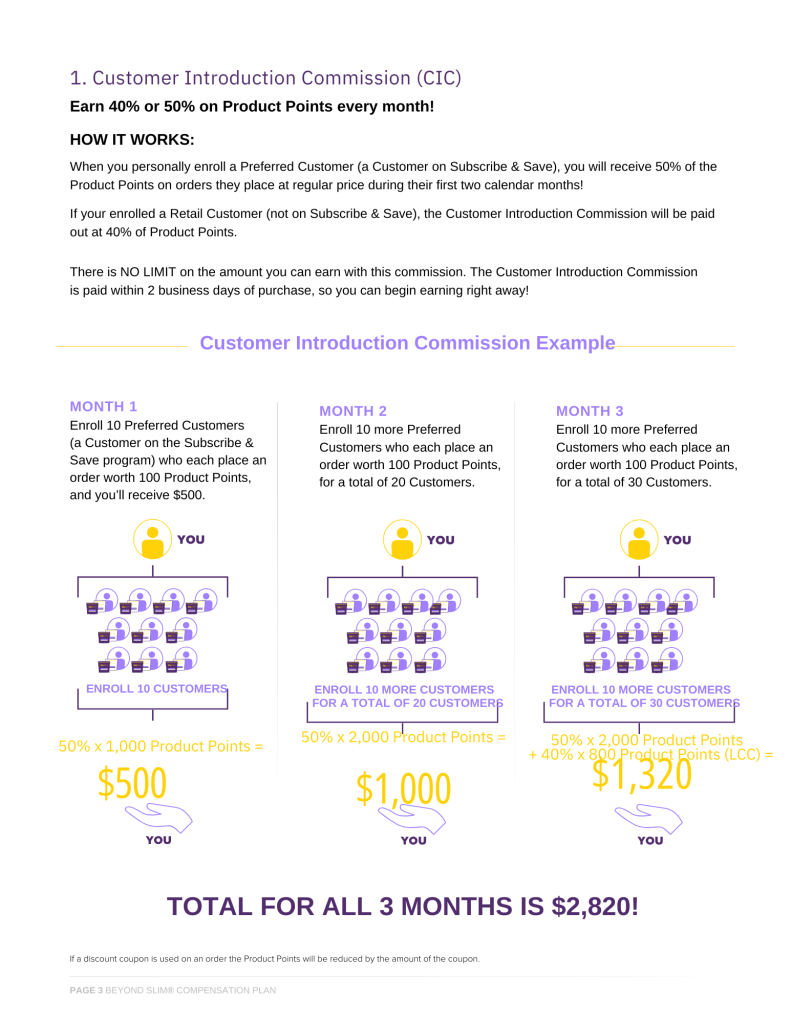
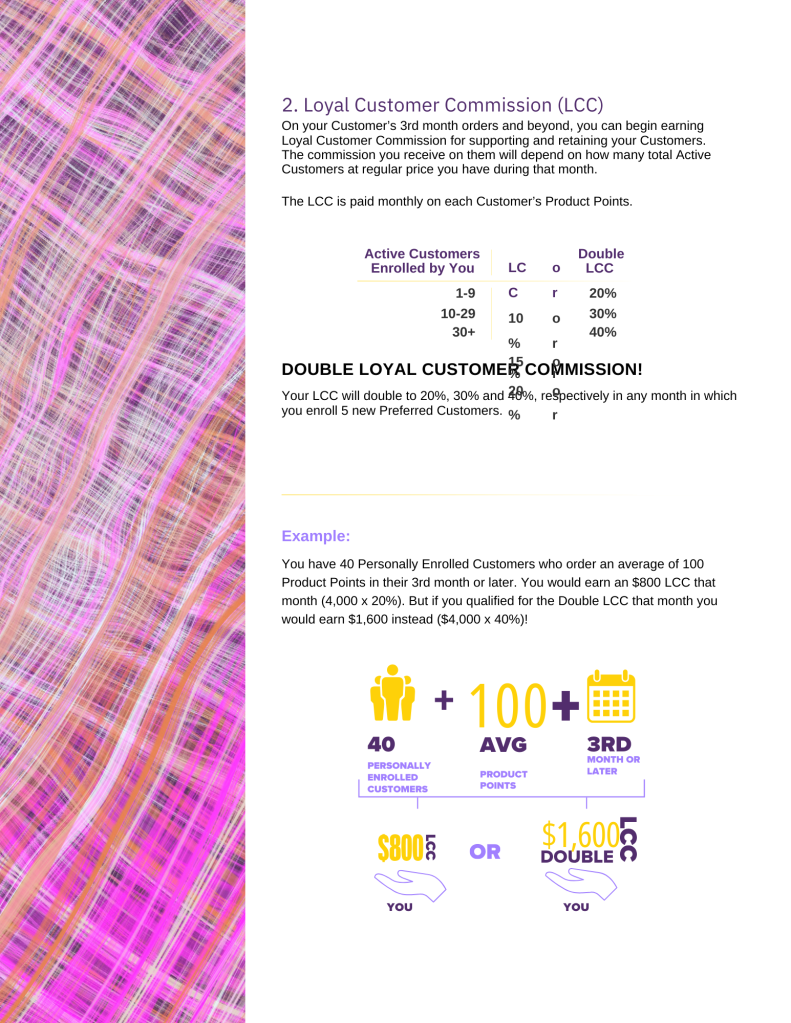
Join Our FREE Affiliate Program and Earn $50-$70 per Sale!

We are live! 🚀 I’m thrilled to announce the launch of our new **affiliate program** in a brand-new division! 🎉

Here are the details:

✨ **Completely FREE to join**!

✨**Earn $50-$70 per sale** – Paid within 48 hours!

✨ **No purchases required** – Start earning immediately!

✨ **Affiliate-based** – No team building necessary!

We’re pioneering “Social Referral Marketing,” combining omni marketing, direct sales, and social affiliate selling like never before. It’s perfect for anyone looking to expand their business!

When I joined, I was exhausted from traditional MLMs, but in 2022, our team grew by 900%, reaching $16 million in 2023! 🚀

Our product is endorsed by doctors, and we’re excited to have Dr. Kelly Austin supporting our amazing clients!

Featured in the press 13 times in 2023, and with Phase 2 set to revolutionize things, now is the perfect time to join!

I’m dropping the link to sign up below because we all know the platform loves to block my replies 🤣💀

Don’t miss out on the chance to be a pioneer with me!

Journaling prompts to work through anxiety

“Hope is like the sun, which, as we journey toward it, casts the shadow of our burden behind us.”
“Believe in yourself, take on your challenges, dig deep within yourself to conquer fears. Never let anyone bring you down. You got this.”
Do you ever find yourself wanting to write down your thoughts, but you’re not sure where to begin? When you have a million and one thoughts floating around in your brain, it can be intimidating to even think about starting to write them down. Journaling is a valuable practice, both for self-care and for supporting your overall mental health, but it’s tricky to journal when you can’t figure out what to write. It’s also hard to sift through the thoughts in your head and focus on one thought when you deal with anxiety. When you’re feeling anxious, it might feel like your mind is racing and that you can’t distinguish between different thoughts. Each time you think you get a glimpse of a feeling, it’s gone, replaced by the next one.
Here are some journal prompts to help you work through anxiety:
Describe a time when you felt fulfilled. Where were you? What were you doing? What about that moment felt so satisfying?
If I could make one promise to myself it would be…
Write a letter to your body.
What does my anxiety sound, look and feel like to me?
What is my first thought in the mornings? Keep a list.
I’m so sick of…
Today, I’m grateful for…
What is one thing I wish I could change?
What’s a quality I love about myself?
Make a list of 10 affirmations to repeat when your anxiety spikes.
What’s a way my anxiety has held me back recently?
Write a letter to your past self.
Brainstorm a list of activities to do to soothe anxiety. Reach for the list when you’re anxious!
What would it feel like to forgive myself?
What does my perfect day look like?
What is something I need to let go of?
What are some self-care ideas for when I’m feeling overwhelmed?
Keep a list of anxiety triggers.
When was the last time I said no to something? When was the last time I wish I said no to something?
List three things that scare you and why.
What is something I look forward to every single day?
What signs do I notice before an anxiety attack?
Think of a time when you failed at something. What did that experience teach you?
Keep a list of nice things people say about you.
Keep an ongoing list of worries that you want to let go of.

Conscious Living: Elevating Your Daily Awareness

“You can’t make a cloudy day a sunny day, but you can embrace it and decide it’s going to be a good day after all.”
1- The Pillar of living consciously
We need to become more conscious of the things we do every day. Are we just going through the motions, sleepwalking, or disregarding the areas in which we know we are not performing to the best of our abilities? There’s a certain anxiety we experience when we know we hate our job but we don’t have the courage to change courses. Or when we like our job and we know that we are not giving our best.
Our level of consciousness is also expressed in the way we connect with others; are we truly present, or are we only physically present but spiritually absent the entire time? The degree of enjoyment we experience will be impacted by a daily commitment to raising our consciousness through more conscientious behaviors.
2- The pillar of self-acceptance
The easiest to achieve but possibly the most difficult to master is self-acceptance, which means embracing every facet of your character, circumstances, flaws, and even physical characteristics you detest in yourself (yes, even your large nose and uneven eyebrows). Being uncomfortable in one’s own skin can show up as anxiety, a sense of unworthiness, and a lack of assertiveness, especially in those who have been bullied in the past.
Self-acceptance doesn’t mean settling and not getting better, it means accepting that you are not giving your best, that you may lack management skills, that you are not organized, feeling those emotions of inadequacy. If you don’t recognize that you are overweight, how can you begin to lose weight and make dietary changes?
3- The pillar of self-responsibility
We must feel in charge of our life if we are to feel capable of surviving and deserving of happiness. The second we start blaming someone, the world, the government, our parents, god… we lose power, will and self-esteem. You are responsible for your happiness, the achievement of your desires, your choices and consequences, the quality of your work and relationships…
It can be challenging at times to think independently because of the training we experienced as children, but we must mature. Like the psychologist David Deida says, live your life like if your parents are dead if they aren’t already. Choose your values, goals and work and be responsible for what you can control to achieve them.