| “God gave you a gift of 86,400 seconds today. Have you used one to say ‘thank you?’“ |


| “God gave you a gift of 86,400 seconds today. Have you used one to say ‘thank you?’“ |

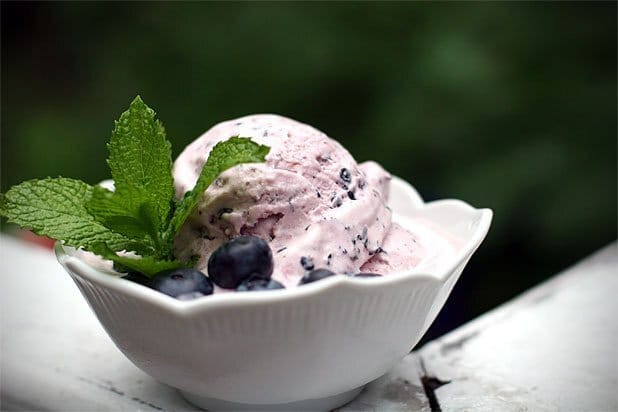
| A hot temper and red, itchy eyes in summer time is a sign that your liver is being taxed by the endless heat. Every single ingredient nourishes and cools your liver. You’ll notice this cooling effect in your eyes as they become more relaxed, and by your calm mind as you “chill-out.” Coconut milk, rich with cool oils, nourishes the liver by allowing blood and liver qi to move smoothly throughout the body. Mint is a classic herb for releasing extra heat and cooling the liver. Adding mint as a garnish completes this delicious formula for your liver. Blueberries also reduce levels of inflammation in blood. |
| Ingredients |
| 2 c BLUEBERRY |
| 2 c COCONUT MILK |
| 1 tbsp MINT |
| 1/4 c RAW SUGAR |
| Instructions |
| Step 1: Begin the night before by placing a frozen bowl and a mixing bowl in the freezer that will serve as your ice cream container. Place all ingredients in the fridge as well so ingredients will be as cold as possible. |
| Step 2: Puree blueberry, coconut milk and raw sugar or honey with a blender, forming an emulsion. |
| Step 3: Finally pour the blended blueberry ice cream into the now frosted bowl and leave in the freezer until the ingredients begin to solidify into something that looks like ice cream. For best results, stir the ice cream every 15 minutes to break up ice crystals (effectively creaming the ice). Once solidified, scoop and serve yourself with a homemade delight. |
| 4. Garnish with fresh mint. Feel free to top with a few fresh blueberries! |


| “On the other side of a storm is the strength that comes from having navigated through it. Raise your sail and begin.” |
| There are a number of skills that can help us self-regulate our emotions. |
| 1. Create space |
| Emotions happen fast. We don’t think “now I will be angry” — we are just suddenly clench-jawed and furious. So the number one skill in regulating difficult emotions, the gift we can give ourselves, is to pause. Take a breath. Slow down the moment between trigger and response. |
| 2. Noticing what you feel |
| An equally important skill involves the ability to become aware of what you’re feeling. Tune in to yourself and consider: in what parts of your body are you noticing sensations? Is your stomach upset? Is your heart racing? Do you feel tension in your neck or head? |
| Your physical symptoms can be clues to what you are experiencing emotionally. Inquiring into what is happening to you physically can also distract your focus and allow some of the intensity of the emotion to go away. |
| 3. Naming what you feel |
| After noticing what you feel, the ability to name it can help you get control of what is happening. Ask yourself: what would you call the emotions you’re feeling? Is it anger, sadness, disappointment, or resentment? What else is it? One strong emotion that often hides beneath others is fear. |
| Many of us feel more than one emotion at a time, so don’t hesitate to identify multiple emotions you might be feeling. Then dig a little deeper. If you feel fear, what are you afraid of? If you feel anger, what are you angry about or toward? Being able to name your emotions will help you get one step closer to sharing your emotions with others. |
| 4. Accepting the emotion |
| Emotions are a normal and natural part of how we respond to situations. Rather than beating yourself up for feeling angry or scared, recognize that your emotional reactions are valid. Try to practice self-compassion and give yourself grace. Recognize that experiencing emotions is a normal human reaction. |
| 5. Practicing mindfulness |
| Mindfulness helps us “live in the moment” by paying attention to what is inside us. Use your senses to notice what is happening around you in nonjudgmental ways. These skills can help you stay calm and avoid engaging in negative thought patterns when you are in the midst of emotional pain. |

| What is Lotus Pose? |
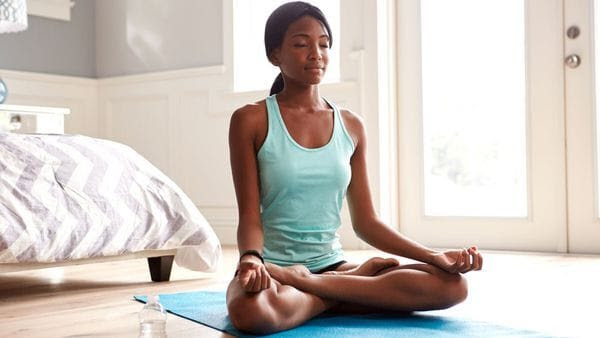
| Lotus pose, or padmasana, is yoga’s most famous meditation pose. It is an advanced seated yoga posture wherein the knees are bent and the feet rest on top of opposite thighs. |
| Instructions |
| Sit with your legs outstretched.Bend one leg and place the foot on top of the opposite thigh.Carefully bend the other leg and place the foot on top of the opposite thigh.Rest your hands on your thighs. Inhale and lengthen your spine.Close your eyes and breathe while holding the pose. |



 Anna Godfrey
You must be logged in to post a comment.