Discover Your Numerology Life Path Number and Uncover Life’s Secrets

โ€œOnly when you can be extremely pliable and soft can you be extremely hard and strong.โ€

Have you ever caught yourself glancing at the clock precisely at 11:11? Or perhaps you’ve noticed a pattern of meeting people born on the same day of the month? Maybe your lucky number keeps showing up in the most unexpected places. These occurrences could be more than mere coincidences. They might be clues from the ancient and powerful system of numerology, which has been guiding people for thousands of years. Through numerology, you can calculate Life Path Numbers, Destiny Numbers, and other fundamental numerological concepts to gain insights into your life.

How to Calculate Your Numerology Life Path Number

The best way to begin your journey with numerology is by analyzing your date of birth. Numerology is focused on finding the root number, which involves reducing numbers until you reach a single-digit number (with the exceptions of 11 and 22, known as Master Numbers). This single digit is your Life Path Number.

Your Life Path Number is akin to your Sun Sign in astrology. It reveals key aspects of your identity, including your strengths, weaknesses, talents, and ambitions. It also provides insight into the tone of your experiences and the reasons behind events in your past, present, and future. In essence, it offers a structured system that illuminates your lived experiences.

Step-by-Step Guide to Calculating Your Life Path Number

Letโ€™s walk through the calculation using an example. Suppose your birthday is August 18, 1989. Hereโ€™s how you can calculate your Life Path Number:

  1. Reduce the month to a single digit:
    • August is the 8th month, so it remains 8.
  2. Reduce the day to a single digit:
    • 18 is reduced by adding 1 + 8 = 9.
  3. Reduce the year to a single digit:
    • 1989 is reduced by adding 1 + 9 + 8 + 9, which equals 27.
    • Then, reduce 27 by adding 2 + 7 = 9.
  4. Add the reduced numbers together:
    • Add the month, day, and year: 8 + 9 + 9 = 26.
    • Finally, reduce 26 by adding 2 + 6 = 8.

So, if you were born on August 18, 1989, your Life Path Number is 8.

Why It Matters

Understanding your Life Path Number can provide profound insights into your character and the trajectory of your life. It helps you understand the core of who you are and why you experience certain events. This awareness can empower you to make informed decisions and navigate life’s challenges with greater clarity and confidence.

If you’re still unsure about the calculation, don’t worry! It may seem daunting at first, but seeing it written out step-by-step makes it much simpler. For additional help, check out this VIDEO on how to calculate your Life Path Number.

Embrace the journey of discovering your numerological blueprint, and unlock the secrets that the universe has in store for you!

Setting Personal Boundaries: How to Establish and Communicate Your Needs

โ€œWhen you realize nothing is lacking, the whole world belongs to you.โ€

Everybody has personal boundaries with which they would feel more at ease navigating life and relationships. The problem is that not everyone has the same boundaries, and most people aren’t able to infer what the boundaries of another individual might be.

This is especially true for people who may have lower emotional intelligence (EQ). Furthermore, they frequently stand to gain the most from having their own boundaries made explicit to them.

Simply said, setting boundaries is telling someone else what you need in order to engage in good conversation. It’s not always simple. It’s possible that not everyone appreciates or comprehends your boundaries or the rationale behind them. However, you can’t expect them to be obeyed if you don’t establish those boundaries.

It often takes courage and strength to set boundaries, but when you do so, you can feel comfortable knowing your lines have been set. Your needs have been communicated. You would also have the right to put more distance between you and that individual if they continued to cross your boundaries.

Nobody is allowed to cross your limits. (However, it’s equally important to remember that you do not have the right to walk on someone else’s property aswell.)

Tips for setting personal boundaries

Although they are crucial, boundaries are not always simple to draw. Many times, people are unsure about how to start or express their requirements to others.

If youโ€™re looking for a way to set your own personal boundaries, it may be a good idea first to consider what type of boundary youโ€™re setting.

Emotional boundaries
We don’t always think to set emotional boundaries until after one has already been crossed, and they frequently have to do with how other people treat and speak to us. This is OK, though.

Imagine that you had a disagreement with someone and they called you a derogatory name. The greatest method to establish an emotional boundary with that individual when you have both calmed down is to:

-Approach them.
-Ask to speak about the argument.
-Own any part you may have played in the argument going awry.
-Tell them that you are not OK with name-calling and that you will need them to engage without stooping to that level in the future.

Boost Your Self-Esteem: 12 Tips for a More Radiant Life

The more we attune to peace, the more radiant our lives become.

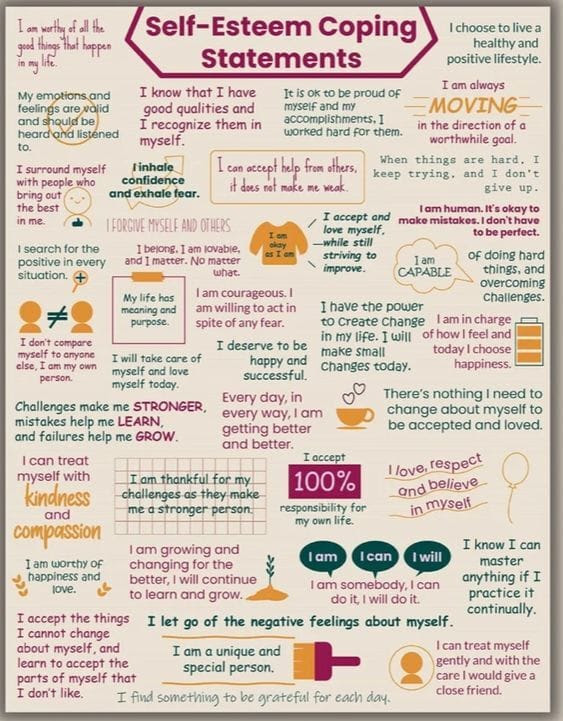
If you suffer from low self-esteem, it may be comforting to know that you are not alone. Fortunately, those struggling with negative self-images can develop a more positive outlook through counseling, challenging negative self-talk, and acknowledging their strengths.
Here are some useful suggestions for raising your self-esteem:
Consider how past experiences impact lack of self-worth:ย Recognizing possible reasons for poor self-esteem is the first step toward long-term improvement. You have the power to overcome these obstacles and boost your confidence.

Think about your strengths, skills, and abilities:ย To break out of a negative perspective, consider your positive values and strengths. Making a list of these qualities can assist in creating and maintaining a positive self-image.

Seek advice and reassurance from loved ones:ย When you find yourself at a loss for positive traits, ask your loved ones what they find admirable in you. The qualities you have undervalued or disregarded can surprise you.

Pretend you are talking to a family member or friend:ย Would you talk to people the same manner that you talk to yourself? You may realize how poorly you treat yourself when you think about saying negative things to people you love.

Challenge negative self-talk:ย Just like brushing your teeth, your self-talk has become second nature to you. Turning the tide on low self-esteem can be achieved in part by challenging negative self-talk.

Stop comparing yourself to others:ย If you automatically make comparisons, it can be difficult to overcome them. But you can refocus on the special and lovely qualities of your personality by slowing down the process and being present.

Stay physically active:ย Exercise is an external action to reinforce the idea you deserve to be healthy.

Work on being assertive:ย Speaking out for oneself will foster compassion, resilience, and self-assurance. As you express your demands, allow yourself to acknowledge and embrace the fact that everyone deserves respect and assistance.

Identify your triggers:ย You may set limits and treat yourself with grace in trying times by being aware of what brings on your low self-esteem.

Surround yourself with positive people:ย Negativity and viewing the worst in people and circumstances are the lifeblood of low self-esteem. Having a positive support system around you can help you see things differently in life.

Accept compliments:ย Hearing a new narrative from others can help you challenge negative internal beliefs.

Be patient with yourself:ย It takes time to develop and maintain self-worth. Knowing that you are moving in the correct way, concentrate on what you can do to get better right now.

Balancing Mental Health with Apan Vayu Mudra, Gyan Mudra, and Prana Mudra

โ€œThe truth is that stress doesnโ€™t come from your boss, your kids, your spouse, traffic jams, health challenges, or other circumstances. It comes from your thoughts about your circumstances.โ€

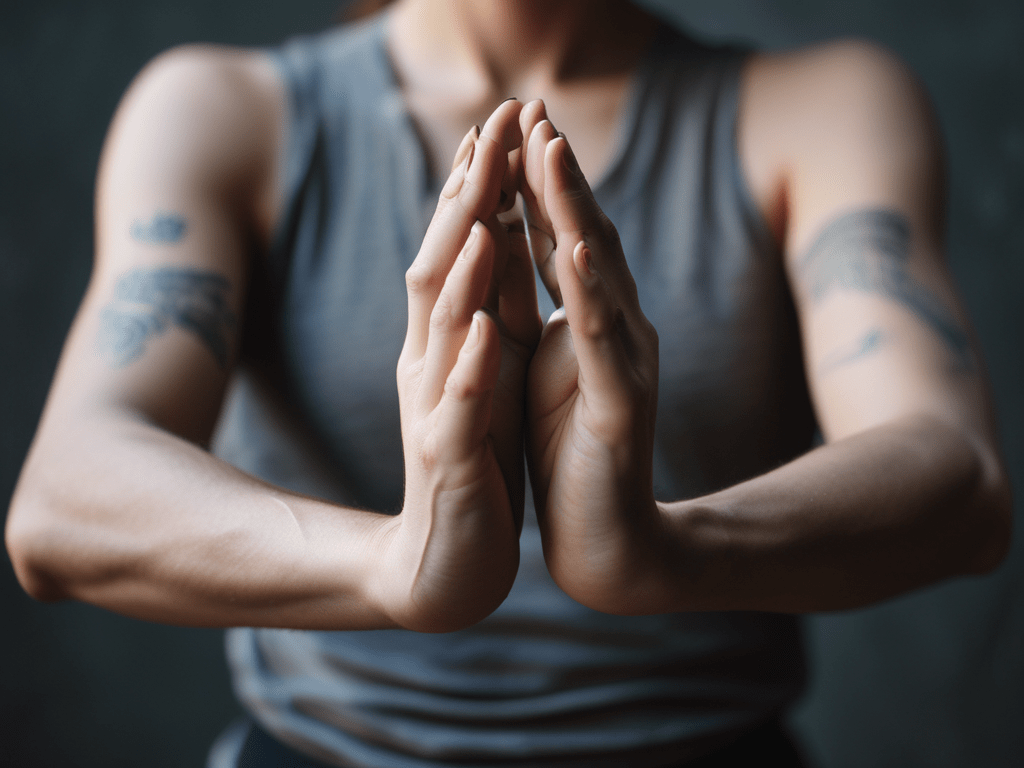
Mudras are ancient gestures used in yoga that are said to alter the flow of energy in your body.
You can release trapped energy and let it to flow more freely via your nadis (energy channels) by consciously channeling your energy.
You are also creating contact with the various nerve endings throughout your hands whenever you use a mudra, which undoubtedly impacts the way energy moves throughout your body on a measurable scientific level.
When you use mudras to balance your body, relax your mind, and facilitate energy flow, you can have a great impact on your general mental health whether you use them during the day or when practicing meditation.
Three particular mudras have been chosen that can be used to promote mental clarity and health: Apan Vayu Mudra, Gyan Mudra, Prana Mudra
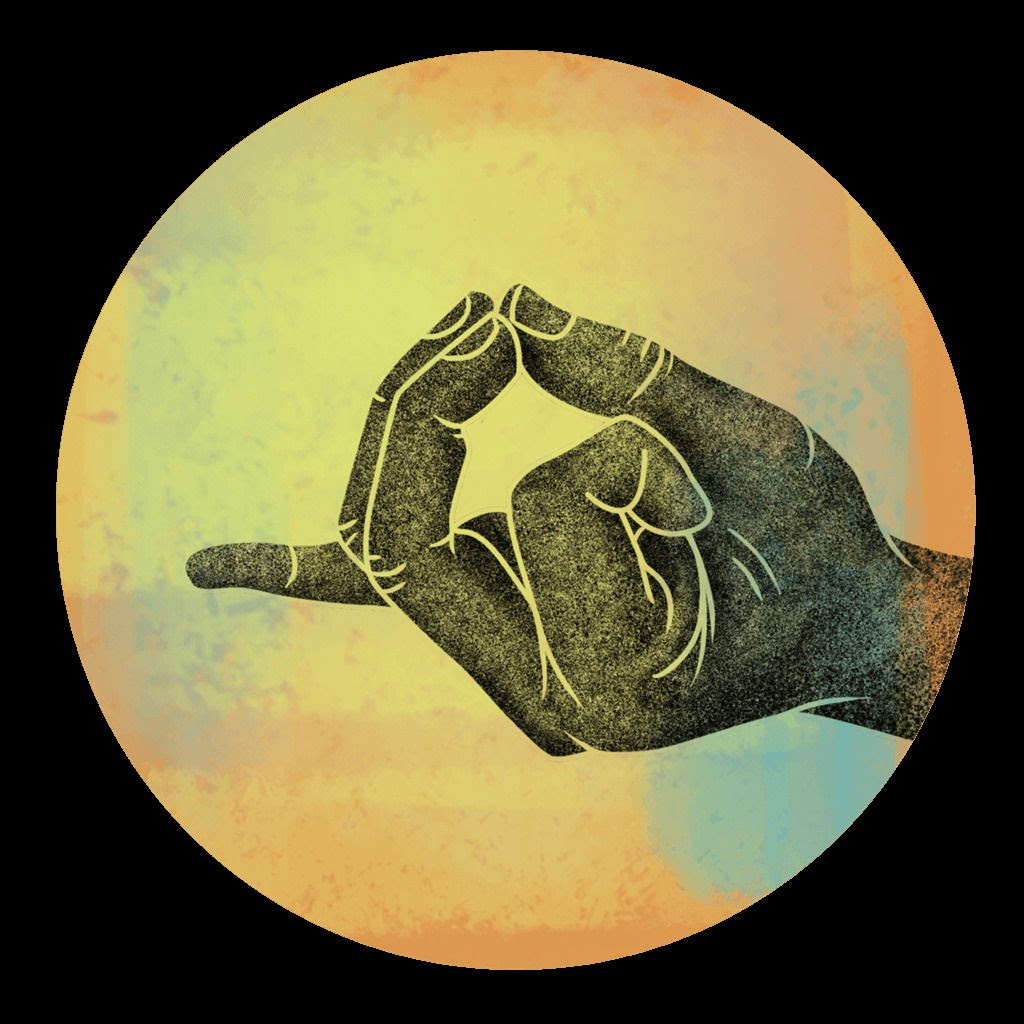
1. Apan Vayu Mudra
To form this mudra, press the pad of your index finger to the base of your thumb. The pads of your middle and ring finger come to join the tip of your thumb while your pinky extends outward.
This mudra is believed to regulate your hormones and has been said to work very well for people who experience anxiety, impulsivity, and hyper-vigilance.
It is known to be a very powerful mudra in India and has been historically believed to prevent and treat cardiac problems like heart attacks. It is advised to practice this mudra for 30 to 45 minutes per day when used for this purpose.
The risk for cardiac disease is higher for people who experience severe anxiety as it tends to increase the heart rate and create stress on the heart, which makes this mudra a great one to practice to support overall health and foster the mind-body connection.
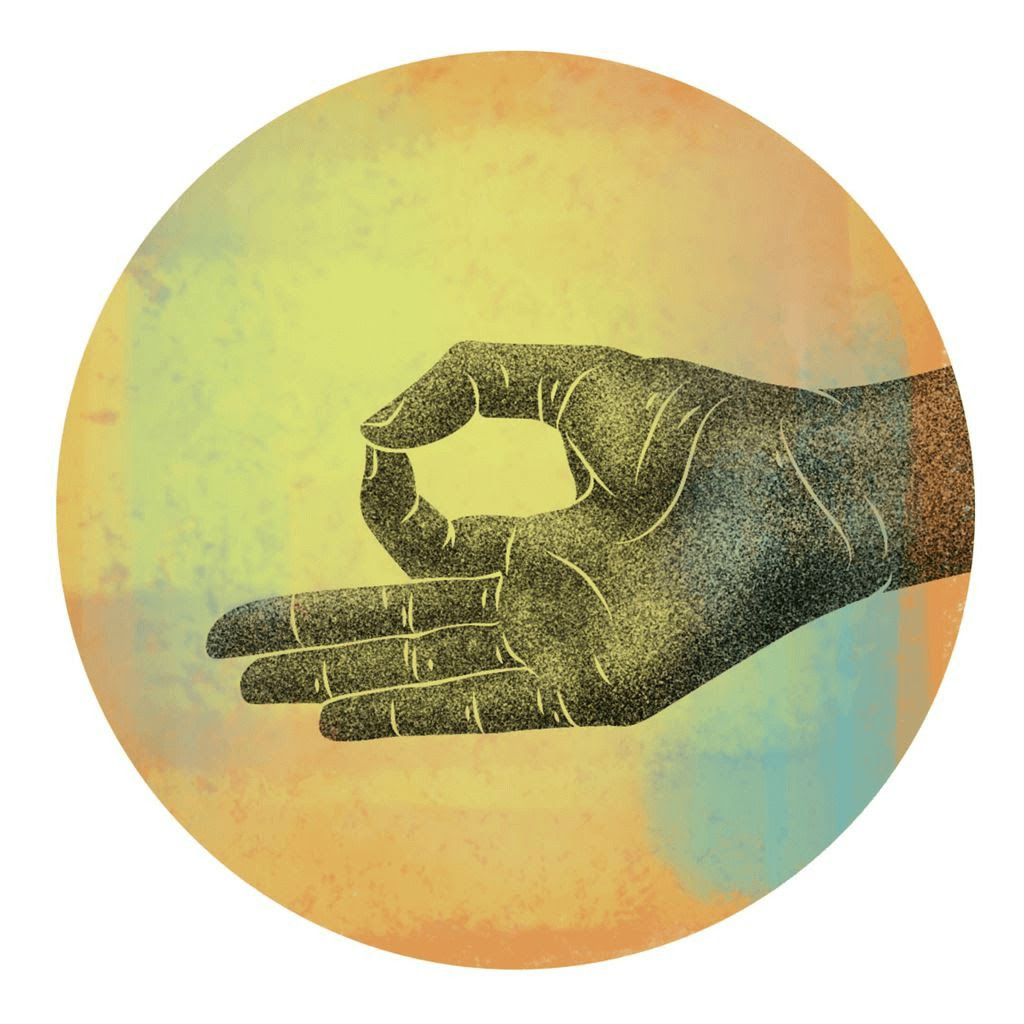
2. Gyan Mudra
This mudra is formed by touching the pads of the thumb and index finger, and relaxing the remaining fingers outward. It is the mudra you see most often when meditation is depicted or imitated in the media.
It has been said to facilitate mental alertness, memory, enhance mood, and connect you to Source and your Higher Self.
It is also said to eradicate the dull stagnant energy from the body. Some people report a strong sensation of energy buzzing and moving on the pads of the thumb and index finger, and this could be related to an energetic elimination of stuck energy.
3. Prana Mudra
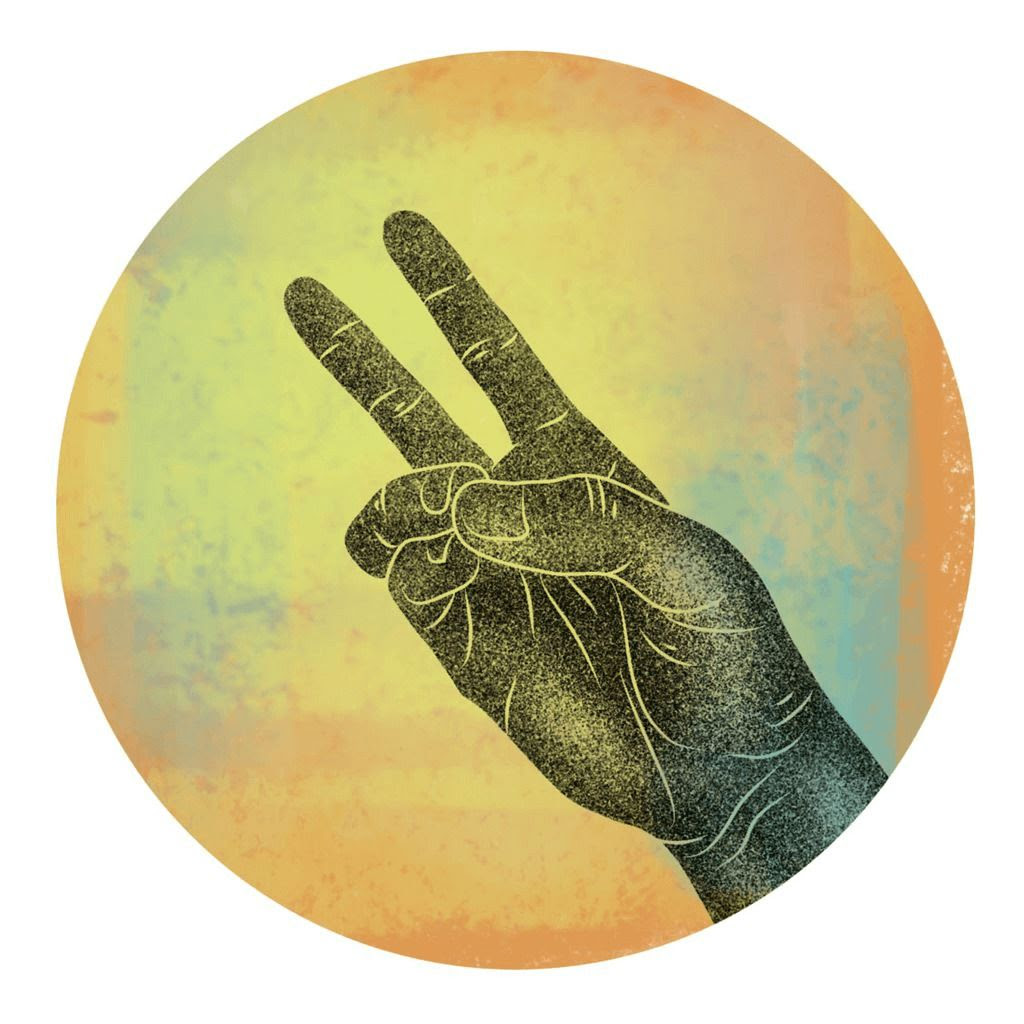
To form this mudra, extend your index and middle finger outward, while touching the pads of your ring and pinky fingers to your thumb pad.
It is believed to improve your eye health and assist with combating fatigue by stimulating the dormant energy or prana within your body. It is called the prana mudra for this reason.
This mudra could be helpful for someone, who is experiencing hormonal imbalances that cause lethargy or symptoms of depression, to create more energy and liveliness.

Transform Your Life with Shadow Work: A Step-by-Step Guide

โ€œIf you realize you have enough, you are truly rich.โ€

Shadow work is a potent form of self-reflection that entails discovering and integrating your unconscious, hidden sides. Having a shadow work ritual in place provides a structured and intentional space for delving into the depths of your psyche. Additionally, it makes the act of connecting with your shadow self more intentional and concentrated by establishing an empowering pattern.
The following steps can help you begin your shadow work routine:
Step 1: Set the Scene
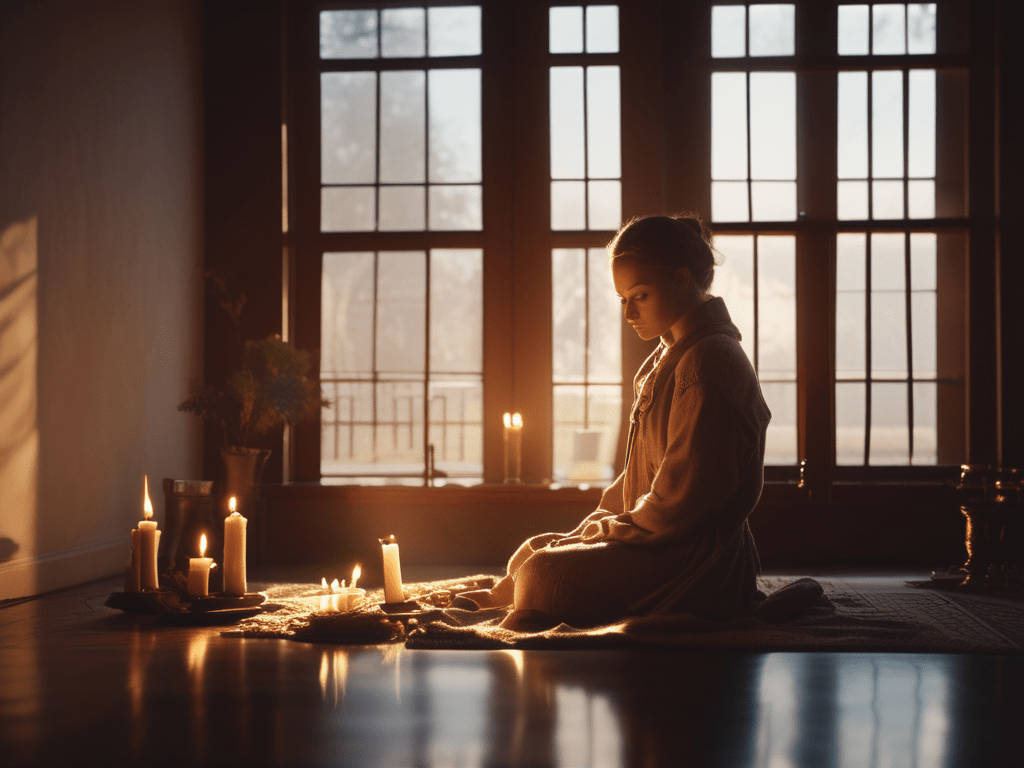
Working in the shadows means having a private discussion with your shadow self. Establish a peaceful, cozy area where you won’t be bothered. Use soft lighting, intention candles, sage or incense, and perhaps some calming music to set the atmosphere. I would recommend tuning in to theta waves or solfeggio frequencies. Try both and decide which one is more comfortable for you!
Recording your shadow work sessions is helpful to your progression, so you may also want to have a journal and pen nearby.
Step 2: Ground Yourself
Make yourself comfortable. Make sure youโ€™re not wearing any restrictive or tight clothing. Take away anything that weighs you down.
Now inhale deeply from your abdomen. Breathe out through your lips.
What do you feel underneath you?
What can you hear?
Do you notice any scents in the air?
Is the air warm or cool?
Do you need to lower your shoulders, unclench your jaw, soften your brows, release your stomach?
Thereโ€™s a little glowing red ball of light right underneath you. Say hello to your root chakra, little one ๐Ÿ™‚.
Can you make it grow, until youโ€™re able to safely hold it in your palms? Picture your hands feeling warm from a grandmother’s touch. This little red ball of light likes to stay at the base of your spine, where it feels close to earth. It invites you to sit with it, to keep it warm and steady, where it can collaborate with the roots of the planet.
Let it remind you that you and earth are connected.
Step 3: Identify Triggers
During the process of centering oneself, did any feelings surface? If not, consider recent events or circumstances that made you feel strongly affected. Perhaps a persistently bothering event or an unresolved issue. Was there anything that happened in the last day or week that left you feeling afraid, confused, upset, or angry?
In your journal, note this trigger and your feelings about it. If you’re not sure how to describe your sentiments, you can utilize terms from the wheel of emotions.
Step 4: Journaling
Begin to explore the emotions associated with your triggers. Recall that triggers are merely an impediment to the healing process. Write about anything and everything that seems relevant, even the silly details.
Allow yourself to feel compassion for your own humanness. Be open to delving deeper into your inner life. It’s okay to be open and vulnerable. You become one with your shadow in this way.