
| Working backward from 5, use your senses to list things you notice around you. For example, you might start by listing: |
| 5 things you hear 4 things you see 3 things you can touch from where you’re sitting 2 things you can smell 1 thing you can taste |
| Make an effort to notice the little things you might not always pay attention to, such as the color of the flecks in the carpet or the hum of your computer. |
Author: Anna Godfrey

Dealing with traumatic stress

| Dealing with traumatic stress |
| Regaining your mental equilibrium and starting over can take time, just as it frequently does after a disaster or traumatic incident when clearing debris and repairing damage. However, there are particular actions you can do to support your loved ones and yourself in overcoming the psychological fallout from trauma and finding a means to move on with your life. Keep in mind that there are no right or incorrect feelings. Individuals respond to trauma in different ways, so don’t dictate to yourself or anybody else what you ought to be feeling, thinking, or doing. Don’t ignore your feelings—it will only slow recovery. Even while it might feel better in the heat of the moment to suppress your feelings, they are still there whether you want to acknowledge them or not. Allowing yourself to feel what you feel, even overwhelming feelings, will pass. Avoid obsessively reliving the traumatic event. Repetitious thinking or viewing horrific images over and over can overwhelm your nervous system, making it harder to think clearly. Engage in mind-numbing tasks (such cooking, reading, watching movies, or playing with your children) to avoid focusing all of your energy and attention on the terrible experience. Reestablish routine. There is comfort in the familiar. After a disaster, getting back—as much as possible—to your normal routine, will help you minimize traumatic stress, anxiety, and hopelessness. You may plan your day so that you have regular periods for eating, sleeping, spending time with family, and relaxing—even if your work or school schedule is interrupted. Put major life decisions on hold. Making big life decisions about home, work, or family while traumatized will only increase the stress in your life. Try to hold off until things have calmed down, you’ve restored emotional equilibrium, and your cognitive abilities are improved. |
Share this:

Journaling for Healing: Gentle Prompts to Guide You
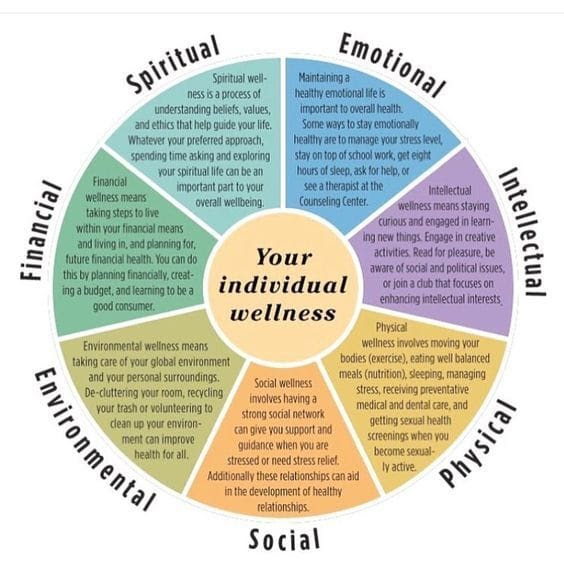
Sometimes, the path to healing doesn’t require complex introspection. Open-ended questions and statements can be powerful tools for processing difficult emotions and fostering self-discovery. Below are some prompts to support your journey.
Daily Reflections
- How am I feeling about myself today, in this very moment?
- Dear body, I want to say… (Write a letter of encouragement.)
- Dear mind, I want to express… (Write a letter of encouragement.)
- Which feelings and emotions surface most frequently for me?
- What wisdom do I need to remember on my toughest days?
Gratitude and Growth
- What are some significant milestones I’ve reached on my healing journey?
- How has my pain affected different areas of my life?
- If I could go back in time, what would I tell my past self to prepare for this experience?
- What words of encouragement would I offer myself, as if speaking to a dear friend?
- Where do I envision myself on my healing journey one month from now? One year from now?
- What aspects of myself bring me joy? List them.
- What unexpected blessings or small acts of kindness have supported my healing? Express gratitude for each one.
- How can I actively contribute to my healing and self-discovery this week?
- What positive changes can I make in my life today?
- Recall an experience that, though difficult, ultimately strengthened me.
Looking Ahead
- When do I feel most alive and free?
- Are there any feelings I’m avoiding because they feel too intense or overwhelming?
- What are the most valuable lessons I’ve learned from my healing journey thus far?
- What new aspects of myself have I discovered through this process?
- If I could relive any moment in my life, which would it be?
- What concerns or fears do I have about the future?
- What excites me about the future?
- What will signify the “completion” of my healing journey?
- What profound truths has my pain revealed to me?
- Craft 10 affirmations that resonate with my current stage of healing.
Remember: Journaling is a personal journey. Allow these prompts to guide you, but also feel free to explore whatever thoughts and emotions arise. Be gentle with yourself, and trust in the power of self-reflection to illuminate your path to healing.
Share this:

Shielding Your Light: Navigating Energy Vampires with Grace
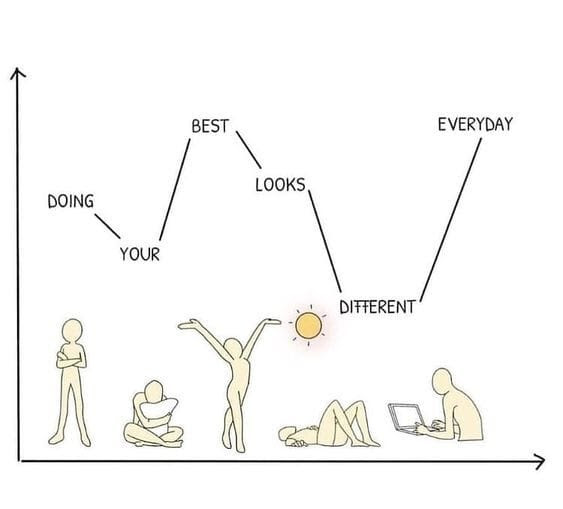
Ever encountered someone whose presence seems to dim your inner light? Feeling drained and heavy after spending time with them, as if their negativity is contagious? These individuals, often referred to as “energy vampires,” can challenge our ability to maintain a high vibrational state. But fear not, for you can safeguard your energy and navigate these interactions with grace and resilience.
1. Cultivate Inner Awareness
The foundation of energetic self-preservation lies in self-awareness. Recognizing your emotions, thoughts, and reactions empowers you to identify when external influences are impacting your vibrational state. Dedicate moments throughout your day to check in with yourself. Ask, “How am I feeling right now?” This simple practice acts as an anchor, allowing you to navigate interactions without being swept away by negativity.
2. Establish Boundaries and Practice Detachment
When encountering energy vampires, establish clear boundaries. It’s perfectly acceptable to limit your time with individuals who drain you or introduce negativity into your life. Detachment doesn’t equate to indifference; it signifies protecting your energy from being unduly influenced. Learn to say “no” with confidence, prioritizing your well-being. This empowers you to maintain a high vibration without succumbing to guilt or overwhelm.
3. Nurture Your Well-being
Self-care is fundamental to cultivating and sustaining a high vibrational state. Engage in activities that nourish your soul, such as spending time in nature, meditating, practicing yoga, pursuing creative outlets, or enjoying hobbies that bring you joy. Nourish your body with wholesome food, prioritize restful sleep, and create a positive environment that uplifts your spirit. Remember, self-care isn’t selfish; it’s essential for maintaining your energetic reserves.
4. Embrace Personal Responsibility
While acknowledging the influence of others is important, also recognize your own agency in managing your energy. Take ownership of your thoughts, feelings, and choices. When negativity arises, observe it without judgment and actively shift your focus towards higher vibrations. Practice gratitude, engage in positive affirmations, or immerse yourself in an uplifting activity. By taking responsibility, you empower yourself to maintain alignment with the energy you wish to embody.
5. Cultivate a Positive Environment
Your surroundings play a significant role in your vibrational state. Surround yourself with uplifting influences – spend time with positive people, pursue activities that inspire you, and create a space that reflects your desired energy. Curate a playlist of uplifting music, surround yourself with vibrant artwork, and choose books that spark joy and motivation. Remember, even the colors and décor in your environment can influence your vibration. By intentionally cultivating positivity, you create a shield of high vibrations, empowering you to navigate challenging encounters without compromising your inner peace.
Share this:

Dancer’s Pose (Natarajasana)
| What is Dancer’s Pose? |
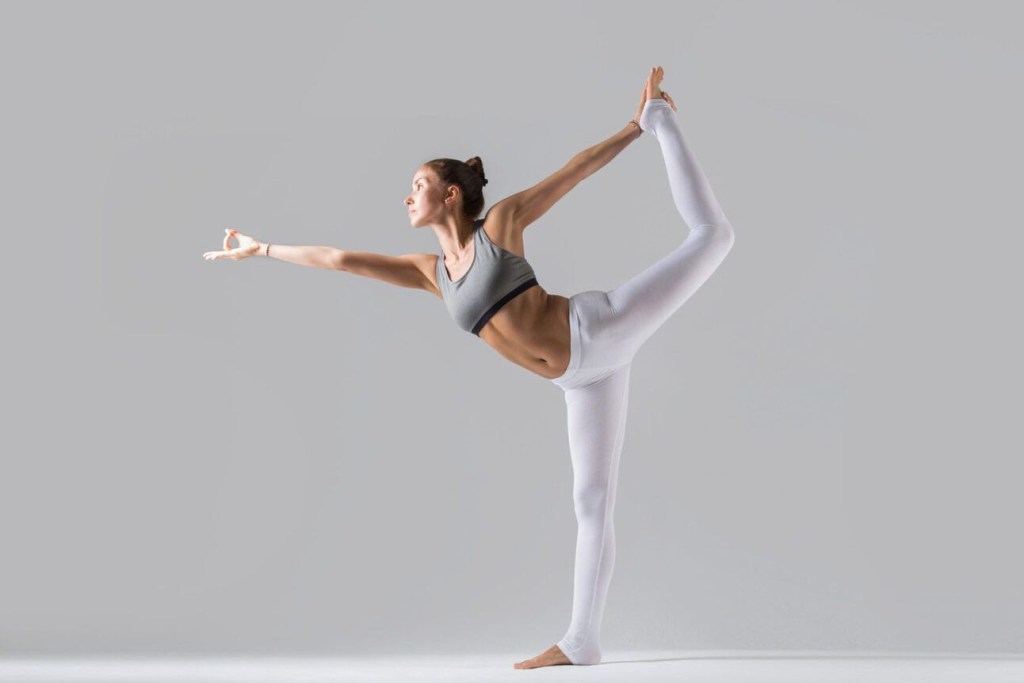
| Dancer’s pose, or natarajasana in Sanskrit, is a standing balancing posture that builds both strength and flexibility. It’s most commonly practiced in vinyasa classes. Standing on one foot, the yogi clasps the other foot behind them in a bow shape. |
| Instructions |
| From standing, exhale and lift the right foot near the buttocks. Clasp the ankle with the right hand.Inhale and reach the left arm forward.Exhale and stretch the right leg up and back, lifting the toes as high as is comfortable.Breathe while balancing in the pose. |

 Anna Godfrey
You must be logged in to post a comment.