A Zen master named Gettan lived in the latter part of the Tokugawa era. He used to say: “There are three kinds of disciples: those who impart Zen to others, those who maintain the temples and shrines, and then there are the rice bags and the clothes-hangers.” Gasan expressed the same idea. When he was studying under Tekisui, his teacher was very severe. Sometimes he even beat him. Other pupils would not stand this kind of teaching and quit. Gasan remained, saying: “A poor disciple utilises a teacher’s influence. A fair disciple admires a teacher’s kindness. A good disciple grows strong under a teacher’s discipline.”
“Do not suppress your emotions but channel them; they are powerful forces that, when harnessed, can fuel transformation, deepen understanding, and inspire creativity. Emotions are not meant to be silenced; they are meant to guide you toward your truest self.”
Emotions are powerful forces that shape our experiences, relationships, and overall well-being. While they can be incredible motivators, unmanaged emotions can also lead to conflict, stress, and even harm. Learning to channel your emotions effectively is a crucial skill for navigating life with greater ease and resilience.
Here’s how to harness the power of your emotions and turn them into constructive forces:
1. Identify and Acknowledge Your Feelings
The first step to channeling emotions is understanding what you’re feeling. Emotions can be complex and multi-layered. Anger might mask sadness, or anxiety might hide deeper insecurities. Take a moment to recognize your emotions without judgment.
Try these techniques:
Name your emotions: Put a label on what you’re feeling – anger, joy, sadness, fear, etc. Studies show that simply naming an emotion can help reduce its intensity.
Journal: Write down your feelings to gain clarity and identify patterns in your emotional responses.
Talk it out: Sharing your emotions with a trusted friend, family member, or therapist can provide valuable perspective and support.
2. Practice Mindfulness and Breathing Techniques
Mindfulness helps you stay grounded in the present moment, preventing you from being swept away by the intensity of your emotions. When you feel overwhelmed, try deep breathing exercises like the 4-7-8 method:
Inhale for 4 seconds.
Hold for 7 seconds.
Exhale for 8 seconds.
This technique calms your nervous system, creating space between the feeling and your reaction. This pause allows you to choose a more constructive response.
3. Find Healthy Outlets for Expression
Emotions need an outlet. Expressing your feelings through creative or physical activities can be incredibly cathartic.
Consider these options:
Creative expression: Engage in art, writing, music, or dance to process emotions in a non-verbal way.
Physical activity: Release pent-up energy through exercise, such as running, swimming, or yoga.
These outlets provide a healthy way to release emotions, preventing them from building up and causing harm.
4. Challenge Your Thoughts and Perspectives
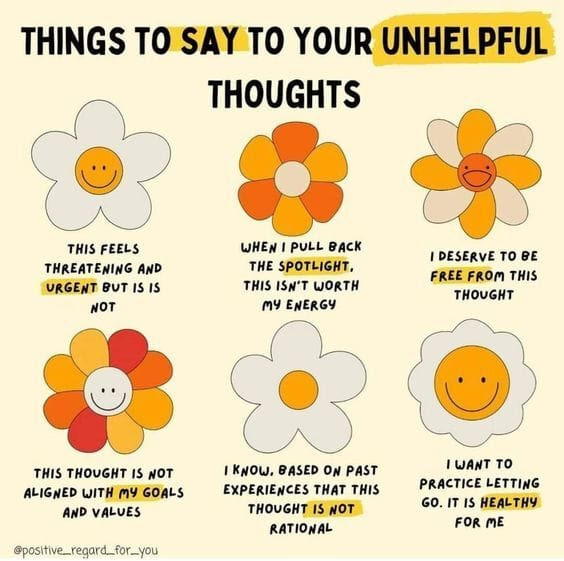
Sometimes, our emotions stem from inaccurate thoughts or assumptions. Challenge those thoughts by asking yourself:
Is this thought really true?
What evidence supports this thought?
Is there another way to look at this situation?
Cognitive reframing, a technique used in therapy, involves examining situations from different angles to help you see things more objectively and defuse intense emotions.
5. Set Boundaries and Communicate Openly
In relationships, channeling emotions effectively requires clear and honest communication. Set healthy boundaries and express your feelings constructively using “I” statements (e.g., “I feel hurt when…”) instead of accusatory “you” statements. Open communication fosters understanding and empathy, leading to healthier interactions.
6. Reflect and Learn
After experiencing and channeling an emotion, take time to reflect on the experience. What worked well? What could you have done differently? This reflection helps you learn from your emotional responses and become more resilient in the face of future challenges.
By mastering these techniques, you can transform your relationship with your emotions. Instead of being controlled by them, you can learn to channel them effectively, leading to greater self-awareness, stronger relationships, and a more fulfilling life.
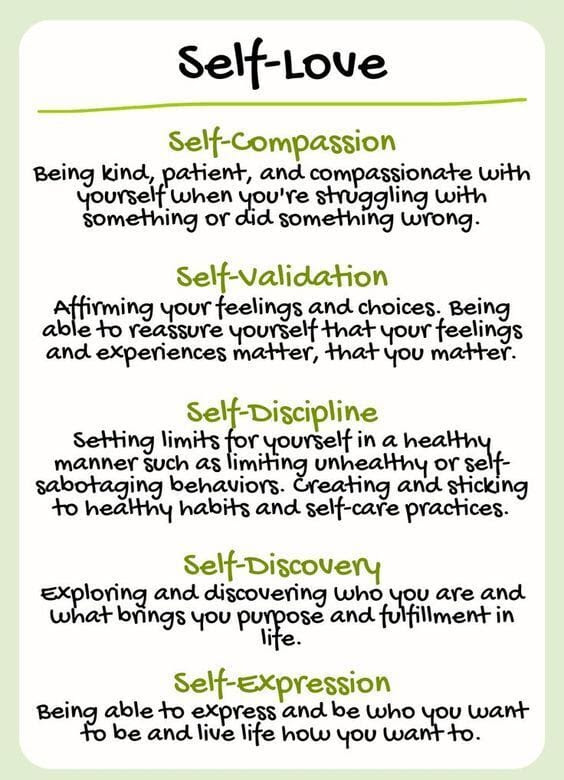
“It’s all about falling in love with yourself and sharing that love with someone who appreciates you, rather than looking for love to compensate for a self love deficit.”
Eartha Kitt
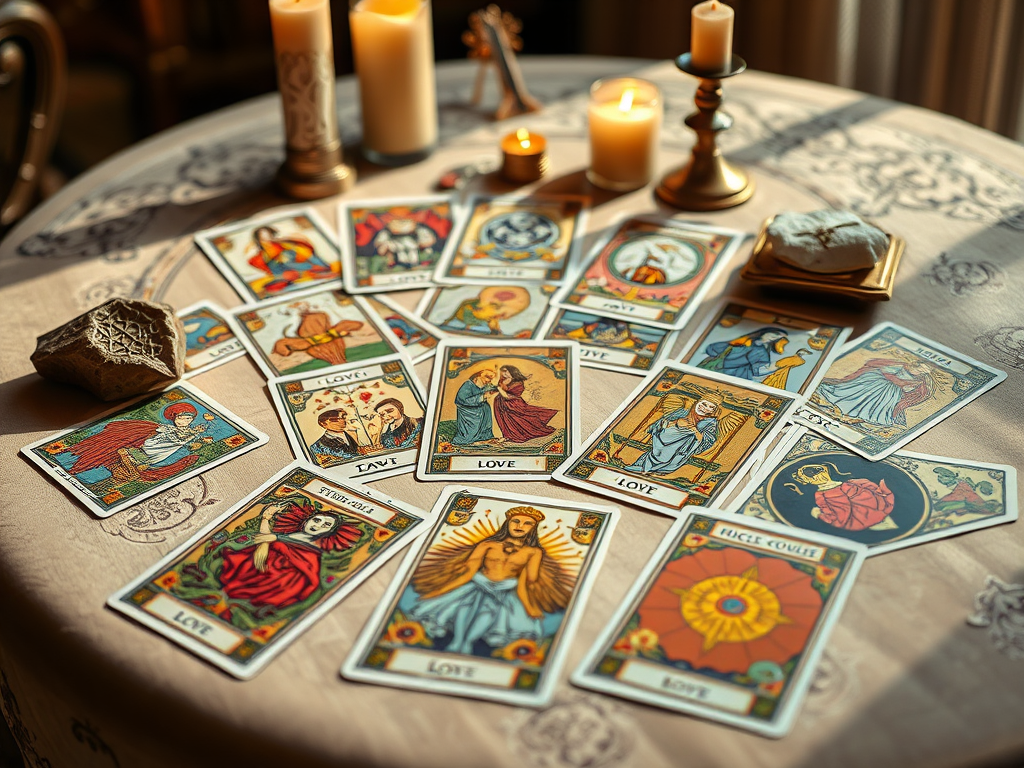
Tarot cards are more than just mystical symbols; they’re powerful tools for self-reflection and guidance. Whether you’re grappling with love, career choices, or personal growth, a well-chosen tarot spread can offer profound insights and illuminate your path forward.
Here are 10 tarot spreads designed to answer life’s toughest questions, each offering a unique perspective on common dilemmas:
1. The Clarity Spread:
Purpose: Ideal for when you’re feeling lost or confused.
Structure: A 3-card spread representing Mind, Body, and Spirit, helping you align your thoughts, actions, and inner desires to gain clarity on your next steps.
2. The Decision-Making Spread:
Purpose: Useful when facing a difficult choice with multiple options.
Structure: A 6-card spread (3 cards per choice) revealing potential outcomes, advantages, and challenges of each path, allowing you to make a more informed decision.
3. The Relationship Insight Spread:
Purpose: Provides clarity on romantic, platonic, or family relationships.
Structure: A 5-card spread exploring the current energy, your feelings, the other person’s perspective, the relationship’s potential, and advice for moving forward.
4. The Career Direction Spread:
Purpose: Helps navigate career uncertainty or a potential career change.
Structure: A 4-card spread representing your current position, potential opportunities, challenges, and advice for aligning your career with your passions and purpose.
5. The Self-Discovery Spread:
Purpose: For those seeking deeper self-understanding and personal growth.
Structure: A 7-card spread exploring your core identity, strengths, weaknesses, opportunities for growth, external influences, personal challenges, and how to embrace your authentic path.
6. The Healing Heart Spread:
Purpose: Facilitates healing after heartbreak or emotional pain.
Structure: A 5-card spread guiding you through the stages of healing: understanding the hurt, finding closure, learning lessons, letting go, and opening your heart again.
7. The Spiritual Guidance Spread:
Purpose: Connects you with your spiritual path and offers divine guidance.
Structure: A 3-card spread representing your current spiritual state, areas for growth, and guidance for deepening your spiritual connection.
8. The Blockbuster Spread:
Purpose: Helps identify and overcome personal or situational blocks.
Structure: A 4-card spread focusing on the nature of the blockage, its source, advice for overcoming it, and the potential that awaits you on the other side.
9. The Yes-or-No Spread:
Purpose: Provides quick answers to direct questions, especially in times of uncertainty.
Structure: A simple 3-card spread where each card represents a “yes,” “no,” or “maybe.” The majority determines the answer.
10. The Next Step Spread:
Purpose: Offers guidance when you’re ready for change but unsure where to begin.
Structure: A 5-card spread revealing what you need to know, let go of, work towards, avoid, and embrace as you take your next step.
Tarot: A Mirror to Your Soul
Remember, tarot isn’t about predicting the future; it’s about gaining deeper self-awareness and accessing your inner wisdom. These spreads can serve as a compass, guiding you through life’s challenges and helping you make choices that align with your highest good.
So, whether you’re at a crossroads, seeking healing, or simply looking for clarity, the tarot has a spread to illuminate your path. Choose the spread that resonates with your current needs and allow the cards to guide you on your journey of self-discovery.
Life has been a whirlwind lately. Between college applications, driver’s ed, and the ever-increasing cost of, well, everything, I needed a change. Something to reignite my passion and provide a little financial breathing room.
I’ve been on a personal journey of growth and reflection, and I realized it was time to align my work with my values. I wanted something innovative, something with the potential to make a real impact. And of course, something FUN!
After months of searching and praying, I stumbled upon an incredible opportunity. It’s brand new to the US market, and I’m so excited to be part of the pre-launch!
This is something truly special, and I can’t wait to share more details soon. If you’re curious and want to learn more, especially if we’ve crossed paths before, don’t hesitate to reach out. Let’s connect and explore the possibilities together!
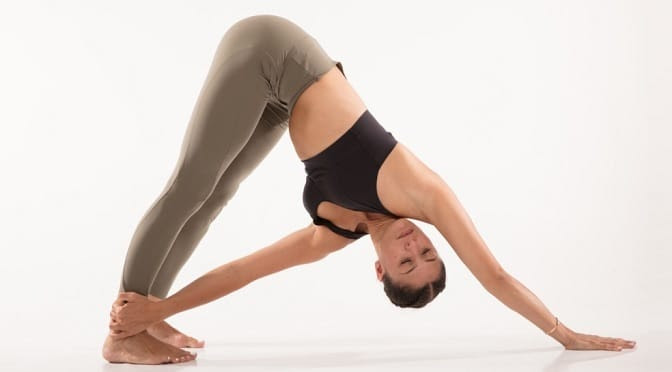
Revolved downward-facing dog pose, or parivrtta adho mukha svanasana in Sanskrit, is a challenging variation of its starting posture, downward-facing dog pose. In this variation, the yogi brings one hand to the opposite ankle and twists in the same direction. Along with a deep stretch, the pose brings energy to the mind.
Instructions
Begin in downward-facing dog pose.Inhale, then exhale and bring your left hand to your right ankle.Hold for several breaths.Inhale and return to downward-facing dog pose.Exhale and bring your right hand to your left ankle.Hold for several breaths.









You must be logged in to post a comment.