Untangling Your Thoughts: A Guide to Overcoming Cognitive Distortions

Quote of the day…

“Cognitive distortions are like funhouse mirrors—distorting reality and magnifying our fears, but with awareness, we can see beyond the reflection and find clarity.”

Unknown

Do your thoughts sometimes spiral into negativity, leaving you feeling anxious, discouraged, or defeated? You might be experiencing cognitive distortions.

Cognitive distortions are irrational thought patterns that can cloud your perception of reality and negatively impact your mental well-being. They’re like mental traps that can lead to increased anxiety, depression, and low self-esteem.

The good news is that you can learn to recognize and overcome these distortions, paving the way for clearer thinking and improved emotional resilience.

1. Recognize the Distortion

The first step to overcoming cognitive distortions is learning to identify them. Here are some common culprits:

  • All-or-Nothing Thinking: Seeing situations in extremes, with no middle ground. For example, you might think, “If I don’t get an A on this test, I’m a complete failure.”
  • Overgeneralization: Making sweeping conclusions based on a single event. For instance, after one rejection, you might think, “I’ll never find love.”
  • Catastrophizing: Always expecting the worst possible outcome. You might think, “If I go to that party, I’ll embarrass myself and everyone will hate me.”
  • Mental Filtering: Focusing solely on the negative aspects of a situation while ignoring the positive. For example, you might focus on a single critical comment in a performance review while overlooking all the praise.

Journaling can be a helpful tool for identifying these patterns in your own thinking. Take some time each day to reflect on your thoughts and notice any recurring distortions.

2. Challenge Negative Thoughts

Once you’ve identified a cognitive distortion, it’s time to challenge its validity. Ask yourself:

  • What evidence supports this thought?
  • Am I focusing only on the worst-case scenario?
  • Is there a more balanced way to view this situation?

For example, if you catch yourself thinking, “I’m such a loser because I didn’t get that promotion,” challenge that thought by reminding yourself of your past successes and the fact that not getting one promotion doesn’t define your worth.

3. Reframe Your Thoughts

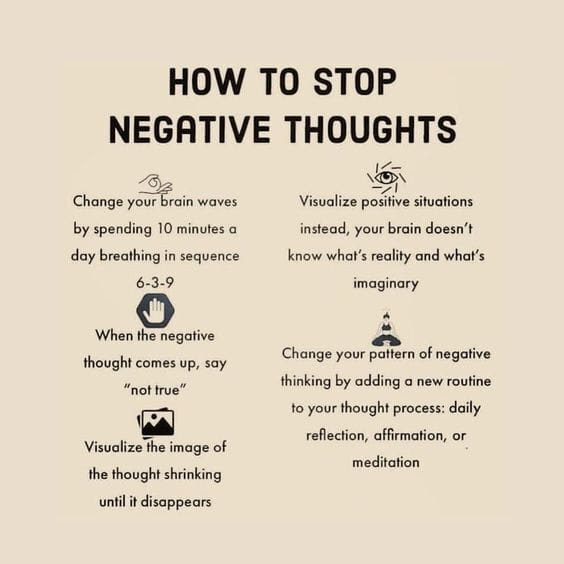
After challenging a distorted thought, reframe it in a more accurate and constructive way. Instead of saying, “I’m so stupid for making that mistake,” try saying, “Everyone makes mistakes. This is an opportunity for me to learn and grow.”

Reframing your thoughts helps shift your perspective from negativity to optimism, fostering self-compassion and resilience.

4. Practice Mindfulness

Mindfulness involves paying attention to the present moment without judgment. When you’re mindful, you create space between yourself and your thoughts, allowing you to observe them without getting swept away by them. This awareness helps reduce the power of cognitive distortions and promotes clearer thinking.

5. Cultivate a Growth Mindset

Embrace challenges and setbacks as opportunities for learning and growth. Instead of viewing mistakes as evidence of personal failure, see them as stepping stones on your path to improvement. This growth mindset can help you break free from negative thought patterns like all-or-nothing thinking.

Free Your Mind

By recognizing and challenging cognitive distortions, you can cultivate healthier thinking patterns, leading to greater emotional well-being and mental clarity. It’s a journey of self-awareness, compassion, and rewiring your thought patterns to create a more positive and empowering inner landscape.

Strengthen Your Immune System: Stay Safe and Healthy

Lots of sickness going around! Let’s work on our immunity community. Be safe. Be healthy. Be happy. Be positive. Be strong. Be a champion. #healthylifestyle

Classic 0-Carb Bread Recipe

✨NEW VERSION✨ of the classic 0-carb bread is one to take note of! If you haven’t tried my viral cottage cheese bread or perhaps the OG greek yogurt bread, you should definitely try those out….but this version I only used powdered eggs white and goat milk whey – which I think gives it a little sweeter taste and firmer texture. I personally love slicing and toasting each with a bit of butter melted or smashed avocado! – Use for sandwiches, croutons, toast, So good!

Ingredients:
1 cup of egg white powder (not egg white protein)
2 scoops of pure goat milk whey
1 1/2 cup water

Method:
Mix above ingredients in a stand mixer until stiff peaks form (about 10 minutes). Transfer to a lined brad pan and bake at 350 F for about 40 minutes.

Connect with Your Inner Wisdom: A Guide to the Higher Self

Quote of the day…

“Connecting with your Higher Self is like tapping into an endless source of wisdom and peace within you. It’s the voice that knows the way, even when the mind doubts.”

Unknown

Do you ever sense a deeper wisdom within, a guiding voice that knows the way? That’s your Higher Self calling. It’s the most authentic, wise, and compassionate part of you, a source of intuition and inner guidance.

Connecting with your Higher Self can bring clarity, purpose, and resilience to your life. It’s like tapping into an inner compass that always points you in the right direction.

Understanding Your Higher Self

Imagine a part of you that exists beyond the everyday chatter of your mind, free from limiting beliefs and fears. That’s your Higher Self. It represents your highest potential, your truest essence, and your connection to something greater than yourself.

This wise and compassionate aspect of your being holds the answers you seek. It’s a source of unconditional love, guidance, and support.

Why Connect with Your Higher Self?

In the midst of life’s busyness and challenges, it’s easy to lose sight of your inner compass. Connecting with your Higher Self can help you:

  • Gain Clarity: Gain clarity about your values, goals, and the choices that align with your authentic self.
  • Find Guidance: Receive intuitive guidance and make decisions that resonate with your deepest wisdom.
  • Develop Resilience: Cultivate inner strength and resilience, reducing feelings of self-doubt and fear.
  • Enhance Mindfulness: Live with greater presence, gratitude, and peace.

Steps to Connect with Your Higher Self

Ready to embark on this inner journey? Here are some practices to help you connect with your Higher Self:

  • Practice Mindfulness and Meditation: Quiet the mind’s chatter through meditation. Whether it’s focused breathing, body scans, or guided meditations, create space for stillness and allow your inner wisdom to emerge. For example, try a simple mindfulness meditation by focusing on your breath for 10 minutes each day.
  • Ask for Guidance: Engage in a dialogue with your Higher Self through journaling, prayer, or reflective questions. Pose questions like, “What is my soul’s purpose?” or “What is the next step I need to take on my journey?” and write down the answers that arise without judgment.
  • Listen to Your Intuition: Your intuition is the language of your Higher Self. Start by noticing those subtle gut feelings or hunches. Practice making small decisions based on your intuition, and gradually build trust in your inner guidance. For instance, if you feel drawn to a particular book or activity, follow that impulse and see where it leads you.
  • Engage in Self-Reflection: Regularly reflect on your goals, habits, and relationships. Ask yourself, “Are these aligned with my deepest values and aspirations?” When your life is in harmony with your Higher Self, you’ll experience greater fulfillment and ease.
  • Cultivate Compassion and Self-Love: Embrace your strengths and weaknesses with kindness and understanding. Self-acceptance creates fertile ground for personal growth and allows your Higher Self to shine through.

Nurturing the Connection

Connecting with your Higher Self is an ongoing practice, a lifelong journey of self-discovery. Make time for activities that nourish your soul and quiet your mind. The more you cultivate this connection, the more easily you’ll access its wisdom, guidance, and unconditional love.

Healing Childhood Trauma: A Gentle Journey Through Journaling

Quote of the day…

“Remember that the happiest people are not those getting more, but those giving more.”

H. Jackson Brown Jr.

Childhood trauma can leave deep wounds that impact our lives in profound ways. But healing is possible. It’s a journey of self-discovery, compassion, and reclaiming your inner strength.

Journaling can be a powerful tool on this path. It offers a safe space to explore your experiences, process emotions, and cultivate a deeper understanding of yourself.

Here are ten journal prompts designed to gently guide you on your healing journey:

Reconnecting with Your Experiences

  1. Reflect on a specific memory from childhood that still affects you today. Describe what happened, how it made you feel then, and how it continues to impact you now. Imagine your adult self offering comfort and support to your younger self in that moment. What words of wisdom or encouragement would you share?
  2. Describe a place or activity where you felt safe as a child. What elements created that sense of safety? How can you recreate those feelings of security and comfort in your life today?
  3. Who were your role models growing up? Were they positive or negative influences? Reflect on how their behaviors and beliefs shaped your own self-perception, expectations, and relationships with others.

Giving Voice to Your Inner Child

  1. Write about a time you felt unseen or unheard as a child. What emotions did you experience? If you could go back in time, what would you say to your younger self? How would you advocate for their needs and feelings?
  2. Think about a coping mechanism or defense mechanism you developed as a child to protect yourself. How did it serve you at the time? Is it still serving you today, or is it limiting you in some way? What healthier coping strategies could you explore?

Reframing Your Beliefs

  1. What messages did you receive about love, acceptance, and self-worth as a child? How have these early messages influenced your relationships and self-perception today? What limiting beliefs would you like to release and replace with more empowering ones?
  2. Identify three things you needed as a child but didn’t receive. Perhaps it was emotional support, validation, or a sense of belonging. How can you provide these things for yourself now? What small steps can you take to nurture and care for your inner child?

Offering Love and Compassion

  1. Imagine your younger self standing in front of you right now. What do they need to hear most? Write a heartfelt letter to them filled with love, compassion, and reassurance. Let them know that they are worthy, loved, and capable of healing.
  2. What beliefs do you hold about yourself today that might stem from unprocessed childhood pain? Challenge those beliefs with compassion and understanding. How might you begin to see yourself in a more positive and empowering light?

Embracing Playfulness and Joy

  1. Describe a small act of kindness, fun, or playfulness you can do for yourself this week. How can incorporating more joy and lightheartedness into your life help you heal and nurture your inner child?

A Journey of Healing and Self-Discovery

Healing from childhood trauma is a gradual process, not a race. Be patient and compassionate with yourself along the way. Journaling can be a powerful tool for self-reflection, allowing you to explore your experiences, process emotions, and reclaim your inner strength.

Remember, you are not alone on this journey. Seek support from trusted friends, family members, or a therapist if needed. With courage, self-compassion, and the willingness to explore your inner landscape, you can heal from the past and create a brighter future.