Supine spinal twist pose, or supta matsyendrasana in Sanskrit, is a beginner’s reclining twist. From a supine position, the yogi bends the right leg and lowers the knee to the left. The right arm stretches to the right while the left hand gently presses down on the knee. The posture is then repeated on the other side. It’s a very accessible and simple twist, which makes it great for beginners.
Instructions
Begin on your back.Exhale and bend your right leg, knee toward the sky.Inhale and reach your right arm to the right, palm on the ground.Place your left hand on your right knee.Exhale and lower your knee to the left. Turn your head to the right.Breathe while holding the pose.On the next inhale, come back to center and straighten your right leg.Exhale and bend your left leg, knee toward the sky.Inhale and reach your left arm to the left, palm on the ground.Place your right hand on your left knee.Exhale and lower your knee to the right. Turn your head to the left.Breathe while holding the pose.
Two Zen teachers, Daigu and Gudo, were invited to visit a lord. Upon arriving, Gudo said to the lord: “You are wise by nature and have an inborn ability to learn Zen.”
“Nonsense,” said Daigu. “Why do you flatter this blockhead? He may be a lord, but he doesn’t know anything of Zen.” So, instead of building a temple for Gudo, the lord built it for Daigu and studied Zen with him.
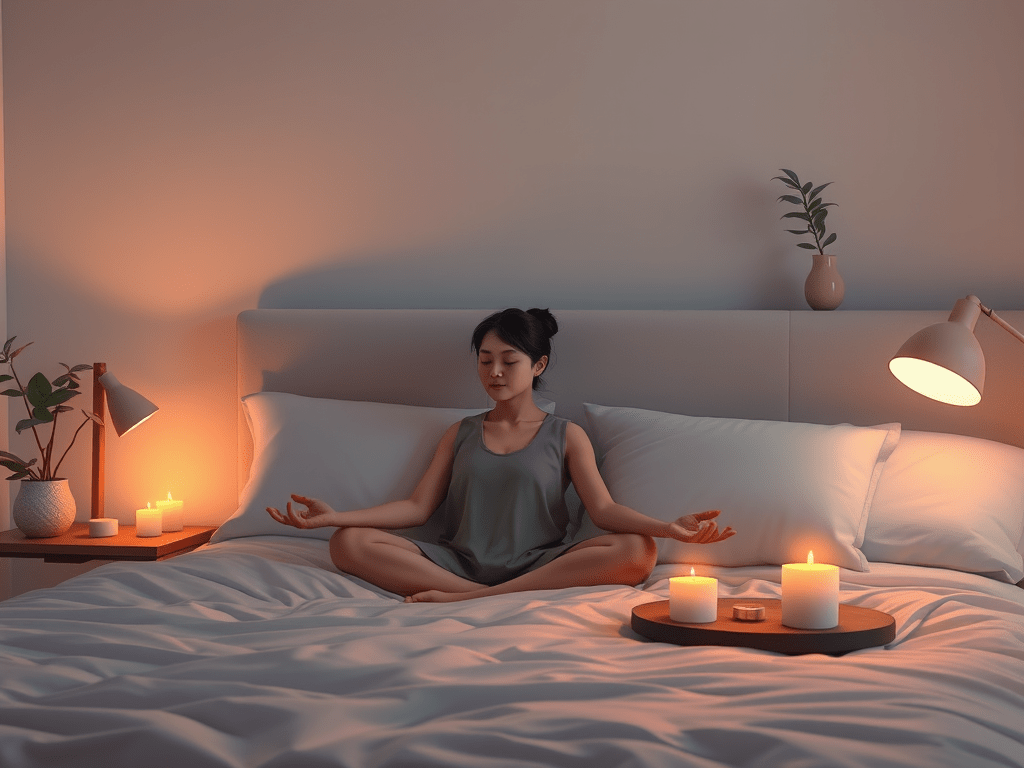
Tired of counting sheep? If you’re struggling to get a good night’s sleep, you’re not alone. In today’s fast-paced world, sleep problems are rampant. But what if the key to better sleep lies in calming your mind, not counting sheep?
Enter mindfulness. By shifting your focus to the present moment and relaxing your body, mindfulness practices can pave the way for restful sleep. Here are some science-backed techniques to help you drift off effortlessly:
1. Breathe Your Way to Sleep:
Start with a simple breathing exercise. Try the 4-7-8 technique:
Inhale deeply through your nose for a count of 4.
Hold your breath for a count of 7.
Exhale slowly through your mouth for a count of 8.
This 1 rhythmic breathing pattern slows your heart rate, calms your mind, and signals to your body that it’s time to rest.
Lie down in bed and bring your attention to your body, starting with your toes. Slowly scan your body, moving upwards towards your head. Notice any areas of tension and consciously relax each muscle group as you go. This practice not only releases physical tension but also helps shift your focus away from worries and racing thoughts.
3. Escape to Your Happy Place:
Close your eyes and visualize yourself in a peaceful setting. Imagine a tranquil beach, a serene forest, or any place that brings you a sense of calm. Engage all your senses – hear the sounds, feel the textures, and smell the aromas of your imaginary oasis. This immersive visualization calms an overactive mind and prepares it for sleep.
4. Count Your Blessings:
Before bed, take a few minutes to jot down three things you’re grateful for. Reflecting on positive experiences shifts your focus away from stress and cultivates a sense of contentment, making it easier to relax and fall asleep.
5. Stretch and Unwind:
Gentle stretches or yoga poses like Child’s Pose or Legs-Up-The-Wall can help release physical tension and signal to your body that it’s time to wind down. Pair this with deep breathing for an extra dose of calm.
Why Mindfulness Works Wonders for Sleep
Mindfulness practices have been shown to:
Reduce cortisol levels (the stress hormone)
Enhance melatonin production (the sleep hormone)
Create a mental “buffer” between your busy day and bedtime
This powerful combination makes it easier to fall asleep and stay asleep throughout the night.
Ready to reclaim your sleep? Incorporate these mindfulness practices into your nightly routine and say goodbye to sleepless nights. Sweet dreams!
“Helping others is the rent we pay for the privilege of living on this earth.”
Muhammad Ali
Want to create a space that radiates calm, focus, and good vibes? Look no further than the mesmerizing world of crystals! These natural wonders are more than just pretty decorations; they’re believed to hold unique vibrations that can transform the energy of your home.
Why Crystals?
Crystals have been used for centuries for their healing and energetic properties. Whether you’re seeking serenity, a boost of creativity, or even to attract love, there’s a crystal to match your intention.
Your Crystal Starter Kit:
Ready to get started? Here are a few must-haves for your crystal collection:
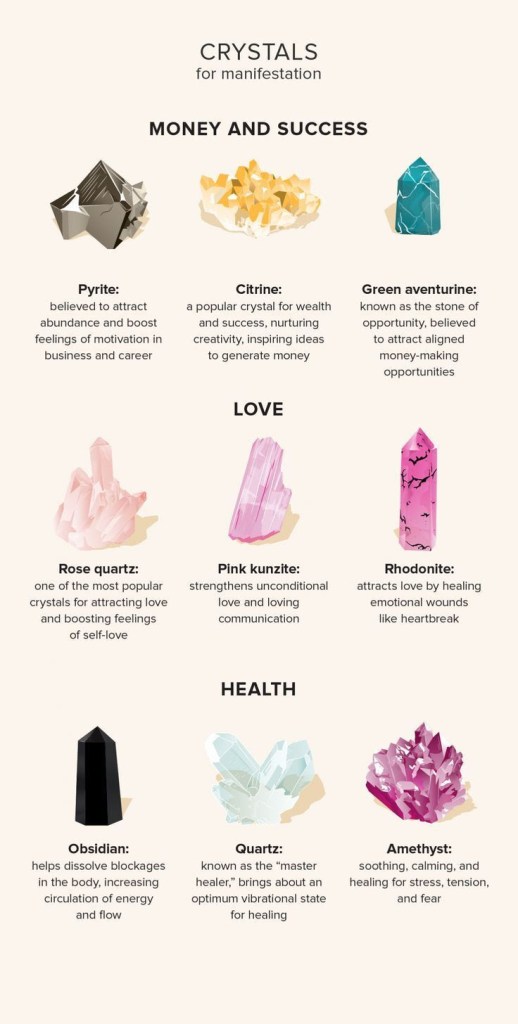
Amethyst: The ultimate stress reliever and sleep enhancer. Place it on your nightstand for sweet dreams.
Citrine: This sunny stone is known as the “merchant’s stone” and is believed to attract abundance and prosperity. Perfect for your workspace or home office.
Rose Quartz: The stone of love, compassion, and self-acceptance. Keep it in your living room or bedroom to foster loving energy.
Black Tourmaline: A powerful protector, this stone shields against negative energy. Place it near your entryway to create a energetic boundary.
Styling Your Crystals
Crystals are as visually stunning as they are energetically potent. Here are a few ways to incorporate them into your decor:
Statement pieces: Use larger crystals as focal points on bookshelves, coffee tables, or mantels.
Clustered arrangements: Group smaller crystals together to create a visually dynamic display.
Zen den: Combine crystals with candles, plants, and essential oils to create a tranquil sanctuary.
Crystal Care: Keeping the Vibes High
Just like us, crystals need a little TLC to stay energized. Here are a few ways to cleanse your crystals:
Moonlight bath: Leave your crystals under the full moon to recharge their energy.
Water cleanse: Rinse your crystals under running water (but be sure to check if your specific crystal is water-safe first!).
Smudging: Use sage or palo santo smoke to clear away stagnant energy.
Beyond the Sparkle
Transforming your space with crystals is about intention and connection. Whether you’re drawn to their energetic properties or simply love their beauty, these natural wonders can bring a sense of harmony and positive energy into your home.
So, why not add a touch of magic to your life? Pick up a few crystals, experiment with placement, and let the good vibes flow! Your space (and your soul) will thank you.
“Zen is not some kind of excitement, but concentration on our usual everyday routine.”
Shunryu Suzuki
I’ve always been a master multitasker, juggling a million thoughts at once. Work deadlines, to-do lists, random worries – they all swirled together in a constant mental symphony. Meditation? Sure, it sounded nice, but who has the time?
Last week, I decided to put that excuse to rest. I committed to a 7-day meditation challenge, curious to see if it could actually make a difference in my chaotic mind.
Spoiler alert: It did.
Day 1: The Fidgety First Timer
Armed with a meditation app and a healthy dose of skepticism, I embarked on my first 10-minute guided session. Sitting still felt utterly foreign. My mind resembled a hyperactive monkey, swinging from thought to thought. The soothing voice on the app assured me it was okay to let thoughts come and go, but I wasn’t convinced.
Afterwards, I felt slightly calmer, but I wondered if it was just placebo effect.
Day 3: A Glimmer of Clarity
By day three, something shifted. I woke up feeling more refreshed, even though my sleep hadn’t changed. During my meditation, I managed to focus on my breath for longer stretches before my mind inevitably wandered off. It wasn’t perfect, but I felt a sense of spaciousness in my mind, a welcome break from the usual mental clutter.
Day 5: Finding Calm in the Storm
This was the real test: a high-stakes work meeting, usually a recipe for anxiety. But this time, before the meeting started, I took a few deep breaths, remembering the techniques I’d been practicing. To my surprise, I remained calm and collected, even when things got heated. That was my “aha!” moment – I could actually bring this newfound sense of calm into my daily life.
Day 7: A Newfound Ritual
By the final day, meditation felt less like a chore and more like a ritual I looked forward to. My mind was quieter, and I even experienced moments of stillness that felt… peaceful. It was as if meditation had decluttered my brain, creating space for clarity and focus. I was no longer just reacting to stress; I was meeting it with intention.
The Verdict?
This 7-day challenge didn’t magically erase all my problems, but it equipped me with a powerful tool. Meditation taught me to pause, breathe, and reset – a skill I plan to cultivate. If you’ve ever felt overwhelmed or disconnected from yourself, I highly recommend giving meditation a try.
You don’t need to be a Zen master; you just need to start. Who knows? You might discover your own inner oasis of calm in just seven days.









 Anna Godfrey
You must be logged in to post a comment.