Unlock Your Life’s Secrets with This Numerology Cheat Sheet

Quote of the day…

“I have found that among its other benefits, giving liberates the soul of the giver.”

Maya Angelou
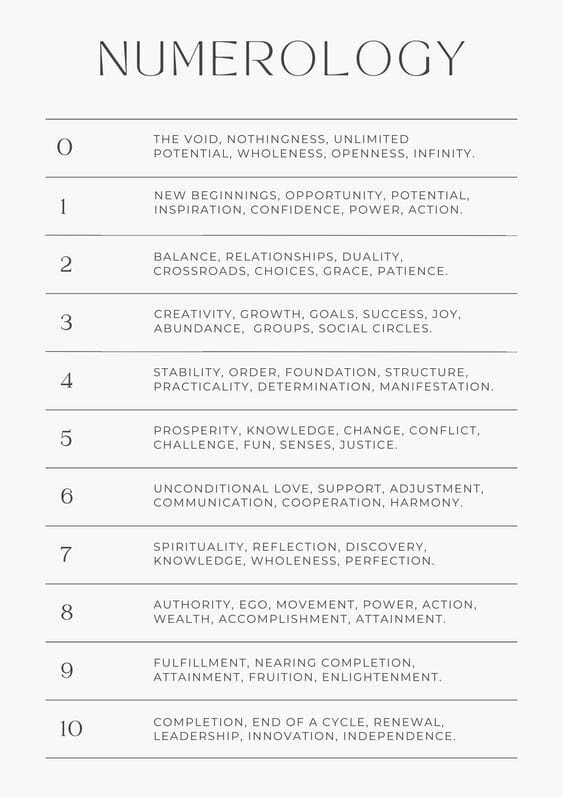
What if your birthdate held the key to unlocking your life’s purpose, your hidden talents, and your deepest desires? That’s the intriguing premise behind numerology, an ancient practice that uses numbers to reveal insights into your personality, relationships, and life path.

Numerology is based on the idea that numbers vibrate with unique energies that influence our lives. By understanding these vibrations, we can gain a deeper understanding of ourselves and the world around us.  

Understanding Numerology: A Brief Overview

Numerology has roots in various ancient civilizations, from the Babylonians and Egyptians to the Greeks. Pythagoras, the renowned Greek philosopher and mathematician, is often considered the “father of numerology.” He believed that numbers were the building blocks of the universe and held profound symbolic meanings.  

Today, numerology is a popular tool for self-discovery and personal growth. It offers a framework for understanding your strengths, weaknesses, and life purpose.  

Calculating Your Life Path Number

One of the most important calculations in numerology is your Life Path Number. This number, derived from your birthdate, reveals your innate talents, challenges, and overall life direction.

Here’s how to calculate it:

  1. Add up all the digits in your birthdate.
  2. Reduce the sum to a single digit by adding the digits together.
  3. If you end up with 11, 22, or 33, keep those as they are – these are Master Numbers.

Example:

Let’s say your birthday is December 20, 1988.

  1. 12 + 20 + 1988 = 12 + 2 + 0 + 1 + 9 + 8 + 8 = 50
  2. 5 + 0 = 5

Your Life Path Number is 5.

Deciphering Your Destiny Number

Another key number in your numerology chart is your Destiny Number, calculated using your full birth name. This number reflects your inner motivations, your goals, and the impact you’re destined to make on the world.

Here’s a simplified method for calculating your Destiny Number:

  1. Assign a number to each letter in your full birth name using the chart below:
    • 1 = A, J, S
    • 2 = B, K, T
    • 3 = C, L, U
    • 4 = D, M, V
    • 5 = E, N, W
    • 6 = F, O, X
    • 7 = G, P, Y
    • 8 = H, Q, Z
    • 9 = I, R
  2. Add up the numbers corresponding to each letter in your name.
  3. Reduce the sum to a single digit. Again, keep 11, 22, and 33 as Master Numbers.

Exploring Other Key Numbers

Beyond the Life Path and Destiny Numbers, numerology delves into other significant numbers, including:

  • Soul Urge Number: Reveals your inner desires and motivations.
  • Personality Number: Reflects how you present yourself to the world.

Together, these core numbers provide a comprehensive picture of your inner and outer self, offering insights into your strengths, challenges, and potential.

Understanding Master Numbers

Master Numbers (11, 22, 33) hold special significance in numerology. They represent heightened potential for spiritual growth, achievement, and leadership. People with Master Numbers often experience a more intense version of their corresponding single-digit energy.

Numerology: A Tool for Self-Reflection

While numerology may not have scientific backing, it offers a valuable framework for self-reflection and personal growth. By understanding your numerological profile, you can gain insights into your personality, relationships, and life purpose.

Ready to Dive Deeper?

This cheat sheet provides a basic introduction to numerology. To explore your numerology chart in more detail, consider consulting a professional numerologist or using online resources.

Numerology can be a fascinating tool for self-discovery. Whether you’re seeking clarity about your life path, your relationships, or your hidden talents, numerology can offer valuable insights and guidance.

Embark on a Journey to Self-Discovery: Uncover Your True Self

Quote of the day…

“Happiness is not something ready-made. It comes from your own actions.”

Dalai Lama

Have you ever paused to truly reflect on who you are, what drives you, and what you yearn for in life? Self-discovery is a lifelong journey of exploration, an expedition into the depths of your own heart and mind. It’s about peeling back the layers of expectations, societal norms, and past experiences to uncover the authentic self that lies within.

This journey requires courage, curiosity, and a willingness to dive deep. But the rewards are immeasurable: a deeper understanding of yourself, greater clarity about your purpose, and a more fulfilling life.

To guide you on this transformative quest, we’ve compiled a collection of insightful journaling prompts. Grab your journal, find a quiet space, and let these questions illuminate the path to self-discovery.

1. Understanding Your Identity: Who Are You, Really?

This first step involves delving into the core of your being, exploring the essence of who you are, separate from external influences.

  • Who am I when no one is around?
  • What personal qualities do I admire most about myself?
  • When do I feel most authentically myself?
  • What beliefs or values are fundamental to my identity? Where did they originate?
  • What childhood dreams have I carried into adulthood?
  • How would I describe myself in five words?
  • In what ways have I changed the most over the past five years?
  • What do I cherish most about my daily routine?

Reflecting on these questions can help you identify your core values, recognize your strengths, and acknowledge how you’ve evolved over time.

2. Exploring Your Passions and Purpose: What Ignites Your Soul?

This stage of the journey involves identifying what truly excites you, what gives your life meaning, and what contribution you want to make to the world.

  • What activities make me feel alive and energized?
  • If I could dedicate my life to one thing, what would it be?
  • What causes or issues resonate deeply with me?
  • Who are my role models, and what qualities do I admire in them?
  • How would I articulate my purpose in life?
  • When have I experienced the most profound sense of fulfillment?
  • If resources were no object, what kind of life would I create for myself?

By exploring these questions, you can uncover your passions, define your purpose, and start living a more meaningful life.

3. Facing Your Fears and Challenges: Overcoming Obstacles to Growth

This part of the journey requires courage and vulnerability as you confront your fears, acknowledge your limiting beliefs, and learn from past challenges.

  • What am I most afraid of, and why?
  • How do I typically respond to setbacks and challenges?
  • What limiting beliefs are hindering my growth?
  • How do I adapt to change?
  • What situations trigger feelings of insecurity, and why?
  • What would I attempt if I knew failure wasn’t an option?
  • How have past challenges shaped me and contributed to my personal growth?

Facing your fears and learning from setbacks can empower you to overcome obstacles and unlock your full potential.

4. Nurturing Relationships and Connections: Building Meaningful Bonds

This stage focuses on understanding your relationships with others, setting healthy boundaries, and cultivating deeper connections.

  • Who are the most important people in my life, and why?
  • How do I feel about my current relationships?
  • What qualities do I value most in a friend or partner?
  • How have my relationships shaped who I am today?
  • What boundaries do I need to establish to protect my well-being?
  • What am I willing to contribute to and receive from my relationships?
  • How do I feel about spending time alone?

Reflecting on these questions can help you foster healthier relationships and create a strong support system.

5. Defining Life Goals and Aspirations: Shaping Your Future

The final stage of this journey involves setting intentions for the future, defining your aspirations, and aligning your life with your dreams.

  • What are my top three goals in life right now?
  • How do I define success, and has that definition evolved over time?
  • Where do I envision myself in five years?
  • What legacy do I want to leave behind?
  • What’s one action I can take today that my future self will appreciate?
  • What’s one goal I’ve been postponing, and what’s preventing me from pursuing it?
  • How can I start living a life that’s in harmony with my dreams?

By setting clear goals and taking actionable steps, you can create a future that reflects your true desires and aspirations.

Embracing the Journey

Self-discovery is an ongoing process, a continuous unfolding of your true self. Embrace the journey with an open heart and mind. Be honest with yourself, allow your insights to guide you, and trust that the path will lead you to a more authentic and fulfilling life.

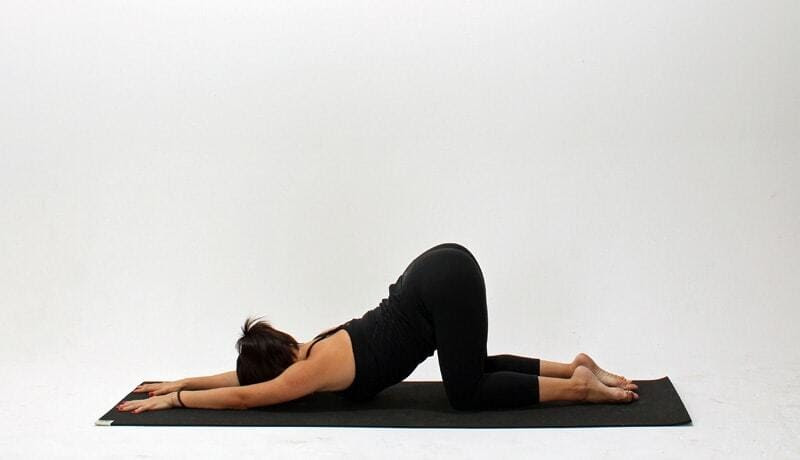
Extended Puppy Pose (Uttana Shishosana)

What is Extended Puppy Pose?
Extended puppy pose, or uttana shishosana in Sanskrit, gives a deep stretch to the spine. With the knees on the floor and hips lifted, the yogi walks the hands forward and lowers the chest toward the floor.
Instructions
Begin in tabletop pose with the knees hip distance wide.Exhale and walk the hands far forward, keeping them shoulder distance wide. Keep the hips over the knees.Release the chest toward the floor. If possible, rest the forehead on the floor.Breathe while holding the pose.

You can learn to be happy in any circumstances

You can learn to be happy in any circumstances
“The habit of being happy enables one to be freed, or largely freed, from the domination of outward conditions.”

– Robert Louis Stevenson

Happiness is everything and you deserve everything!

Feeling Stressed and Achy? Your Feet Might Hold the Key to Relief

Quote of the day…

“The only courage that matters is the kind that gets you from one moment to the next.”

Mignon McLaughlin

Imagine a therapy that not only soothes your tired feet but also melts away stress and promotes healing throughout your entire body. That’s the power of reflexology, an ancient practice that’s gaining popularity in the modern world.

Reflexology, with roots in Traditional Chinese Medicine, focuses on applying pressure to specific points on the feet, hands, or ears. These points, known as “reflex areas,” correspond to different organs and systems in the body. By stimulating these reflex areas, practitioners believe they can promote balance and harmony throughout the body.

How Does Reflexology Work?

Think of your feet as a microcosm of your body. Each reflex point is like a tiny button that, when pressed, sends a signal to the corresponding body part. This stimulation is believed to improve energy flow, release tension, and promote the body’s natural healing abilities.

The Benefits of Reflexology

Reflexology offers a wide range of benefits for both physical and mental well-being:

  • Stress Reduction and Relaxation: In today’s fast-paced world, stress is a common ailment. Reflexology helps calm the nervous system, reduce stress hormones, and induce a deep sense of relaxation.
  • Improved Circulation: By stimulating blood flow, reflexology helps deliver oxygen and nutrients to vital organs, promoting healing and detoxification.
  • Pain Relief: Reflexology can be an effective tool for managing chronic pain, particularly in conditions like arthritis, back pain, and headaches. It may also help alleviate discomfort from plantar fasciitis and carpal tunnel syndrome. The practice is believed to stimulate the release of endorphins, the body’s natural painkillers.
  • Enhanced Nerve Function: As we age, nerve endings can become less sensitive. Reflexology helps revitalize these nerve endings, improving their responsiveness and overall nerve function.
  • Support for Mental Health: Reflexology’s calming effects can help manage symptoms of anxiety and depression, promoting emotional balance and a sense of well-being.
  • Better Sleep Quality: If you struggle with insomnia or restless sleep, reflexology may offer a natural solution. By reducing stress and relaxing the body, it paves the way for deeper, more restorative sleep.

Is Reflexology Right for You?

While reflexology is generally safe for most people, there are some situations where it may not be suitable. It’s advisable to avoid reflexology during pregnancy or if you have certain foot conditions. If you have any concerns, consult with a healthcare professional before trying reflexology.

Take the First Step

Ready to experience the benefits of reflexology for yourself? Seek out a qualified reflexologist in your area. During a session, you’ll relax in a comfortable chair while the practitioner applies gentle pressure to specific points on your feet. Many people find reflexology deeply relaxing, and some even fall asleep during the treatment!

If you’re curious to learn more, explore resources like the Reflexology Association of America website. Your feet might just be the pathway to a healthier, more balanced you.