Balancing Bound Angle Pose (Dandayamna baddha konasana)

What is Balancing Bound Angle Pose?
Balancing bound angle pose, or dandayamna baddha konasana in Sanskrit, is a seated balancing posture that develops core strength and hip flexibility. From bound angle pose (also called butterfly pose) the practitioner grasps and lifts the feet to balance on the sitz bones.
Instructions
Begin in bound angle pose.Interlace the fingers around the feet and draw them toward the groin.Inhale and lift the feet high, balancing on the sitz bones. Keep the knees bent.Lengthen the spine and gaze toward the toes.Breathe while holding the pose.Exhale and release.

The Wisdom of Forgiveness: A Zen Master’s Tale

A fierce samurai, known for his fiery temper, approached a Zen master who was deeply immersed in meditation. “Tell me,” the samurai demanded, his voice booming, “the nature of heaven and hell.”

The Zen master, unfazed by the interruption, opened his eyes and calmly observed the samurai. “Why,” he replied, his voice measured and serene, “should I answer such a question from someone as rude and uncouth as yourself?”

Insulted, the samurai drew his sword in a flash of anger. “You dare speak to me in such a manner!” he roared.

The Zen master, remaining calm, simply stated, “That, my friend, is hell.”

The samurai froze, the sword hovering inches from the master’s head. He felt a surge of icy dread wash over him. His anger, he realized, had consumed him, clouding his judgment and driving him towards violence. He had created his own personal hell – a realm of rage, hatred, and self-destruction.

Tears welled up in the samurai’s eyes. He lowered his sword, shamefaced. “Thank you, Master,” he said, bowing deeply. “You have shown me the true nature of hell.”

The Zen master smiled gently. “And that,” he replied, “is heaven.”

This encounter serves as a powerful reminder that our inner peace and happiness are often determined by our own thoughts and actions. Anger, hatred, and self-destructive impulses can create our own personal hell, while compassion, understanding, and forgiveness can lead us to a state of inner peace and tranquility.

Forgiving Yourself: 5 Steps to Letting Go of Guilt

Quote of the day…

“In today’s rush, we all think too much, seek too much, want too much– and forget the joy of just being.” –

Eckhart Tolle

We all make mistakes. It’s part of the human experience. But sometimes, the weight of guilt and self-blame can feel overwhelming. This can lead to a cycle of negativity that can impact our self-esteem and overall well-being.

Forgiveness, however, isn’t about condoning your actions. It’s about acknowledging your mistakes, learning from them, and moving forward. Here are five steps to help you forgive yourself and let go of the past:

1. Decide to Forgive Yourself:

This is the first and most crucial step. Consciously choose to forgive yourself. Acknowledge that you are human, and that everyone makes mistakes.

  • Affirm your worth: Remind yourself that you are worthy of love and compassion, regardless of your past mistakes.
  • Release the burden: Give yourself permission to let go of the guilt and shame that are holding you back.

2. Understand That Self-Punishment is Not Redemption:

Dwelling on your mistakes and punishing yourself will not undo the past. In fact, it can hinder your growth and prevent you from moving forward.

  • Focus on learning and growth: Instead of dwelling on your failures, focus on what you can learn from them.
  • Take action: Take steps to make amends for your mistakes whenever possible.

3. Take Responsibility and Learn from Your Mistakes:

  • Acknowledge your role: Acknowledge your part in the situation without making excuses.
  • Identify areas for improvement: What can you do differently next time?
  • Focus on positive action: Take steps to improve yourself and make better choices in the future.

4. Celebrate Your Strengths and Accomplishments:

  • Shift your focus: Instead of dwelling on your failures, focus on your strengths and accomplishments.
  • Recognize your progress: Acknowledge the steps you’ve taken to grow and improve.

5. Remember You Are Human:

  • Embrace imperfection: Understand that making mistakes is part of the human experience.
  • Focus on self-compassion: Treat yourself with kindness and understanding.
  • Prioritize self-care: Engage in activities that nurture your mind, body, and soul.

Forgiving yourself is not easy, but it’s a crucial step towards healing and personal growth. By embracing self-compassion and focusing on learning and growth, you can break free from the cycle of guilt and move forward with a renewed sense of purpose and hope.

The Power of Gratitude: Cultivating Resilience Through Appreciation

Quote of the day…

“We must give more in order to get more. It is the generous giving of ourselves that produces the generous harvest.”

Orison Swett Marden

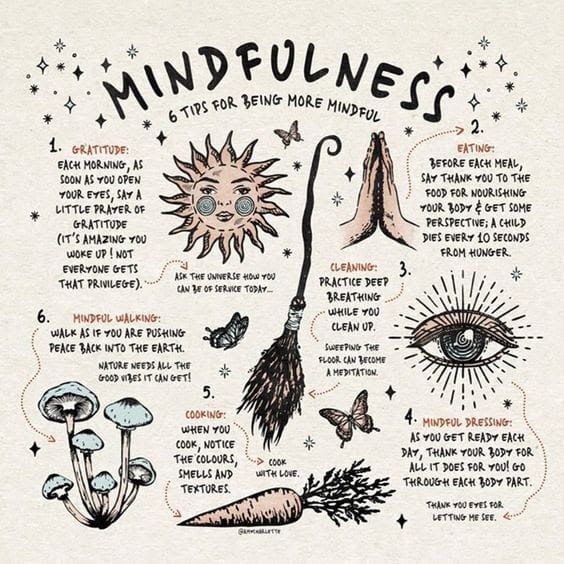
Gratitude is more than just politeness; it’s a powerful tool for cultivating inner strength and resilience. When we focus on the good in our lives, we shift our perspective, fostering a more positive and optimistic outlook.

How Gratitude Fosters Resilience:

  • Stress Reduction: Focusing on the positive aspects of our lives helps shift our attention away from stressors and anxieties.
  • Improved Mood: Gratitude triggers the release of feel-good hormones like dopamine and serotonin, which can elevate mood and reduce feelings of depression and anxiety.
  • Enhanced Self-Esteem: Recognizing and appreciating our own strengths and accomplishments boosts self-esteem and confidence.
  • Stronger Relationships: Expressing gratitude strengthens social bonds and deepens connections with others.
  • Increased Perspective: Focusing on what we are grateful for helps us appreciate the blessings in our lives and develop a more positive outlook on life’s challenges.

Simple Ways to Cultivate Gratitude:

  • Gratitude Journaling: Write down three things you are grateful for each day.
  • Expressing Appreciation: Take time to express your gratitude to others through words and actions.
  • Mindful Appreciation: Take a few moments each day to consciously appreciate the simple pleasures in life – the warmth of the sun, the taste of delicious food, the beauty of nature.
  • Random Acts of Kindness: Performing acts of kindness for others can increase feelings of gratitude and well-being.

By cultivating a consistent practice of gratitude, we can cultivate greater resilience, enhance our well-being, and live a more fulfilling and meaningful life.

Disclaimer: This information is for general knowledge and informational purposes only and does not constitute medical advice.

Taming the Overthinking Mind: Simple Strategies for Finding Peace

Quote of the day…

“If you want to conquer overthinking, bring your mind to the present moment and reconnect it with the immediate world.”

Amit Ray

Overthinking. We’ve all been there. That relentless cycle of anxious thoughts that keeps us up at night and drains our energy. But don’t worry, you’re not alone! And there are ways to break free from this mental loop.

Here are a few simple strategies to help you tame the overthinking mind:

1. Engage in Productive Distractions:

  • Shift your focus: When you notice yourself getting caught in a loop of negative thoughts, consciously shift your attention.
  • Find an engaging activity: Engage in activities that require your active attention, such as reading, painting, playing a sport, or spending time in nature.
  • Schedule distraction time: Dedicate specific times throughout the day for engaging activities to help prevent yourself from getting stuck in overthinking patterns.

2. Limit Screen Time:

  • Reduce information overload: Excessive social media use and constant news consumption can fuel anxiety and overthinking.
  • Unplug and recharge: Make an effort to disconnect from technology regularly.
  • Explore alternative activities: Engage in activities that don’t involve screens, such as reading a book, spending time in nature, or pursuing a hobby.

3. Explore Cognitive-Behavioral Therapy (CBT) Techniques:

  • Learn new coping mechanisms: CBT offers valuable tools for identifying and challenging negative thought patterns.
  • Find resources: Explore books, articles, or online resources that provide an introduction to CBT techniques.
  • Consider professional guidance: If you’re struggling with persistent overthinking, consider consulting with a therapist or counselor.

4. Seek Support from Others:

  • Share your concerns: Talking to a trusted friend or family member about your worries can provide a valuable perspective and offer emotional support.
  • Join a support group: Connecting with others who understand your struggles can provide a sense of community and shared understanding.

Remember, taming the overthinking mind is an ongoing process. Be patient with yourself, celebrate your progress, and don’t hesitate to seek support when needed.

Disclaimer: This information is for general knowledge and informational purposes only and does not constitute medical advice.