

“Gratitude makes sense of our past, brings peace for today, and creates a vision for tomorrow.”
Melody Beattie
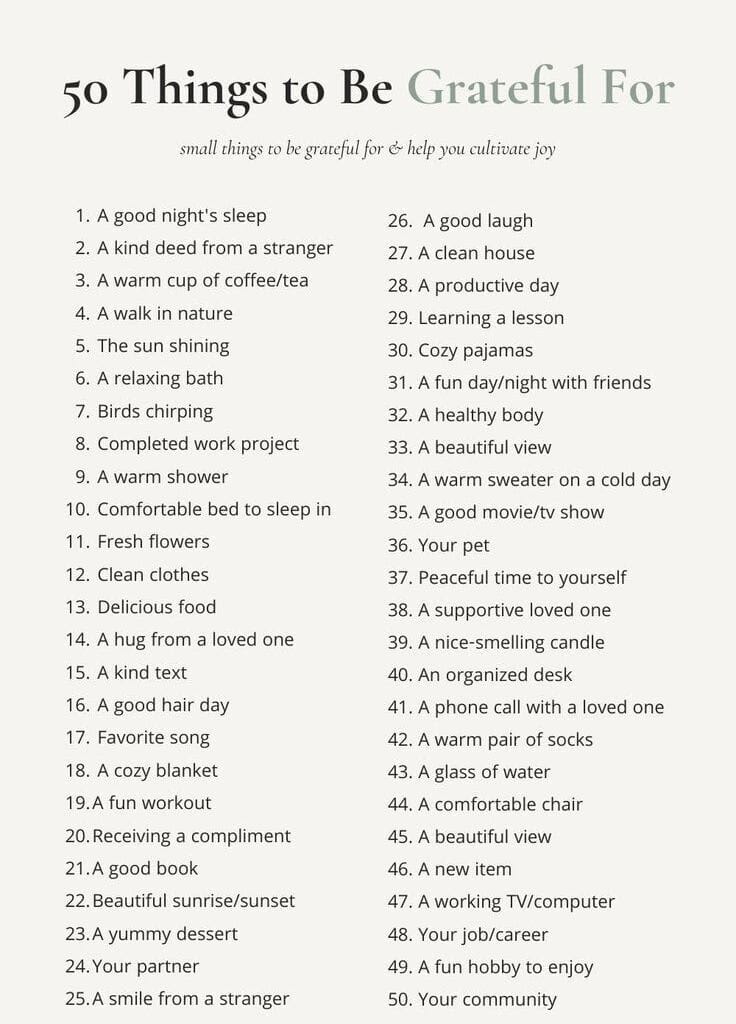
In our fast-paced, achievement-oriented world, a quiet revolution is taking place. A simple habit, accessible to all, is transforming lives and fostering a sense of interconnected joy: gratitude.
The Science of Gratitude
Gratitude isn’t just a feel-good emotion; it has a profound impact on our brains. Studies show that practicing gratitude activates the release of dopamine, a neurotransmitter associated with pleasure and reward. This creates a positive feedback loop, encouraging us to notice and appreciate even more good things in our lives.
The benefits of gratitude extend far beyond a momentary mood boost. Research links gratitude with:
- Reduced anxiety and depression
- Improved sleep quality
- Enhanced physical health
- Increased resilience in the face of stress
- Stronger relationships
- Greater overall well-being
By consistently focusing on what we’re thankful for, we train our brains to notice the positive, fostering a more optimistic and resilient outlook on life.
Gratitude Around the World
The practice of gratitude is taking root in various cultures around the globe:
- In Japan, the concept of “arigatai” reflects a deep appreciation for life’s blessings, big and small.
- Gratitude journals have become increasingly popular, allowing people to document their moments of joy and appreciation.
- Social media is abuzz with “gratitude challenges,” encouraging people to share what they’re thankful for.
- Workplaces and schools are incorporating gratitude practices to foster positive environments and strengthen relationships.
Cultivating Your Own Gratitude Practice
Ready to tap into the power of gratitude? Here are a few simple ways to get started:
- Keep a gratitude journal: Jot down three things you’re grateful for each day. These can be simple pleasures or significant blessings.
- Express appreciation directly: Take a moment to thank someone in person or through a heartfelt message.
- Reflect at day’s end: Before bed, recall a positive moment from your day.
- Practice mindful gratitude: When you experience joy or appreciation, pause to fully savor the feeling.
The Ripple Effect of Gratitude
Gratitude may start as a personal practice, but its effects ripple outwards, touching the lives of those around us and contributing to a more positive and connected world. By appreciating what we have, we cultivate a sense of abundance, generosity, and joy that spreads far beyond ourselves.
So, take a moment today to appreciate the good in your life. Whether it’s a warm cup of coffee, a supportive friend, or the beauty of nature, let gratitude fill your heart and inspire you to share that positivity with the world.

 Anna Godfrey