Quote of the day:
“As we work to create light for others, we naturally light our own way.”
Mary Anne Radmacher
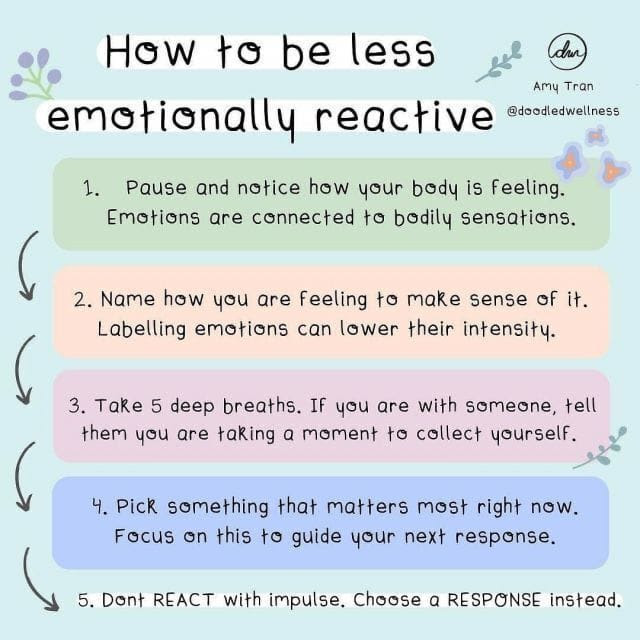
Do you find yourself easily triggered by minor inconveniences? Do you often feel overwhelmed by your emotions, leading to arguments and strained relationships? If so, you may be experiencing high emotional reactivity.
Recognizing the Signs of Emotional Reactivity:
- Overreacting to minor events: Feeling disproportionately upset or angry over small issues.
- Frequent outbursts: Experiencing sudden and intense emotional explosions.
- Difficulty controlling anger: Struggling to manage anger and frustration in a healthy way.
- Taking things personally: Feeling offended or hurt easily by the words or actions of others.
- Blaming others for your emotions: Attributing your negative emotions to external factors rather than taking responsibility for your own reactions.
Strategies for Reducing Emotional Reactivity:
- Pause Before Reacting:
- Practice mindfulness: Take a deep breath and observe your emotions without judgment.
- Count to ten: Give yourself time to calm down before responding.
- Ask yourself: “Is this reaction proportionate to the situation?”
- Identify Your Triggers:
- Observe your patterns: Pay attention to situations, people, or events that tend to trigger strong emotional reactions.
- Journal your emotions: Keeping a journal can help you identify recurring patterns and triggers.
- Seek professional help: A therapist can help you identify and address the root causes of your emotional reactivity.
- Practice Self-Compassion:
- Treat yourself with kindness: Acknowledge that everyone makes mistakes and that it’s okay to have difficult emotions.
- Focus on self-care: Prioritize activities that nourish your mind, body, and soul, such as exercise, mindfulness, and spending time in nature.
- Develop Healthy Communication Skills:
- “I” statements: Express your feelings and needs assertively using “I” statements (e.g., “I feel hurt when…” instead of “You always…”).
- Active listening: Practice active listening skills, such as paying attention, reflecting, and asking clarifying questions.
- Replenish Your Energy:
- Prioritize self-care: Make sure you’re getting enough sleep, eating a healthy diet, and engaging in regular physical activity.
- Reduce stress: Identify and minimize sources of stress in your life.
Remember, reducing emotional reactivity is an ongoing process. Be patient with yourself, celebrate your progress, and seek support when needed.
Disclaimer: This information is for general knowledge and informational purposes only and does not constitute medical advice. If you are struggling with significant emotional reactivity, please consult with a mental health professional.

 Anna Godfrey