“Do not suppress your emotions but channel them; they are powerful forces that, when harnessed, can fuel transformation, deepen understanding, and inspire creativity. Emotions are not meant to be silenced; they are meant to guide you toward your truest self.”
Emotions are powerful forces that shape our experiences, relationships, and overall well-being. While they can be incredible motivators, unmanaged emotions can also lead to conflict, stress, and even harm. Learning to channel your emotions effectively is a crucial skill for navigating life with greater ease and resilience.
Here’s how to harness the power of your emotions and turn them into constructive forces:
1. Identify and Acknowledge Your Feelings
The first step to channeling emotions is understanding what you’re feeling. Emotions can be complex and multi-layered. Anger might mask sadness, or anxiety might hide deeper insecurities. Take a moment to recognize your emotions without judgment.
Try these techniques:
- Name your emotions: Put a label on what you’re feeling – anger, joy, sadness, fear, etc. Studies show that simply naming an emotion can help reduce its intensity.
- Journal: Write down your feelings to gain clarity and identify patterns in your emotional responses.
- Talk it out: Sharing your emotions with a trusted friend, family member, or therapist can provide valuable perspective and support.
2. Practice Mindfulness and Breathing Techniques
Mindfulness helps you stay grounded in the present moment, preventing you from being swept away by the intensity of your emotions. When you feel overwhelmed, try deep breathing exercises like the 4-7-8 method:
- Inhale for 4 seconds.
- Hold for 7 seconds.
- Exhale for 8 seconds.
This technique calms your nervous system, creating space between the feeling and your reaction. This pause allows you to choose a more constructive response.
3. Find Healthy Outlets for Expression
Emotions need an outlet. Expressing your feelings through creative or physical activities can be incredibly cathartic.
Consider these options:
- Creative expression: Engage in art, writing, music, or dance to process emotions in a non-verbal way.
- Physical activity: Release pent-up energy through exercise, such as running, swimming, or yoga.
These outlets provide a healthy way to release emotions, preventing them from building up and causing harm.
4. Challenge Your Thoughts and Perspectives
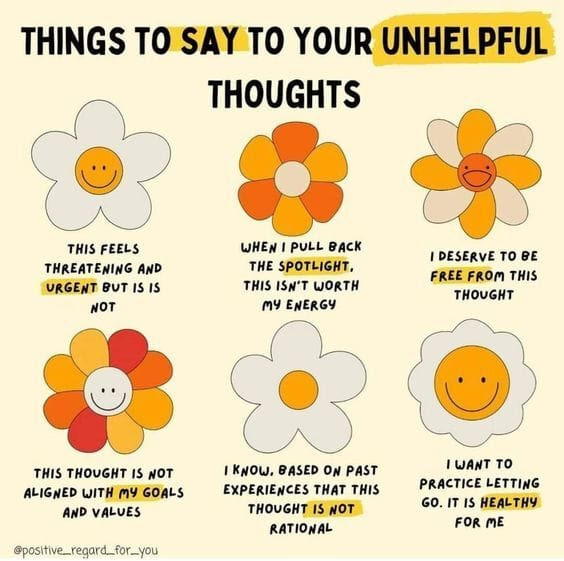
Sometimes, our emotions stem from inaccurate thoughts or assumptions. Challenge those thoughts by asking yourself:
- Is this thought really true?
- What evidence supports this thought?
- Is there another way to look at this situation?
Cognitive reframing, a technique used in therapy, involves examining situations from different angles to help you see things more objectively and defuse intense emotions.
5. Set Boundaries and Communicate Openly
In relationships, channeling emotions effectively requires clear and honest communication. Set healthy boundaries and express your feelings constructively using “I” statements (e.g., “I feel hurt when…”) instead of accusatory “you” statements. Open communication fosters understanding and empathy, leading to healthier interactions.
6. Reflect and Learn
After experiencing and channeling an emotion, take time to reflect on the experience. What worked well? What could you have done differently? This reflection helps you learn from your emotional responses and become more resilient in the face of future challenges.
By mastering these techniques, you can transform your relationship with your emotions. Instead of being controlled by them, you can learn to channel them effectively, leading to greater self-awareness, stronger relationships, and a more fulfilling life.

 Anna Godfrey