
“Everything can be taken from a man but…the last of the human freedoms– to choose one’s attitude in any given set of circumstances.”
Viktor Frankl
We all have that inner voice that loves to chime in with negativity, doubts, and fears. While negative thoughts are a normal part of life, letting them run rampant can wreak havoc on our mental and emotional well-being.
The good news? You can learn to control those negative thoughts and cultivate a more positive mindset. It’s not about ignoring challenges, but about reframing how you respond to them.
Here’s how to master the art of controlling negative thoughts:
1. Become a Thought Detective:
Pay close attention to your inner dialogue. What kinds of thoughts pop up most often? Identify patterns that trigger self-doubt, fear, or anxiety. Once you’re aware of these patterns, you can start to challenge their validity.
Ask yourself:
- Is this thought based on facts, or is it an assumption?
- What evidence supports this thought?
- Is there another way to look at this situation?
Often, our minds tend to exaggerate fears that lack concrete evidence.
2. Reframe Your Thoughts:
Instead of getting caught in a spiral of negativity, practice reframing your thoughts. For example, instead of thinking, “I’ll never succeed at this,” try shifting to, “I’m learning and growing, and every step brings me closer to my goal.”
Positive affirmations can be powerful tools to reinforce this positive mindset. Repeat affirmations like “I am capable,” or “I am worthy” to create a mental environment that nurtures resilience and self-belief.
3. Find Your Center with Mindfulness:
When negative thoughts threaten to overwhelm you, mindfulness techniques can help you regain control. Deep breathing exercises, meditation, or even a mindful walk in nature can ground you in the present moment, reducing overthinking and redirecting your energy towards constructive actions.
4. Cultivate a Positive Environment:
Surround yourself with positive influences. Spend time with supportive friends, engage with uplifting content, and participate in activities that bring you joy. These external factors can have a profound impact on your internal state, helping you maintain a more optimistic outlook, even during challenging times.
Remember, controlling negative thoughts is a skill that requires practice. Be patient with yourself, and celebrate your progress along the way. With consistent effort, you can transform your inner dialogue into a source of strength, resilience, and empowerment.


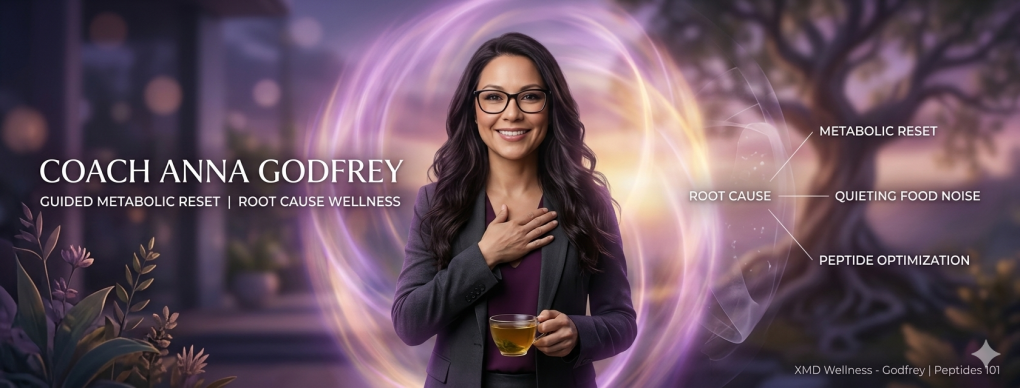
 Anna Godfrey