“Gratitude turns what we have into enough, and more. It turns denial into acceptance, chaos into order, confusion into clarity… it makes sense of our past, brings peace for today, and creates a vision for tomorrow.”
Melody Beattie
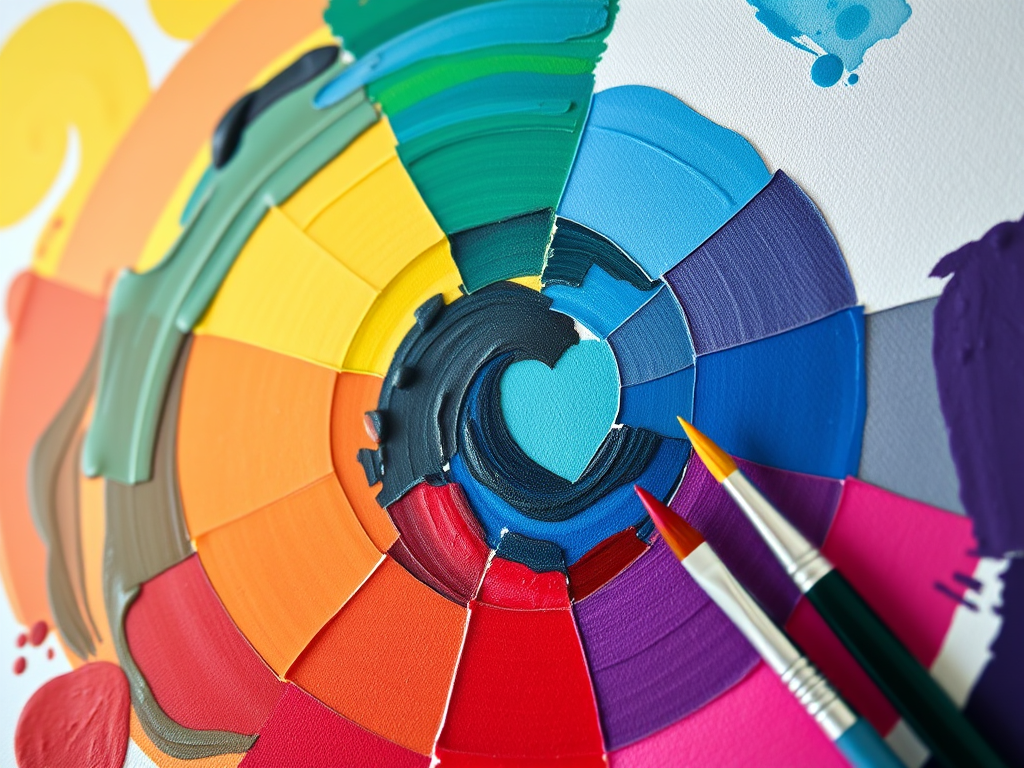
Ever noticed how colors can instantly shift your mood? A vibrant sunset can fill you with awe, while a calming blue sky brings a sense of peace. In art therapy, this powerful connection between color and emotion is harnessed to promote healing and self-discovery.
The Color Wheel of Emotions
Imagine a color wheel, but instead of just hues, it’s also a map of emotions. This concept, rooted in psychology, links specific colors to emotional states. Feeling angry? Red might be your go-to. Seeking tranquility? Blue might be the answer. Understanding these associations allows you to use color intentionally in your art therapy journey.
The Psychology of Color
Warm Colors (Red, Orange, Yellow): These vibrant hues are energizing and stimulating. They can evoke joy, excitement, and passion, but also anger or urgency. If you’re feeling down or lethargic, incorporating warm colors into your artwork can provide an emotional lift.
Cool Colors (Blue, Green, Purple): These calming tones promote relaxation and introspection. Blue often symbolizes peace and tranquility, while green represents growth and renewal. Purple, a blend of red and blue, can spark creativity and mystery. Cool colors are particularly helpful when you need to find calm amidst chaos.
Neutral Colors (Black, White, Gray): These grounding tones often symbolize balance and transition. White can represent purity and new beginnings, while black and gray might reflect introspection or a sense of grounding. Neutral colors are powerful allies when processing grief or exploring deep-seated emotions.
Art Therapy in Action
Art therapists often encourage individuals to choose colors that resonate with their current emotional state. Feeling anxious? Reach for soothing blues and greens. Feeling stuck? Experiment with dynamic yellows and oranges to spark movement and change.
Beyond simply choosing colors, exploring your emotional connection to them can be incredibly insightful. Ask yourself:
Why am I drawn to this particular shade?
What memories or feelings does this color evoke?
Tap into Your Inner Artist: A Practical Exercise
Try this simple art therapy exercise at home:
Tune in: Close your eyes, take a deep breath, and connect with your emotions. What are you feeling right now?
Choose your colors: Select colors that intuitively represent your current mood. Don’t overthink it!
Create: Using your chosen colors, create an abstract piece of art. Let your emotions guide your brushstrokes as you experiment with swirls, shapes, or lines.
Reflect: When you’re finished, step back and observe your creation. How does it reflect your inner state? Do the colors offer comfort or insight?
The Healing Power of Color
Colors are more than just visual elements; they’re emotional catalysts that can unlock hidden feelings and facilitate healing. Whether you’re painting your emotions, exploring a rainbow of feelings, or simply appreciating the beauty of nature’s palette, art therapy reminds us that color has a profound impact on our well-being.
So, grab your art supplies and let the color wheel of emotions guide you on a journey of self-discovery and emotional healing.

 Anna Godfrey